
Comprehensive Tree Care: Expert Services for Healthy, Safe Landscapes
Tree care services encompass removal, pruning, disease management, stump work, and emergency response to maintain safe, healthy trees and landscapes. This FAQ-style guide helps homeowners understand costs, timing, diagnosis, prevention, and what to expect from professional crews so they can make informed decisions and protect property value. Many property owners face uncertainty about pricing, when to call a certified arborist, and how to spot hazardous trees; this article explains the mechanics behind common services and presents practical checklists to act on. You will find clear cost ranges, diagnostic cues for local pests and diseases, seasonal pruning guidance, and step-by-step expectations for emergency response. Practical tables and actionable lists make comparisons simple and show how factors like tree size, accessibility, and health influence choices. For local homeowners seeking professional help, Henry’s Tree Service is a family-owned provider in Raleigh and Zebulon, NC offering free estimates, certified arborist assessments, Spanish-speaking support, insured operations, and 24/7 emergency tree service
—see their contact options for an on-site evaluation. The following sections break down common questions and the decisions that follow.
What Are the Typical Costs of Tree Removal and Trimming Services?
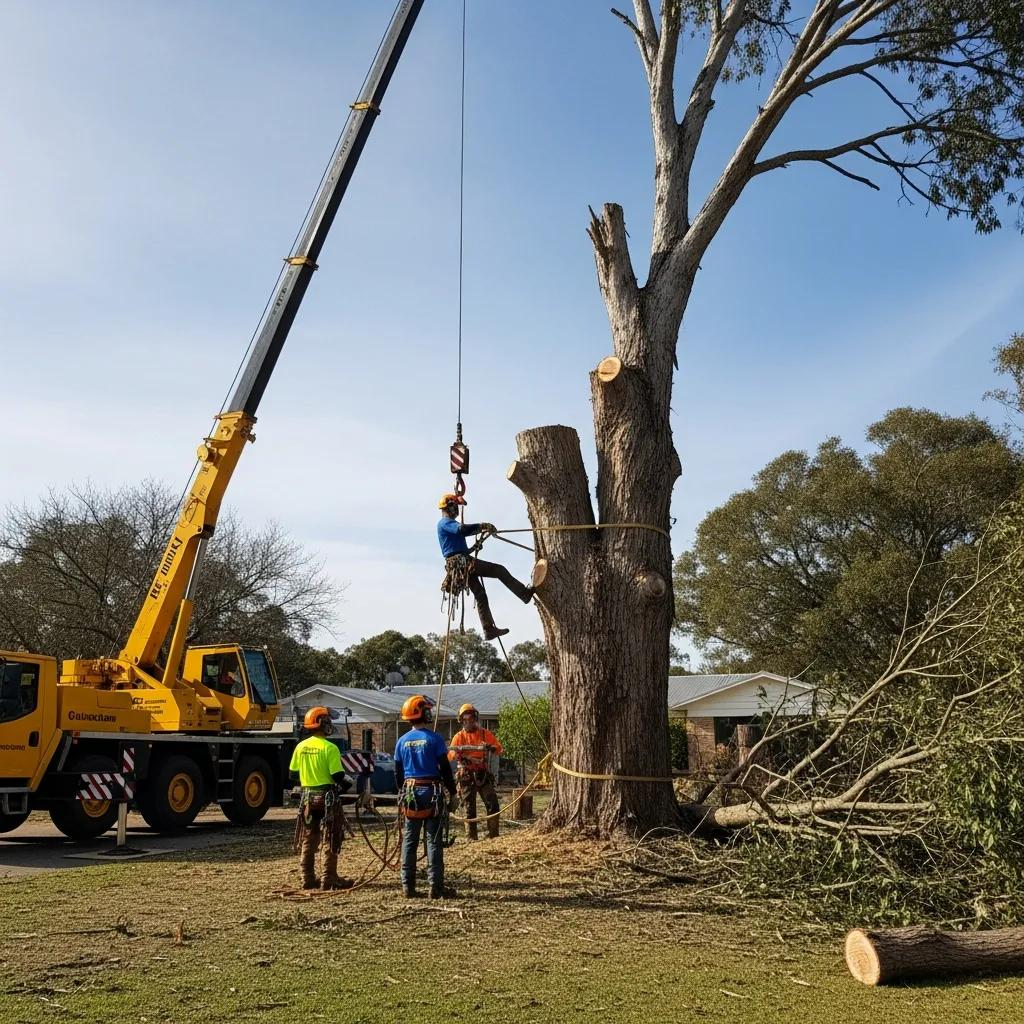
Tree removal and trimming costs vary because price is driven by measurable variables such as size, location, health, and required safety measures. In general, homeowners can expect modest trees to cost far less than large, hazardous specimens because labor, equipment, and disposal scale with trunk diameter and canopy spread. Understanding cost drivers helps homeowners evaluate written estimates that list tasks like rigging, crane use, debris hauling, and permit fees. Below is a concise comparative table to show typical service bands and the primary cost factors that influence quotes.
The table compares common service categories and the main variables that change price.
| Service Type | Cost Range (USD) | Cost Factors |
|---|---|---|
| Small tree removal (under 30 ft) | 150 – 1,000 | Size, yard access, crew time |
| Large tree removal (over 60 ft) | 800 – 3,000+ | Height, proximity to structures, equipment |
| Professional trimming/pruning | 150 – 1,000 | Tree type, density, pruning objective |
| Stump grinding | 75 – 600 | Stump diameter, depth, access |
| Emergency removal (after storms) | Variable, premium rates possible | Urgency, hazards, night work, stabilization |
This table highlights that height, access, and hazard level commonly explain most of the price variance in written estimates. When you review bids, check that line items clarify whether the price includes debris hauling, chip removal, permits, and stump treatment, because those items drive final costs.
Before getting quotes, consider common cost factors in simple list form and watch for red flags in low bids.
- Site accessibility can multiply labor hours and equipment needs.
- Proximity to structures or power lines requires additional rigging and safety measures.
- Tree health and decay influence whether removal is simple or requires staged work.
- Permits and municipal regulations may add direct costs and time to a project.
Understanding these factors prepares you to ask targeted estimator questions and avoid unexpectedly low bids that omit critical safety procedures or disposal fees. The next section breaks down tree removal cost drivers in more detail so you can compare scenarios.
How Much Does Tree Removal Cost and What Factors Affect Pricing?
Tree removal cost reflects a combination of physical measurements and risk mitigation steps: trunk diameter, total height, lean or decay, and workspace constraints directly determine labor and equipment needs. A straightforward example contrasts a small yard tree removed by a 2–3-person crew in a few hours versus a large specimen requiring cranes, extended rigging, and multi-day cleanup; the latter multiplies costs significantly. Critical pricing drivers include whether the tree is near a house or utility line, whether specialized rigging or traffic control is required, and whether a permit or arborist report is needed. Homeowners should request line-item estimates that list mobilization, rigging, cutting, hauling, stump work, and disposal to ensure apples-to-apples comparisons. Asking an estimator about insurance, municipal permitting, and contingency plans for hidden decay helps avoid surprise charges and supports safe decision-making.
How Much Does Professional Tree Trimming Cost?
Professional tree trimming costs vary by objective—routine crown maintenance is typically less intensive than structural pruning or large-scale canopy thinning—and depend on tree species, height, and density. For a single medium-sized shade tree, trimming often ranges from a few hundred dollars to around a thousand, while maintenance on several mature trees or specialized corrective pruning increases the scope and cost accordingly. Trimming that focuses on safety and long-term health (structural pruning, deadwooding) may involve more experienced crews and therefore higher rates, but it reduces risk and future failures. When comparing quotes, differentiate basic trimming from corrective pruning and ask whether the price includes debris removal and follow-up inspection, because those items affect total value and long-term tree health.
When and Why Should You Hire a Certified Arborist for Tree Care?
A certified arborist is a trained professional who assesses tree biology, structural integrity, and risk to recommend appropriate treatments, and hiring one ensures diagnostic accuracy and code-compliant action. Certified arborists apply arboriculture science to diagnose pests and diseases, prescribe targeted pruning or treatments, and provide documentation for permits or insurance claims. Their assessments reduce unnecessary removals and focus interventions that prolong tree life and lower long-term maintenance costs. Below is a short decision checklist that helps homeowners decide when to call an arborist versus scheduling routine trimming by landscape crews.
- Significant crown dieback, cracks, or root exposure indicates a need for professional assessment.
- Repeated pest outbreaks or unknown decline warrants diagnostic testing and treatment planning.
- Trees leaning toward structures, or that have sustained storm damage, require expert risk evaluation.
- When permits or complex removal logistics are likely, an arborist can provide required reports.
Hiring a certified arborist early often prevents escalation into hazardous failures and expensive emergency removals. After this explanation, the following subsections detail benefits and the typical assessment process so you know what an arborist delivers during a visit.
What Are the Benefits of Hiring a Certified Arborist?
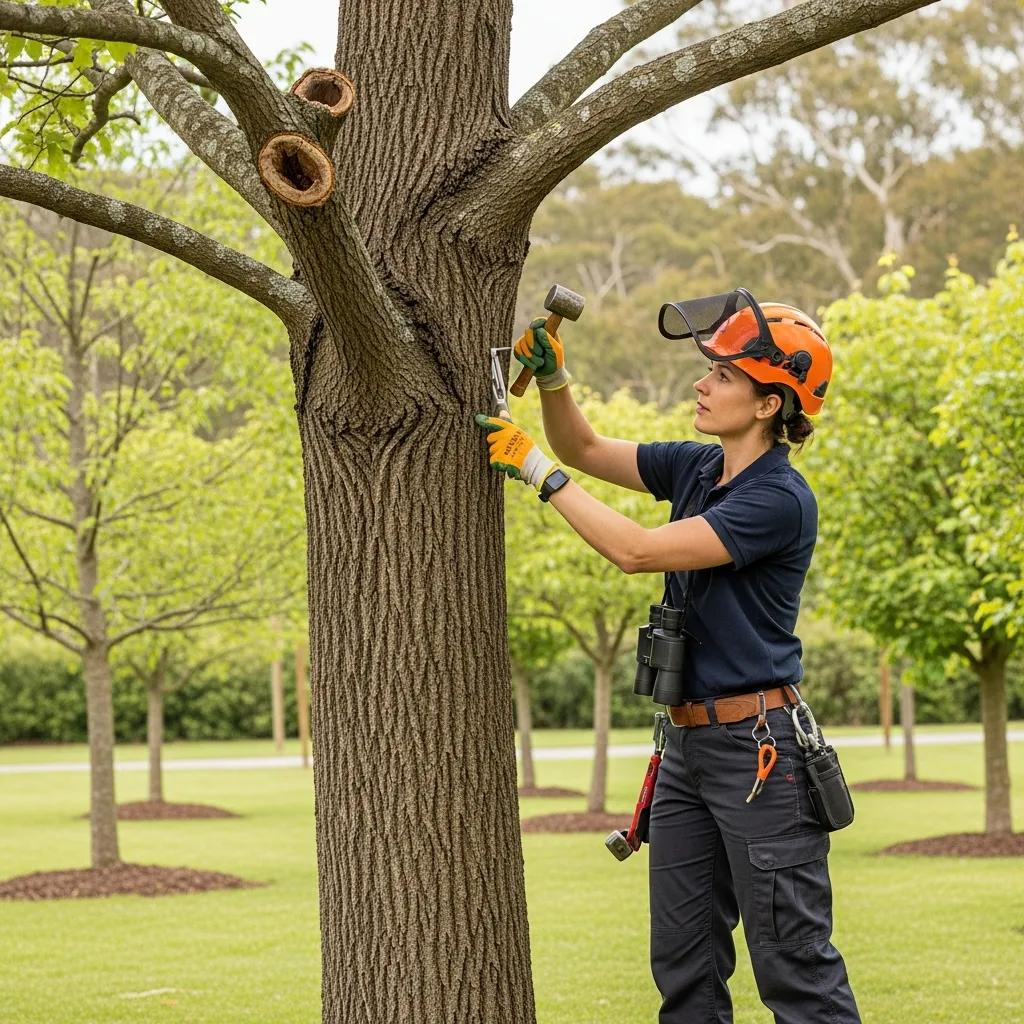
Certified arborists deliver measurable benefits that include improved safety practices, precise diagnosis, and informed long-term care plans tailored to species and site conditions. They apply industry standards to determine whether pruning will preserve structural integrity or whether removal is the safest option, reducing liability for the homeowner. Arborists also understand permit requirements and can produce reports to support municipal approvals and insurance claims, which streamlines complex projects. In practice, this expertise often saves money by avoiding inappropriate pruning methods and by recommending the most effective cultural controls and treatments to restore tree vigor.
How Does a Certified Arborist Assess Tree Health and Recommend Services?
An arborist assessment is a structured process: a visual crown inspection, trunk and root collar check, and evaluation of soil and site conditions to identify stressors and failure points. The arborist will look for indicators such as fungal fruiting bodies, hollowing, decay advance, pest boreholes, and root damage, and then map findings to recommended actions—prune, treat, or remove. Homeowners typically receive a concise written report or estimate that explains observed issues, proposed work, prioritized recommendations, and cost estimates for each option. This transparent documentation helps homeowners compare solutions and schedule follow-up care tailored to tree biology and property goals.
How Do You Identify and Manage Common Tree Diseases and Pests?
Identifying tree diseases and pests starts with observable symptoms—leaf discoloration, premature defoliation, cankers, boring dust, and dieback—and pairs those signs with immediate containment and longer-term cultural care. Early detection improves treatment success because many interventions are most effective before decay advances into structural failure. Below is a diagnostic table with common local examples, key symptoms, and recommended homeowner actions to guide first responses and when to escalate to professional intervention.
| Disease/Pest | Key Symptoms | Recommended Actions |
|---|---|---|
| Oak wilt | Rapid leaf browning and wilting in oaks | Isolate pruning, call arborist for testing, avoid pruning in late spring and summer |
| Emerald ash borer | D-shaped exit holes, canopy thinning in ash | Report sightings, remove severely infested trees, consult arborist |
| Anthracnose / foliar fungi | Irregular leaf blotches and premature defoliation | Rake diseased leaves, improve air circulation, consider fungicide |
| Root rot (Phytophthora) | Stunted growth, crown thinning, saturated soil | Improve drainage, reduce irrigation, consult arborist for soil testing |
This summary helps homeowners prioritize safety and containment while providing clear triggers for professional testing or treatment. Next, actionable prevention and treatment strategies reduce disease pressure and pest colonization over time.
What Are the Signs of Common Tree Diseases in Raleigh and Zebulon?
Local trees often show repeatable symptom patterns—oaks and elms may display sudden canopy wilt, while insects like borers produce sawdust-like frass and branch dieback—and recognizing these cues is the first step to mitigation. Homeowners should observe seasonal timing: sudden summer leaf wilt in oaks can indicate oak wilt, whereas progressive thinning over years may suggest chronic root or nutrient stress. Spotting conks or fungal fruiting bodies at the base indicates internal decay and often converts a preservation decision into a risk-management action. Early isolation, sample collection, and consulting extension resources or an ISA-certified professional improve diagnostic accuracy and treatment outcomes.
How Can Tree Diseases and Pests Be Prevented or Treated?
Prevention focuses on cultural practices that strengthen tree vigor: correct planting depth, mulch application without touching the trunk, appropriate watering schedules, and avoiding soil compaction around root zones. For treatments, selective pruning to remove infected tissue, targeted insecticide or systemic applications managed by professionals, and soil remediation are common interventions based on diagnosis. When decay compromises structural integrity or pests cause irreversible damage, removal becomes the recommended course to eliminate hazard and prevent spread. Maintaining a routine inspection schedule and enacting early cultural controls reduces the frequency and severity of outbreaks over time.
What Are the Best Practices and Timing for Tree Pruning and Trimming?
Proper pruning follows biological and mechanical principles to maintain structural integrity, reduce disease entry points, and direct growth; timing varies by species and flowering cycle. The goal of correct pruning is to remove dead or hazardous limbs, improve branch structure using the 3-cut method, and avoid topping or flush cuts that harm long-term health. Below is a seasonal guide and a short list of best practices to ensure pruning benefits tree health and property safety while minimizing stress.
- Prune most deciduous trees in the dormant season to reduce pest transmission and promote robust wound closure.
- Delay pruning spring-flowering trees until after bloom to preserve seasonal flowers and avoid removing next season’s buds.
- Use the 3-cut method for large limbs to prevent bark tearing and promote controlled removal.
- Avoid topping; instead, use selective reduction cuts and trained branch removal to maintain form.
Adhering to these best practices reduces the need for corrective pruning later and increases tree lifespan by minimizing opportunistic pathogens. The next subsections explain seasonal timing and the specific health benefits of correct pruning.
When Is the Best Time to Prune Different Types of Trees?
For most deciduous trees, dormant-season pruning reduces sap loss and stress while improving visibility for structural corrections, and it often leads to vigorous spring regrowth. Spring-flowering trees and shrubs require pruning after they bloom to preserve seasonal flowers and avoid removing the next season’s floral buds. Evergreens are generally pruned lightly in late winter or early spring, avoiding heavy cuts that leave large wounds during hot months. Emergency pruning for cracked or hazardous limbs should be performed immediately when safety is at risk, with follow-up assessments to plan restorative care. Matching timing to species and objectives maximizes physiological recovery and long-term form.
What Are the Benefits of Proper Tree Pruning for Tree Health?
Proper pruning enhances structural integrity by removing weak or competing branches, which decreases the likelihood of limb failure during storms and reduces property risk. It also promotes air circulation and light penetration into the crown, lowering disease incidence by reducing humidity and leaf wetness that favor fungal pathogens. Correct cuts stimulate compartmentalization and wound closure, increasing a tree’s ability to isolate decay and heal more effectively over time. Beyond health, structural pruning improves canopy symmetry and aesthetic value, which can raise landscape appeal and property value with lower long-term maintenance needs.
When Should You Call for Emergency Tree Services and What to Expect?
Emergency tree services are necessary when trees present immediate danger to people, property, or essential infrastructure; knowing how crews triage and operate helps homeowners respond safely and efficiently. Typical triggers include trees that have fallen on structures, trees leaning into power lines, or large limbs partially detached and unstable after storms. Initial homeowner steps are to evacuate the danger zone, avoid touching downed lines, and contact utilities if power lines are involved before calling a professional crew. Below is a checklist of emergency scenarios and a process overview of how a 24/7 response typically proceeds.
- A tree or large branch has fallen on a house, vehicle, or person and presents ongoing risk.
- A tree is leaning severely toward a structure with evidence of root uplift or trunk cracking.
- Large limbs are suspended and pose collapse risk onto high-traffic areas or access points.
- Storm-damaged trees are blocking roads or creating unsafe access to the property.
Knowing these criteria helps you prioritize calls and preserve safety until professionals arrive. The following subsections describe specific situations and the stepwise emergency removal process.
What Situations Require 24/7 Emergency Tree Service?
Immediate professional response is required when a tree or limb threatens life or critical property—examples include trees down on homes, vehicles trapped beneath fallen trunks, or large limbs hanging over occupied spaces. If a tree contacts power lines, utilities should be notified first and the area kept clear because electrocution risk is high; professional crews coordinate with utility providers for safe resolution. Other urgent scenarios include trees that have lost significant root support after flooding or that are actively splitting and could topple. Rapid triage prioritizes stabilization to prevent secondary damage and secures the scene before full removal begins.
What Is the Process During Emergency Tree Removal?
Emergency crews begin with a safety assessment and scene stabilization, isolating hazardous zones, shoring unstable sections, and communicating a staged removal plan to homeowners. Stabilization may involve bracing or strategic cuts to prevent uncontrolled collapse, followed by sequential removal from the top down using rigging and, if necessary, crane support for large or difficult loads. Debris is managed during removal—crews typically chip and haul material based on the scope agreed upon—followed by a final safety sweep and recommendations for follow-up treatments or stump work. Asking crews about their insurance coverage, permit needs, and post-job cleanup expectations helps ensure clear responsibilities and reduces surprises.
For urgent local response, Henry’s Tree Service emphasizes 24/7 emergency capability and insured operations as a resource homeowners can consider when facing immediate hazards. Their on-call teams provide stabilization and removal options and can arrange certified arborist assessments as part of follow-up care.
What Are the Options and Benefits of Stump Grinding Versus Removal?
Stump grinding and full stump/root removal are distinct services with different site impacts, costs, and timelines; choosing between them depends on landscape goals, replanting plans, and root spread. Stump grinding machines reduce the visible stump to wood chips and compacted grindings, leaving roots in place to decompose organically and allowing quick replanting with minimal soil disturbance. Full stump removal excavates roots and soil, which is more intrusive and costly but necessary when roots interfere with foundations, utilities, or new construction. The table below compares these options across time, cost, impact, and replanting readiness to help homeowners decide.
| Option | Attribute (Time/Cost/Impact/Replanting) | Typical Outcome |
|---|---|---|
| Stump grinding | Faster, lower cost, minimal soil disturbance | Site cleared quickly; roots left to decompose |
| Stump removal | Slower, higher cost, significant soil disruption | Roots removed; immediate replanting/construction possible |
| Chemical stump treatment | Low cost, long timeframe, less labor | Stump decomposes over months; avoids heavy equipment |
This comparison shows stump grinding is often the pragmatic choice for most residential properties unless root removal is required for construction or invasive root systems exist. The next subsections explain the technical differences and why grinding is often preferred.
What Is the Difference Between Stump Grinding and Stump Removal?
Stump grinding mechanically reduces a stump to wood chips using a rotating cutter, leaving roots below grade and minimal soil excavation, whereas full stump removal excavates the stump and roots, often requiring heavy machinery and backfilling. Grinding is typically faster, less disruptive to surrounding plantings, and more cost-effective for homeowners who want to reclaim the surface area. Removal eliminates root systems that could resprout or interfere with foundations but increases disturbance, labor, and restoration needs. Choosing between methods depends on future landscape plans, underground utilities, and whether root structures present ongoing hazards.
Why Is Stump Grinding Often Preferred for Residential Properties?
Homeowners prefer stump grinding because it balances cost, speed, and low landscape impact: grinding clears the visible stump quickly, produces mulch that can be reused, and leaves the site ready for light replanting after settling. It reduces trip hazards and eliminates the need to contend with mowing around a stump while avoiding the heavy soil disruption and high expense of full removal. Full removal is still necessary when roots are invasive, when underground utilities or structures must be protected, or when immediate construction requires a fully cleared root zone. In many residential cases, grinding provides the quickest route to a usable yard with minimal restoration work.
For additional help with estimates, certified arborist assessments, Spanish-speaking support, or 24/7 emergency response in the Raleigh and Zebulon area, consider contacting a local family-owned provider that offers these services and free estimates as part of their service offerings.