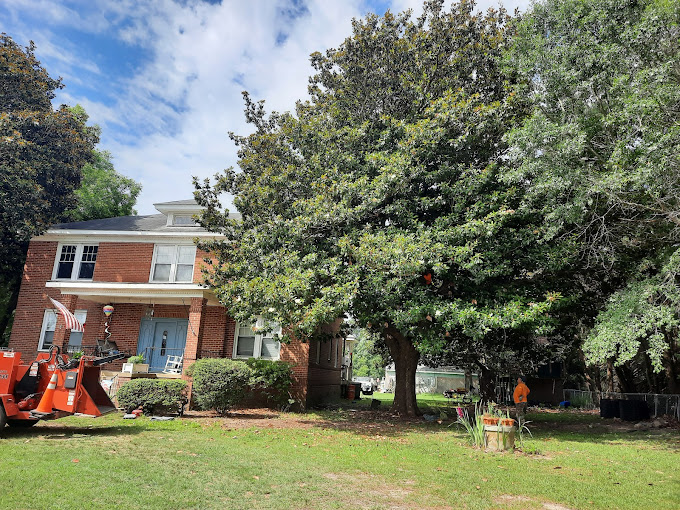
Expert Tree Care Services in Raleigh & Zebulon, NC
Henry’s Tree Service provides professional tree care across Raleigh and Zebulon with an emphasis on safe, insured tree removal, expert pruning, and rapid emergency response. This guide explains how professional arboriculture services work, what homeowners should expect for removal and stump work, and when to call an emergency crew. Readers will learn practical cost factors, the step-by-step removal process, stump grinding outcomes versus full removal, and how pruning and health assessments extend tree longevity. We also map out clear triggers for 24/7 emergency response and describe on-site safety protocols to protect people and property. Throughout, local keywords like raleigh tree service, tree removal raleigh, and stump grinding raleigh nc are used to connect homeowners to regional considerations and permit realities. Finally, the article notes how Henry’s Tree Service integrates certified arborist assessments, free estimates, Spanish-speaking support, and 24/7 emergency availability as part of a homeowner-focused approach.
Why Choose Henry's Tree Service for Tree Care in Raleigh and Zebulon?
Choosing a professional tree care provider starts with understanding core value propositions: reliable safety practices, certified assessments, and community-focused service that reduce long-term risk. Professional tree care mitigates hazards by combining arborist diagnosis with technical removal and pruning techniques, which preserves desirable trees and eliminates dangerous ones for better property safety. For homeowners in Raleigh and Zebulon, these services improve landscape health, reduce liability, and protect structures from storm-related failures. The next sections unpack the trust signals and technical skills that distinguish quality providers and explain how certified arborists and family-owned operations impact service outcomes for local properties.
What Makes Henry's a Trusted Family-Owned Tree Service Since 1998?
Family-owned operations often emphasize continuity of care, local knowledge, and accountability, which transfers into consistent service quality for homeowners. As a locally rooted provider operating in Raleigh and Zebulon, Henry’s Tree Service is described in public listings as family-owned and focused on community needs, offering free estimates and competitive pricing as part of customer-centered practices. Insured operations reduce homeowner exposure to liability during complex removals, and the presence of certified arborists signals adherence to professional standards for diagnosis and treatment. This local, experienced posture fosters trust while allowing crews to prioritize safe execution and cleanup, and it naturally leads into how certified arborists structure technical evaluations and work plans.
How Do Certified Arborists Ensure Safe and Efficient Tree Services?

A certified arborist begins by assessing tree health, structure, and surrounding risks, which defines whether pruning, treatment, or removal is the correct course of action. Arborists apply industry standards for pruning cuts, load-bearing assessments, and rigging plans, using mechanical and cultural controls to reduce damage to remaining vegetation and nearby structures. By matching the right equipment, rigging technique, and crew size to each job, arborists reduce unexpected complications and speed safe completion. Understanding arborist-driven safety and planning helps homeowners appreciate why professional assessments are central to long-term tree care and leads into the specific removal services available locally.
Professional Tree Risk Assessment Methodologies for Property Owners
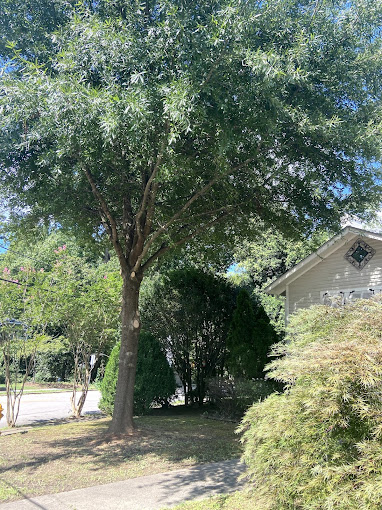
All trees present a degree of risk to adjacent individuals, infrastructure, and utility systems. As trees mature or are compromised by pests, pathogens, or other environmental stressors, property owners or managers may be required to determine their acceptable risk tolerance and necessary mitigation strategies. Professional arborists can facilitate this decision-making process through comprehensive risk assessments that delineate the probability of complete or partial tree structural failure, the potential ramifications of such an event, and the likely targets impacted.
Tree risk assessment methods: A comparison of three common evaluation forms: ENH1226/EP487, 11/2013, AK Koeser, 2013
What Tree Removal Services Does Henry's Offer in Raleigh and Zebulon?
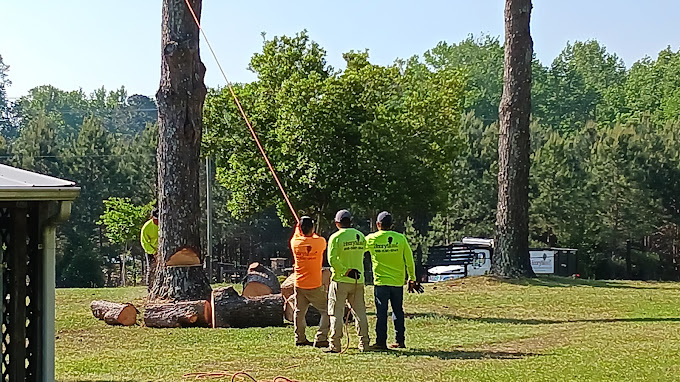
Tree removal covers a range of scenarios from hazardous single-tree extractions to lot clearing for redevelopment, each requiring distinct methods, timelines, and safety measures. In Raleigh and Zebulon, professional removal services include hazardous tree removal, large tree removal, storm-damage tree removal, diseased tree extraction, and lot clearing; each service begins with an arborist assessment to define risk and logistics before execution. The removal workflow follows a predictable process—site assessment, planning and permits if required, safe dismantling with rigging and equipment, and thorough cleanup or recycling of debris. Homeowners benefit from understanding these steps because predictable planning reduces cost surprises and accelerates safe project completion.
Which Types of Tree Removal Can Henry's Handle?
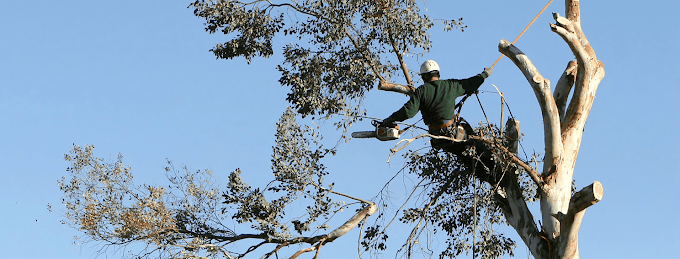
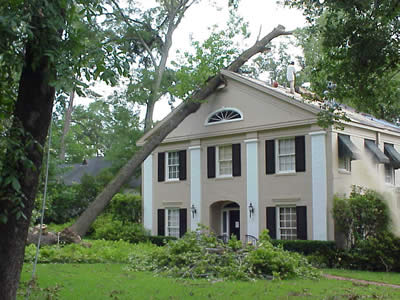
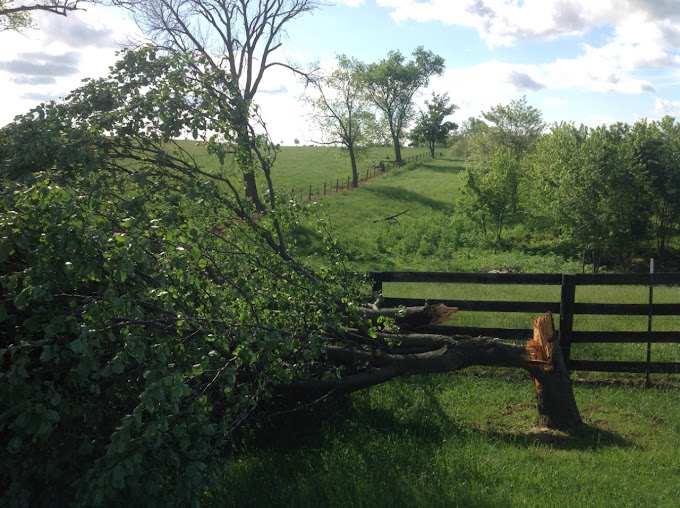
Different removal scenarios demand different tactics: hazardous tree removal targets immediate risk elements such as cracked trunks or uprooting, while large tree removal emphasizes sectional dismantling to protect nearby structures. Storm-damage removal prioritizes rapid risk reduction and access restoration, often involving crew triage and specialized rigging to remove unstable limbs safely. Diseased tree extraction requires careful disposal to reduce pathogen spread and may include targeted pruning or stump grinding afterward to prevent regrowth. Recognizing these categories helps homeowners choose the right service and prepares them for the access and equipment requirements a safe removal will necessitate.
How Is the Tree Removal Process Conducted Safely and Efficiently?
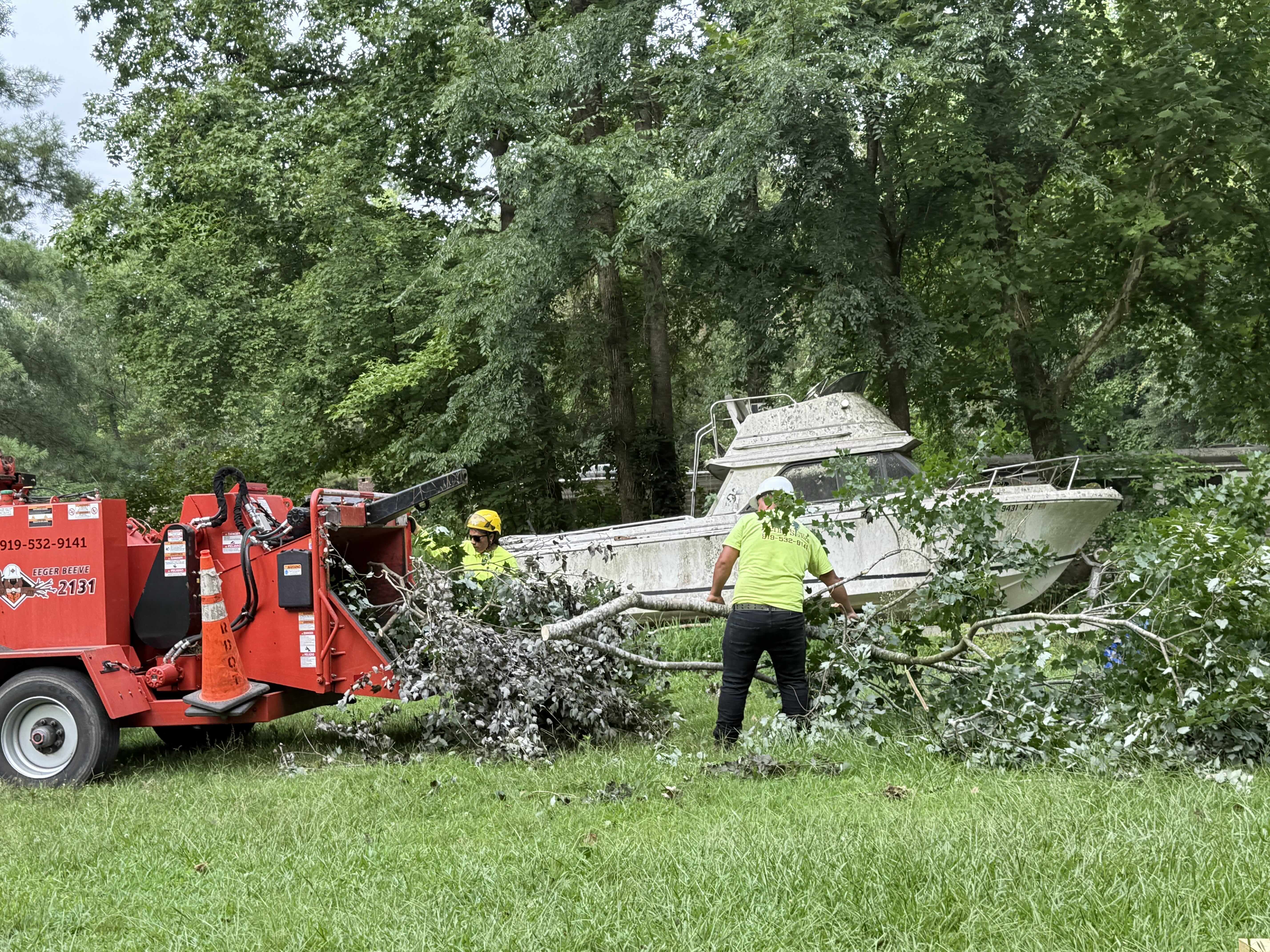
Professional removal proceeds through defined stages that prioritize safety: initial arborist assessment, written plan including any permit needs, staged removal with rigging and sectional lowering, and final cleanup or recycling of wood chips and logs. Crews use safety rigging, cranes or aerial lifts where necessary, and exclusion zones to protect people and property while following insured, certified practices. Efficient removals balance speed with risk mitigation by staging equipment and sequencing cuts so that load paths remain controlled and predictable. Transparent communication during planning also reduces surprises for neighbors and property owners and naturally transitions into cost factors that influence each job.
Different types of removal vary by complexity, timeline, and safety concerns; the table below compares common removal types to help homeowners judge what to expect.
| Removal Type | Typical Complexity | Typical Timeline | Safety Considerations |
|---|---|---|---|
| Hazardous tree removal | High — unstable structure | Same-day to a few days | Exclusion zones, rigging, insured crew |
| Large tree removal | High — sectional dismantling | 1–3 days depending on size | Crane/lift use, traffic control, neighbor protection |
| Storm-damage removal | Variable — urgent triage | Hours to days for emergency response | Rapid assessment, temporary shoring, utility coordination |
| Diseased tree extraction | Moderate — containment needed | 1 day to schedule | Pathogen containment, proper disposal, stump treatment |
What Factors Influence Tree Removal Costs in Raleigh and Zebulon?
Cost estimation depends on a handful of primary drivers that determine labor, equipment, and disposal needs, and understanding these helps homeowners compare quotes sensibly. The most influential factors are tree size and height, accessibility and site complexity, species and health condition, proximity to structures and utilities, and whether permits or stump grinding are required. Costs rise when removals need specialized equipment, lane closures, or extensive cleanup; conversely, simple backyard removals with clear access are less expensive. Recognizing these factors enables homeowners to prioritize interventions and ask targeted questions during free estimate visits, which sets up a transparent discussion about options like grinding versus full stump removal.
The following list ranks the key cost drivers and explains their impact.
- Tree size and height: Larger trees require more labor, longer rigging operations, and heavier equipment.
- Accessibility and site conditions: Limited access or obstacles increase time and complexity for crews.
- Species and health: Diseased or brittle wood can make removals riskier and more time-consuming.
- Proximity to structures/utilities: Close structures require sectional dismantling and stricter safety controls.
- Permits and disposal: Local permit needs and debris disposal options add administrative or disposal costs.
Understanding these drivers helps homeowners interpret estimates and decide whether to combine services like stump grinding or lot clearing to save on mobilization and disposal fees. The next section examines stump grinding benefits and the trade-offs relative to full stump removal.
How Can Henry's Stump Grinding Services Improve Your Property?

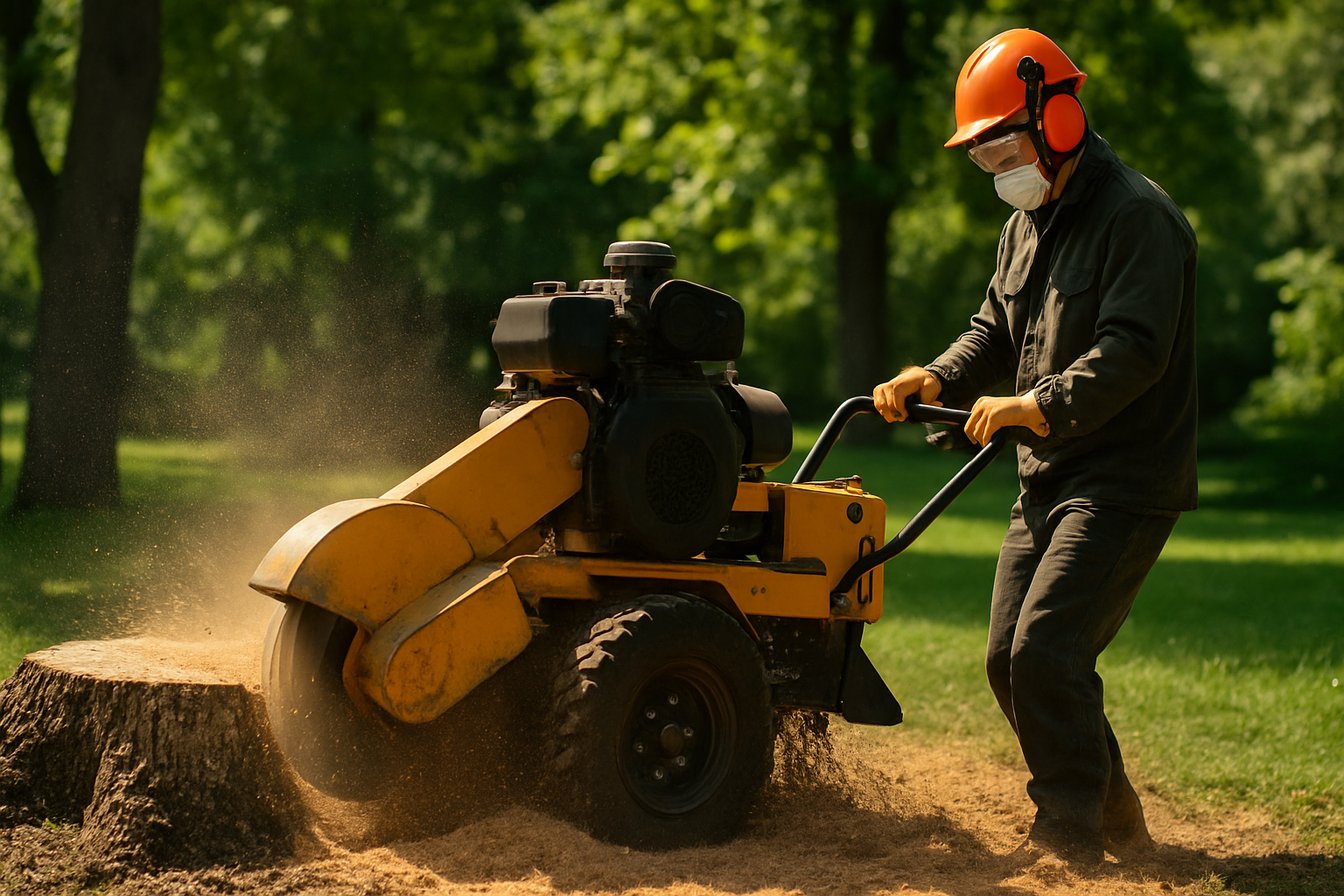
Stump grinding removes the above-ground portion of a cut tree using specialized grinding machines, which reduces trip hazards and prepares the site for replanting without extensive excavation. The mechanism—mechanical grinding of the stump and major roots—minimizes soil disturbance while producing mulch that can be reused on-site, yielding better aesthetics and reduced pest habitat. Professional stump grinding speeds landscape restoration, reduces opportunities for regrowth, and supports safe yard use compared with leaving stumps in place. Homeowners considering replanting or improving curb appeal benefit from understanding how grinding compares to full stump removal, which informs cost-benefit decisions and sequencing with other landscape work.
What Are the Benefits of Professional Stump Grinding?
Professional stump grinding delivers practical outcomes that improve safety and long-term landscape planning, and trained crews use PTO-driven or self-propelled grinders to ensure controlled removal. Grinding eliminates trip hazards and unsightly stumps, produces mulch that can enrich planting beds, and prevents root sprout regrowth that can create future maintenance burdens. By removing the visible stump to several inches below grade, grinding prepares the area for quick replanting or lawn restoration without the heavier excavation associated with full removal. For homeowners weighing options, these benefits often make stump grinding the most cost-effective and least disruptive choice.
Key benefits of stump grinding include:
- Improved safety: Eliminates trip hazards for people and equipment.
- Better aesthetics: Removes unsightly stumps and opens space for landscaping.
- Pest and disease reduction: Decreases habitat for wood-boring pests and fungal spread.
- Faster replanting readiness: Ground stumps allow quicker soil preparation for new trees or turf.
Taken together, these benefits explain why many homeowners opt for grinding after removal rather than leaving stumps in place, and the next subsection contrasts grinding with full stump removal for deeper decision-making.
How Does Stump Grinding Compare to Stump Removal?
Stump grinding and stump removal solve the same problem with different trade-offs: grinding is faster, less invasive, and generally less expensive, while full removal extracts the entire root plate and requires excavation. Grinding typically takes less time, disturbs the surface soil minimally, and leaves mulch debris that can be redistributed; full removal requires heavy equipment, leaves a pit requiring fill, and is chosen when root removal is necessary for construction or utilities. Cost, landscape disturbance, replanting readiness, and site use determine which method is appropriate. For most residential yards preparing for replanting or improved aesthetics, grinding offers a balanced outcome that preserves soil structure and reduces cost.
| Method | Cost Factors | Time Required | Landscape Impact |
|---|---|---|---|
| Stump grinding | Grinder size, stump diameter | Hours | Low — surface mulch, minimal excavation |
| Stump removal | Excavator access, root mass | Half day to multi-day | High — soil disturbance, pit to fill |
| Hybrid (grind + root removal) | Combination of above | 1–2 days | Moderate — targeted root excavation |
This comparison helps homeowners choose a method that matches their project goals and budget, linking naturally to emergency scenarios where fast grinding may be useful after urgent removals.
When Should You Use Henry's 24/7 Emergency Tree Service in Raleigh and Zebulon?
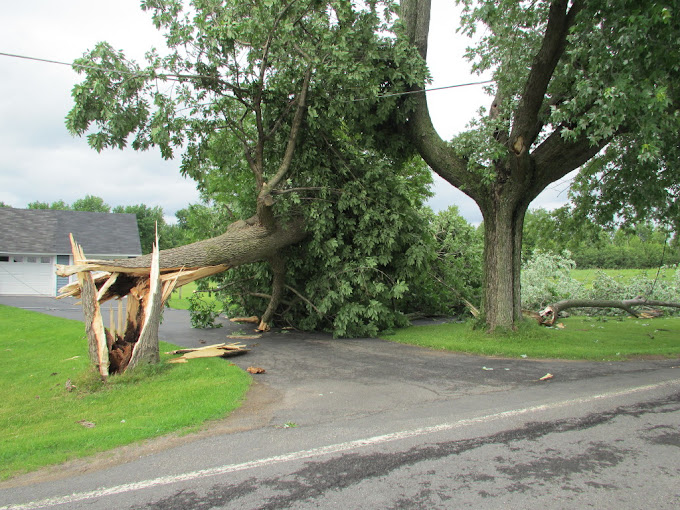
Emergency tree service addresses immediate hazards that threaten safety, access, or utilities, and rapid professional response reduces risk of injury and additional property damage. Typical triggers include storm-related impacts, falling limbs blocking driveways, severely leaning trees near structures, or broken limbs in contact with power lines; a prompt, insured, certified crew can triage and stabilize the situation. Emergency protocols prioritize human safety first, then property stabilization and debris removal, using rigging and traffic control as necessary. The next paragraphs outline common emergency triggers, homeowner safety steps, and what to expect during an emergency dispatch.
Use Henry’s 24/7 emergency service in these situations:
- Storm damage with large limbs down: Fallen limbs that threaten people or vehicles require immediate removal.
- A leaning or uprooted tree near structures: Trees that are unstable and close to homes need fast assessment and stabilization.
- A tree or large branch blocking access: Driveways or exits obstructed by debris create safety and egress problems.
- Broken limbs contacting utility lines: Any wood contacting utilities demands coordinated, insured response.
How Does Henry's Respond to Storm Damage and Urgent Tree Removal Needs?
Emergency response begins with intake and priority assessment to determine immediate hazards and required resources, which allows crews to dispatch based on urgency and safety needs. A rapid on-site triage assesses structural stability, potential utility involvement, and access limitations before crews establish exclusion zones and deploy specialized equipment. Where necessary, crews coordinate with local utilities to manage live wires and follow insured safety protocols, then proceed with staged removal or stabilization while communicating next steps to homeowners. Understanding this response sequence helps property owners prepare information at intake and anticipate the timeline for mitigation and cleanup.
What Safety Measures Are Taken During Emergency Tree Services?
Emergency crews follow strict safety protocols to protect people and property: establishing exclusion zones, using personal protective equipment, employing certified rigging techniques, and coordinating traffic control where needed. Insured crews apply structured risk assessments and adhere to arboricultural standards to avoid secondary failures during removal, and they use mechanical advantage or cranes only when required by site conditions. Communication with utility providers and local authorities is part of coordinated response whenever power lines or public ways are involved, limiting liability and ensuring safe restoration of access. These measures reduce the chance of further damage and set the stage for subsequent pruning, grinding, or replanting work.
How Does Henry's Tree Pruning and Health Assessment Support Tree Longevity?
Pruning and health assessments extend the useful life of trees by addressing structural defects, improving canopy architecture, and identifying disease or pest issues early so that targeted treatments can reduce decline. Regular assessments by a certified arborist identify codominant stems, included bark, and decay that increase failure risk and guide corrective pruning to improve structural integrity. Pruning objectives include safety (removing hazards), structure (guiding growth), health (removing deadwood and diseased branches), and aesthetics (improving form), each informed by species-specific considerations. The next subsections describe common local disease signs to watch for and clear triggers for scheduling an arborist consultation.
What Are the Signs of Common Tree Diseases in Raleigh and Zebulon?
Homeowners should watch for specific symptoms that suggest disease or decline: progressive leaf discoloration or premature leaf drop, dieback of branch tips, visible fungal fruiting bodies on trunks, or oozing sap indicating internal decay. While symptoms suggest probable causes like root rot, canker, or vascular disease, definitive diagnosis requires an arborist assessment that may include sampling or root zone inspection. Early detection enables targeted interventions—such as pruning, improved site drainage, or mulching adjustments—that limit spread and improve recovery chances. Recognizing these signs early is the best pathway to arranging a timely certified arborist consultation.
When Should You Schedule a Certified Arborist Consultation?
Schedule an arborist consultation whenever you observe structural concerns, sudden canopy decline, repeated branch failures, or before construction or major landscape changes near tree root zones. Post-storm evaluations are also important to document damage and identify latent structural issues that are not obvious to untrained observers. A consultation produces an action plan that may include pruning for risk reduction, recommended treatments for disease, or scheduling for removal if a tree is beyond recovery. Knowing these triggers helps homeowners plan proactive maintenance that preserves valuable trees and avoids emergency removals later.
How Can You Contact Henry's Tree Service and Get a Free Estimate in Raleigh and Zebulon?
Requesting a free estimate begins with describing your location, the service you need (e.g., hazardous removal, stump grinding, pruning, lot clearing), and any immediate safety concerns so crews can prioritize appropriately. Henry’s Tree Service is listed as serving Raleigh, Zebulon, and the Wake County/Research Triangle area and offers free estimates, 24/7 emergency response, and Spanish-speaking staff to support multilingual customers. To get an estimate or emergency assistance, homeowners should use Henry’s contact channels—requesting a free estimate online or by phone via the company’s published contact methods—and note Spanish-language assistance if needed. This direct call-to-action makes scheduling straightforward while preserving homeowner safety and project clarity.
What Are Henry's Service Areas and Availability Hours?
Henry’s Tree Service serves Raleigh and Zebulon along with the broader Wake County/Research Triangle area, providing routine and emergency tree services across these communities. The company advertises 24/7 emergency availability for urgent storm-related or hazardous situations; for scheduled estimates and routine work, homeowners are instructed to request appointments through the company’s regular contact channels. For exact scheduling windows and to arrange a free estimate, homeowners should use the provider’s standard contact methods to set a time that works for site assessment. This regional coverage ensures rapid response when emergencies occur and practical scheduling for non-urgent tree care needs.
How Do Spanish-Speaking Customers Access Henry's Services?
Spanish-speaking customers can request service in Spanish, as the company lists Spanish-speaking staff among its service attributes, which supports clear communication during estimates and emergency calls. When requesting a free estimate or emergency assistance, customers should indicate language preference so staff can assign a Spanish-speaking representative for intake and scheduling. Clear language access reduces miscommunication about site hazards, required permits, or scheduling details and improves the accuracy of services rendered. Offering bilingual support helps ensure that Spanish-speaking homeowners in Raleigh and Zebulon receive the same quality of assessment and safe execution as other customers.