
Discover North Carolina's Native Trees: Expert Care and Identification
Native North Carolina trees are the foundation of our local ecosystems and add significant value to your landscape, offering unique shade, vital wildlife habitats, and captivating seasonal beauty. This guide will help you recognize common North Carolina trees with clear images and detailed descriptions. You’ll learn about their distribution across the Coastal Plain, Piedmont, and Appalachian Mountains, understand their ecological and property benefits, and know when to call a professional arborist for planting, pruning, or disease management. Using proven identification methods—like leaf shape, bark texture, and flower and fruit characteristics—this resource provides homeowners and property managers with practical insights, showcasing Henry’s Tree Service’s dedication to professional, dependable tree care.
What Are the Most Common Native Trees in North Carolina?
North Carolina’s native trees include a rich variety of deciduous and evergreen species that flourish in diverse climates and soils. Deciduous trees put on a spectacular show with spring blooms and vibrant autumn colors, while evergreens provide year-round structure and protection against winter winds. Together, these species create a balanced forest canopy that boosts biodiversity, supports pollinators, and stabilizes the soil. Knowing the most common native trees is the first step toward providing proper care, whether you’re establishing a new habitat or scheduling professional pruning.
Which Deciduous Trees Are Native to North Carolina?
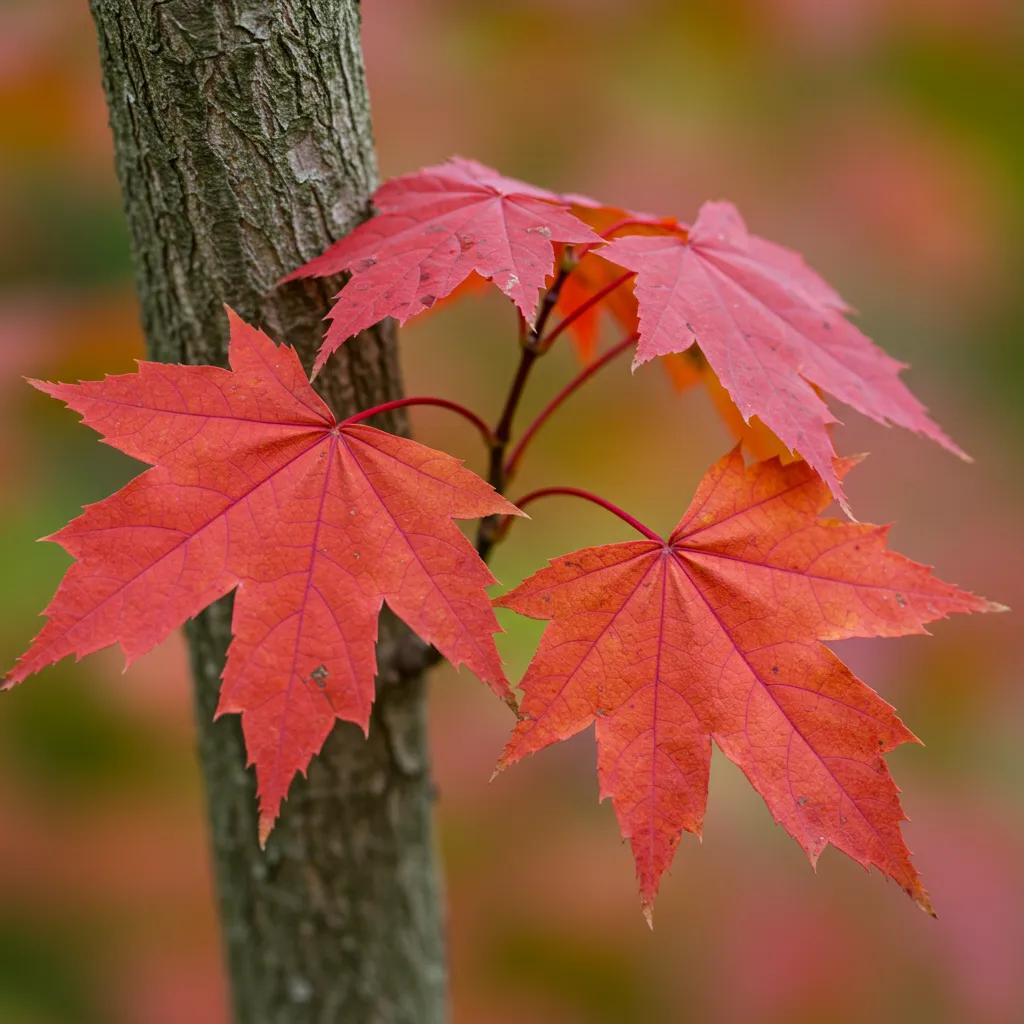
Deciduous trees native to North Carolina include the Red Maple, Flowering Dogwood, Sweetgum, Yellow Poplar, and various Oak species. These broadleaf trees shed their leaves annually, contributing to nutrient cycling and brilliant fall foliage. The Red Maple (Acer rubrum) is known for its stunning crimson fall color; the Flowering Dogwood (Cornus florida) offers iconic white spring blooms; and the Sweetgum (Liquidambar styraciflua) displays distinctive five-pointed leaves that turn deep purple in autumn. White Oaks (Quercus alba) and Red Oaks (Quercus rubra) are prevalent on upland ridges, providing essential acorn food for wildlife. Understanding the seasonal cycles of these species allows for precise timing of pruning and fertilization.
Which Evergreen Trees Are Native to North Carolina?
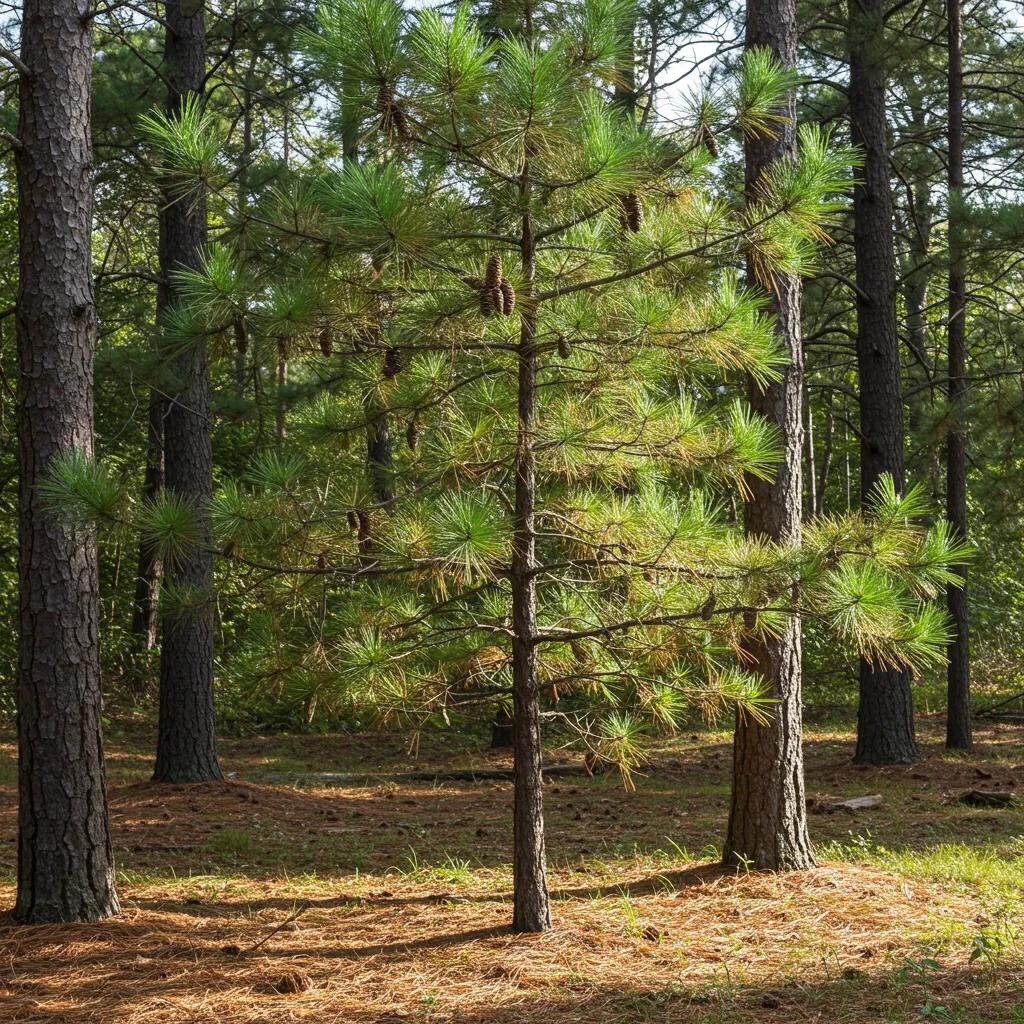
Evergreen trees such as Loblolly Pine, Eastern Red Cedar, American Holly, and Fraser Fir keep their foliage throughout the winter, providing excellent windbreaks and year-round screening. The Loblolly Pine (Pinus taeda) is identified by clusters of three long needles and scaly cones, thriving in Piedmont woodlands. Eastern Red Cedar (Juniperus virginiana) has blue-green needles and berry-like cones that attract birds. American Holly (Ilex opaca) features glossy leaves and bright red fruit, making it a popular choice for ornamental landscaping. In the higher elevations, the Fraser Fir (Abies fraseri) stands out with its dense needles and classic conical shape. These evergreens offer vital support for migratory birds and help stabilize slopes year-round.
What Are Key Identification Features of Common NC Trees?
Identifying native trees relies on observing key characteristics—leaves, bark, flowers, and fruit. Leaves differ in arrangement (alternate, opposite), margin (entire, lobed, serrated), and type (simple or compound). Bark texture can range from smooth and peeling to deeply furrowed. Flowers and fruits reveal bloom color, cluster formation, and seed type, all crucial for accurate species recognition. Mastering these features will help you choose the right tree for your specific soil, sun exposure, and desired maintenance level. Proper identification also informs the best timing for professional services like pruning or disease treatment.
How Can You Identify Native North Carolina Trees by Their Features?
A systematic approach to tree identification speeds up accurate species recognition and guides informed care decisions. By comparing leaf structure, bark patterns, and reproductive parts—flowers and fruits—you can effectively narrow down possibilities and confirm the species. This method ensures that any tree care service, from planting a native specimen to pruning a mature canopy, is tailored to the tree’s specific growth habits and ecological role. Below is a detailed breakdown of diagnostic characteristics.
What Leaf Characteristics Help Identify NC Native Trees?
Leaf morphology offers immediate clues for classification. The table below summarizes common leaf types, arrangements, and margins found in North Carolina’s native trees.
| Leaf Type | Arrangement | Margin |
|---|---|---|
| Simple | Alternate | Entire (American Holly) |
| Simple | Opposite | Lobed (Red Maple) |
| Compound | Alternate | Serrated (Yellow Poplar) |
| Compound | Opposite | Smooth (Boxelder Maple) |
Becoming familiar with these patterns speeds up identification: alternate simple leaves with lobed margins often indicate maples, while opposite compound leaves can suggest Populus relatives. Recognizing leaf traits first lays the groundwork for distinguishing between bark and reproductive parts.
How Does Bark Texture Aid in Tree Identification?
Bark texture provides reliable, year-round identification cues that complement leaf analysis. Smooth, charcoal-colored bark with horizontal lenticels is typical of young Cherry laurels, while deeply furrowed gray bark is characteristic of mature Oak species. Peeling, papery strips signal Paper Birch, and patchy, flaking bark indicates Sycamore. Examining bark in layers—from the outer texture to the inner color—allows arborists to confirm species even in winter or when trees are leafless, ensuring that pruning and disease treatments respect each tree’s unique growth pattern.
What Role Do Flowers and Fruits Play in Identifying NC Trees?
Flowers and fruits offer definitive evidence for species identification through petal color, shape, and seed formation. For instance:
- The Flowering Dogwood displays four showy bracts surrounding a central flower cluster in spring.
- Red Maple produces small red flowers in dangling clusters before its leaves emerge.
- Sweetgum trees bear distinctive spiky spherical seed pods in late summer.
- Eastern Red Cedar develops small, fleshy cones that resemble berries by fall.
These reproductive structures not only confirm identification but also reveal important details about pollinator relationships and seed dispersal mechanisms, guiding best practices for supporting ecosystem health and selecting professional planting services.
Which Deciduous Native Trees Are Most Common in North Carolina?
Deciduous trees are key to the seasonal beauty and ecological value of North Carolina’s forests. By focusing on these prominent species, you can prioritize care strategies and select the right trees for your landscape.
How to Identify and Care for Red Maple (Acer rubrum)
The Red Maple is recognized by its three-lobed leaves with serrated edges and smooth gray bark when young. In autumn, its foliage transforms into brilliant scarlet and orange hues. This adaptable species thrives in moist, well-drained soils and prefers full sun to partial shade.
- Pruning Timing – Late winter to early spring, before sap flow increases, to promote better wound closure.
- Soil Preference – Moist loam enriched with organic matter.
- Common Issues – Aphid infestations can lead to honeydew deposits.
Red Maple provides generous shade and supports numerous pollinators. Professional pruning helps develop strong branch structure and minimizes disease risk.
What Are the Characteristics of Flowering Dogwood (Cornus florida)
The Flowering Dogwood is distinguished by its clusters of creamy white bracts and smooth gray bark with a distinctive square-reticulate pattern. Mature trees typically reach 20–30 feet in height with a broad, layered crown.
- Planting Tips – Partial shade, especially under oak canopies, encourages better flowering.
- Mulching Practice – A two-inch layer of wood chips helps retain soil moisture.
- Pest Management – Monitor for dogwood anthracnose and scale insects.
As a vital understory tree, the Flowering Dogwood supports songbird nesting and spring pollinators, making it an excellent choice for ornamental landscapes.
What Makes Oak Species Important in North Carolina?
Oak species like White Oak and Red Oak are dominant in upland ecosystems, characterized by deeply lobed leaves and rugged, furrowed bark. Their acorns are a critical food source for deer, squirrels, and turkeys.
- Habitat Role – Provide essential mast crops and valuable canopy cover.
- Growth Rate – Moderate to slow, with lifespans often exceeding 200 years.
- Care Requirement – Strategic thinning cuts improve airflow and reduce disease risk.
Oaks enhance property value through their stately appearance and wildlife support. Expert arborists ensure proper thinning and regular health assessments.
How to Recognize Sweetgum and Yellow Poplar Trees?
The Sweetgum tree features distinctive star-shaped leaves and corky wings along its branches, while the Yellow Poplar is known for its tall, pyramidal form and bright yellow spring flowers.
- Sweetgum Care – Remove the spiky seed pods to reduce litter; prune any crossing branches.
- Yellow Poplar Care – Monitor for leaf spot diseases and scale insects; ensure deep watering.
Both species adapt well to various soils and exhibit rapid growth, making them suitable for creating shade corridors and for reforestation projects.
Which Evergreen Native Trees Thrive in North Carolina?
Evergreen species offer consistent screening, wind protection, and valuable habitat. Understanding their unique characteristics ensures proper placement and effective maintenance.
How to Identify Loblolly Pine (Pinus taeda) and Its Habitat
The Loblolly Pine is identified by its clusters of three long needles (6–9 inches) and dark brown cones with sharp scales. It prefers acidic, sandy loam soils found in Piedmont lowlands and can tolerate periodic flooding.
- Pruning Strategy – Lifting lower limbs helps prevent storm damage.
- Natural Role – Stabilizes slopes and provides important timber resources.
- Disease Watch – Inspect regularly for signs of pine bark beetle activity.
This fast-growing pine is crucial for commercial forestry and provides essential cover for wildlife. Professional pruning helps maintain its form and reduces fire hazards.
What Are the Uses and Features of Eastern Red Cedar (Juniperus virginiana)
The Eastern Red Cedar has scale-like foliage and produces small berry-type cones that remain on the tree through winter. It thrives in dry soils on ridges and in old fields.
- Screening Benefits – Its dense foliage creates effective windbreaks and privacy screens.
- Wildlife Value – The cones are a food source for cedar waxwings and small mammals.
- Maintenance – Light pruning is recommended to maintain its shape without topping the tree.
The Eastern Red Cedar’s resilience to drought and pests makes it a low-maintenance choice for property managers seeking year-round greenery.
Why Is American Holly Valued Year-Round?
American Holly retains its glossy evergreen leaves and bright red berries from autumn through winter. It grows best in well-drained, acidic soils and prefers partial shade.
- Ornamental Use – Ideal for natural hedges and festive landscape accents.
- Pollinator Support – Its spring flowers attract bees and butterflies.
- Pruning Advice – Late winter shaping encourages robust berry production.
This native holly enhances garden structure and provides valuable wildlife habitat. Expert planting services ensure proper site selection for long-term success.
What Are the Characteristics of Fraser Fir in Mountain Regions?
The Fraser Fir thrives at elevations above 4,500 feet in the Appalachian Mountains, featuring short, flattened needles and upward-curving branchlets. Its classic conical form and aromatic foliage have made it a popular Christmas tree.
- Climate Adaptation – Prefers cool, moist mountain air and well-drained soil.
- Disease Management – Monitor closely for balsam woolly adelgid infestations.
- Harvest Usage – Sustainable harvesting from managed high-elevation stands.
As a specialist of highland environments, the Fraser Fir requires precise planting depth and occasional thinning to maintain vigor, tasks often best handled by certified arborists.
How Do North Carolina’s Geographical Regions Affect Native Tree Species?
North Carolina’s distinct regions—the Coastal Plain, Piedmont, and Appalachian Mountains—host specialized tree communities adapted to specific climates, soils, and elevations. Understanding these regional affinities allows for optimal species selection and targeted care.
Which Trees Are Native to the Appalachian Mountain Region?
The Appalachian highlands are home to elevation-adapted species such as Fraser Fir, Yellow Buckeye, and Mountain Ash. Cooler temperatures and acidic soils favor mixtures of conifers and hardwoods that provide robust wildlife habitat and effective erosion control on steep slopes.
What Native Trees Grow in the Piedmont Region?
Piedmont woodlands support species like Red Maple, River Birch, and Eastern Redbud. Well-drained clay-loam soils and moderate rainfall create ideal conditions for fast-growing hardwoods that offer shade corridors, stabilize streambanks, and provide vital nectar sources for early-spring pollinators.
Which Native Trees Are Found in the Coastal Plain Region?
The Coastal Plain’s sandy soils and susceptibility to periodic flooding are ideal for Live Oak, Atlantic White Cedar, and Bald Cypress. These species tolerate brackish conditions, exhibit resilience to salt spray, and serve as critical natural buffers against storm surge and coastal erosion.
What Are the Ecological and Property Benefits of Planting Native North Carolina Trees?
Native trees provide essential ecosystem services and enhance landscape value by improving air quality, supporting wildlife, and reducing maintenance costs. Understanding these benefits encourages sustainable planting practices and the partnership with professional arborists.
How Do Native Trees Support Local Wildlife and Biodiversity?
Native trees offer crucial food sources and shelter for pollinators, songbirds, and mammals. Oaks and hickories produce abundant mast crops, while dogwoods and hollies provide vital berries in the fall. Understory species like the Redbud bloom early to nourish emerging pollinators, creating a layered habitat that sustains diverse species throughout the year.
Why Are Native Trees Low Maintenance and Valuable for Property?
Naturally adapted to regional soil and climate conditions, native trees are more resistant to local pests, diseases, and drought. Their deep root systems improve soil structure and enhance stormwater infiltration, reducing the need for supplemental irrigation. Mature canopies provide natural cooling, which can lower energy costs and increase home value through enhanced curb appeal.
What Sustainable Practices Enhance Native Tree Care?
Sustainable tree care practices include proper mulching to conserve soil moisture, targeted pruning to promote structural integrity, and integrated pest management that minimizes the use of chemicals. Planting native species in ecologically appropriate groups fosters resilience and reduces the need for extensive maintenance interventions, aligning with environmental stewardship goals.
When Should You Call a Professional Arborist for Native North Carolina Trees?
Yes, professional arborists are indispensable for advanced tree care tasks that require safety, precision, and long-term health planning. Whether diagnosing a disease, performing corrective pruning, or managing storm-damaged limbs, expert services are crucial for preserving tree vitality and protecting your property.
What Tree Care Services Does Henry’s Tree Service Offer for Native Trees?
- Tree pruning to improve structure and reduce hazards
- Tree removal and stump grinding for unsafe or unwanted specimens
- Tree planting with careful attention to species-site matching
- Disease and pest management through targeted, effective treatments
- Emergency response for storm damage and fallen limbs
These services support sustainable landscapes and ensure trees receive timely interventions that promote healthy growth and safety.
How Can Professional Tree Health Assessments Prevent Pests and Diseases?
Routine health assessments allow for the early detection of infestations or diseases, such as canker formation, leaf discoloration, or bark beetle entry points. By monitoring crown density, sap flow, and root stability, arborists can prescribe integrated management plans—including pruning, soil amendments, and biological controls—that effectively suppress outbreaks and extend tree lifespans.
Why Choose Henry’s Tree Service for Tree Care in North Carolina?
Henry’s Tree Service combines local expertise with advanced techniques—utilizing drones for canopy inspections, GIS mapping for site analysis, and eco-friendly treatment options—to deliver professional, safe, and reliable care. Our certified arborists ensure every cut and treatment adheres to the highest industry standards, providing property managers and homeowners with peace of mind and lasting landscape value.
How Can You Request Expert Tree Care Services for Native Trees?
Partnering with a professional arborist simplifies tree care planning and ensures tailored, effective solutions. Henry’s Tree Service makes scheduling estimates and appointments straightforward for both residential and commercial clients in North Carolina, and surrounding areas.
How to Contact Henry’s Tree Service for Estimates and Appointments?
To request a detailed service estimate or schedule an on-site consultation, please call our local arborist team directly or complete the web form with your project details—including tree species, location, and desired services. A certified arborist will then conduct a site visit, assess the tree’s health, and provide a written proposal outlining recommended treatments and the optimal timing.
What Should Residential and Commercial Clients Expect from Professional Tree Care?
Clients can expect comprehensive evaluations covering structural pruning, soil analysis, and disease diagnostics. Our service technicians arrive punctually, equipped with industry-grade tools, adhere to strict safety protocols, and ensure the site is left clean. Each care plan is meticulously designed to enhance tree vitality, minimize future risks, and maximize landscape aesthetics.
Native North Carolina trees enrich our landscapes with ecological value, seasonal beauty, and significant property benefits. By mastering identification methods and partnering with expert arborists for planting, pruning, and health assessments, landowners can ensure these native species thrive for generations to come. Contact Henry’s Tree Service today to schedule your professional tree care consultation and experience dependable, sustainable solutions tailored to your unique needs.