
North Carolina's Unique Trees: A Deep Dive into Our Native Species
Introduction
North Carolina’s native trees paint an incredible picture across our mountains, Piedmont, and coastal regions, creating one of the most diverse tree landscapes in the entire country. Homeowners and property managers often find themselves scratching their heads when it comes to picking out, identifying, and caring for these varied species, especially when faced with unusual bark textures, leaf shapes, or signs of disease. This guide is packed with expert advice on North Carolina’s tree variety, easy ways to identify them, and smart ways to care for them sustainably—showing you just how crucial specialized tree knowledge is for healthy landscapes. You’ll learn about:
- The three main regions of North Carolina and the trees that define them.
- How to spot our most famous trees, from the Loblolly Pine to the River Birch.
- Their roles in nature, how they help with sustainable landscaping, and the wildlife they support.
- Common diseases and pests, along with how to handle them.
- Top-notch tree care tips to keep them healthy and strong for years.
By combining this thorough information with professional tree care know-how, you can boost your landscape’s health and make smart choices about tree services—just like you’d expect from certified arborists and experienced pros like Henry’s Tree Service.
What Makes North Carolina's Tree Diversity So Special Across Its Regions?
Which Trees Flourish in the Appalachian Mountains of NC?
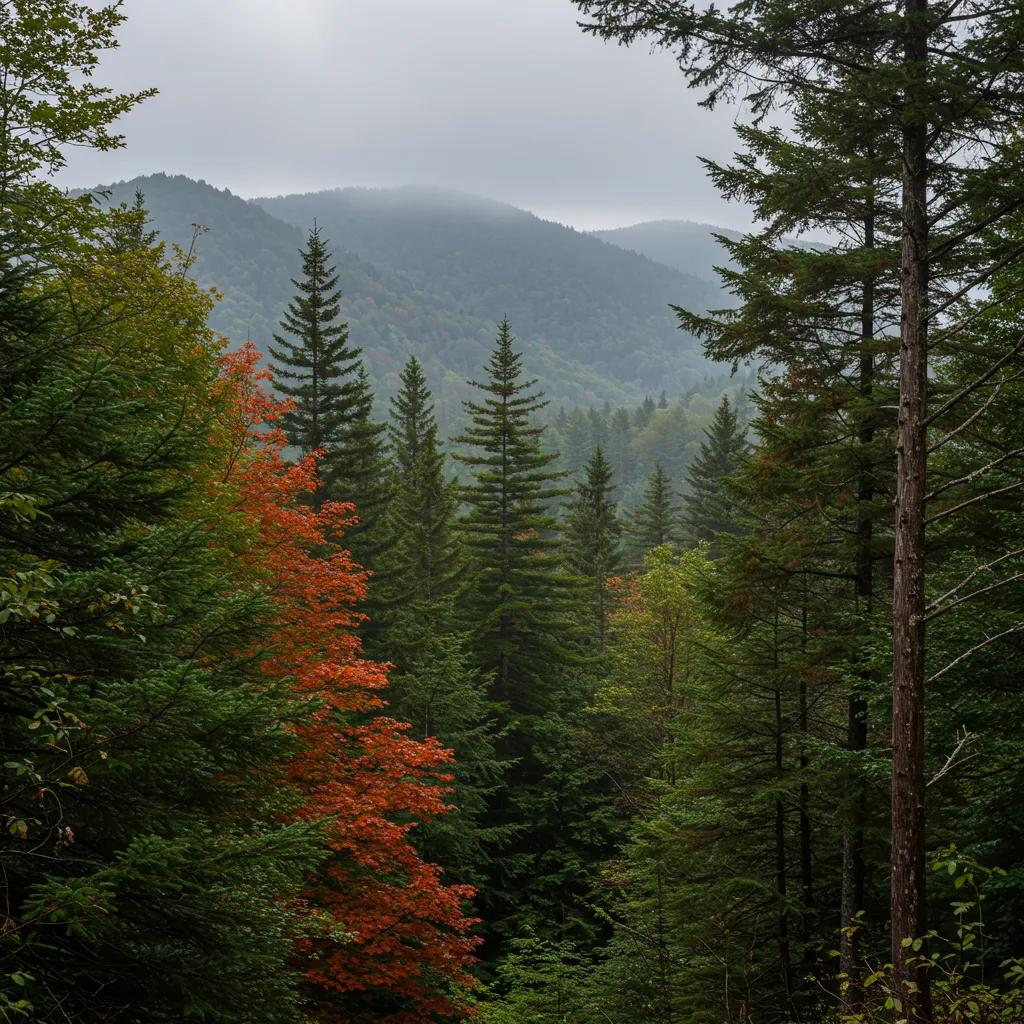
The Appalachian Mountains region is home to high-elevation conifers and hardwoods that are perfectly adapted to cooler temperatures and acidic soils.
- Fraser Fir: A tough fir with flat needles that loves high altitudes.
- Red Spruce: A dense conifer that provides vital homes for wildlife.
- American Beech: Known for its smooth gray bark and stunning golden fall color.
- Eastern Hemlock: An evergreen that thrives in shade but is vulnerable to pests.
These trees create dense canopies that help regulate mountain climates and support local wildlife, setting the scene for forests at mid-elevations.
What Are the Go-To Hardwoods and Pines in the Piedmont?
The rolling hills of the Piedmont are ideal for adaptable pines and hardwoods that do well at moderate elevations and in well-drained soil.
- Loblolly Pine: A fast-growing yellow pine with needles in groups of three.
- Red Maple: A versatile hardwood with distinctive, bright red, serrated leaves.
- White Oak: A sturdy oak prized for its strong wood.
- Sweetgum: Features star-shaped leaves and prickly seed balls.
These trees offer timber, shade, and ornamental beauty, acting as a bridge between mountain and coastal environments.
How Do Coastal Plain Trees Handle Wetlands and Salty Air?
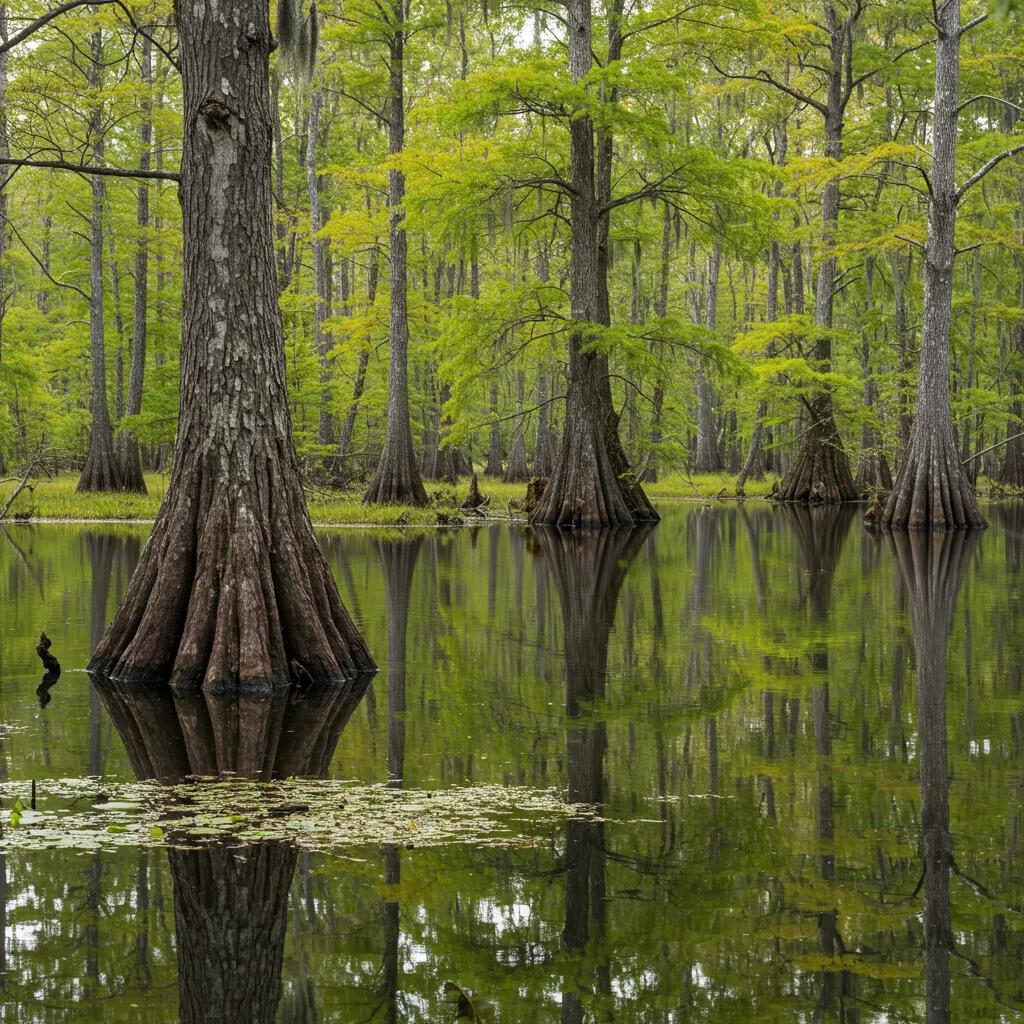
Trees in the Coastal Plain are built to handle wet conditions and salt spray along rivers, in swamps, and near tidal marshes.
- Bald Cypress: Features “knees” that rise from swampy soil and sheds feathery foliage.
- River Birch: Known for its peeling, papery bark and graceful, arching branches along waterways.
- Wax Myrtle: An evergreen shrub or small tree with fragrant leaves.
- Pond Pine: A salt-tolerant pine that thrives in pocosin wetlands.
By anchoring shorelines and filtering water, these trees help protect coastal ecosystems from erosion and pollution.
How Can You Spot North Carolina's Most Iconic Tree Species?
What Sets the Loblolly Pine Apart?
The Loblolly Pine is a quick-growing conifer easily identified by its long needles, typically in threes, its deeply grooved bark, and oval cones that are great for timber production. Its straight trunks make it a top choice for pulp and construction lumber.
How to Recognize the American Beech by Its Smooth Bark and Fall Color?
The American Beech is unmistakable with its smooth, silver-gray bark and oval leaves that turn a brilliant gold in the fall. It also produces edible beechnuts that are a food source for wildlife in forest understories.
What's Special About the Red Maple's Leaves and Where It Grows in NC?
The Red Maple boasts serrated, palmate leaves that transform from green to vibrant scarlet and deep red. It’s a versatile tree, thriving in everything from wet bottomlands to drier upland sites, making it a standout in landscapes and a common sight in forests.
How to Identify the Yellow Poplar (Tulip Tree) by Its Flowers and Growth?
The Yellow Poplar is adorned with unique tulip-shaped, greenish-yellow flowers in the spring and has four-lobed leaves that resemble a cat’s face. Its rapid upward growth, often exceeding 100 feet, marks it as a significant ecological and ornamental tree.
What Are the Key Features of the Sweetgum Tree?
Sweetgum trees are easily recognized by their distinctive star-shaped leaves, which are glossy green in summer and turn fiery hues in the fall. They also produce spiky, round fruits that stick around all winter, helping with identification and seed dispersal.
How Does the River Birch's Peeling Bark Help You Identify It?
The River Birch is famous for its papery bark that peels away in layers of salmon-pink, creating a colorful mosaic against riparian backdrops. This is a key visual clue when surveying wetland forests.
Comparing the Features of Iconic NC Trees
| Tree Species | Leaf or Needle Trait | Bark Characteristic | Fruit or Cone Feature | Typical Habitat |
|---|---|---|---|---|
| Loblolly Pine | Needles in bundles of three, 6–10″ long | Deeply furrowed, gray-brown | Reddish-brown cones, 2–3″ long | Piedmont and lowland plains |
| American Beech | Simple, serrated, 3–5″ long leaves | Smooth, silver-gray surface | Triangular beechnuts in prickly husks | Appalachian and Piedmont regions |
| Red Maple | Opposite, palmate, 2–6″ long leaves | Light gray, smooth when young, becoming rougher | Paired, winged seeds (samaras) in clusters | From wet areas to drier uplands |
| Yellow Poplar | Four-lobed, 6–12″ long leaves | Gray-green, slightly furrowed | Distinctive tulip-shaped green-yellow flowers | Rich bottomlands and mixed woods |
| Sweetgum | Star-shaped, five-pointed leaves | Hard, furrowed, dark gray | Spiky, round gumballs that persist through winter | Mesic uplands |
| River Birch | Simple, serrated, 3–5″ long leaves | Peeling, papery layers in shades of salmon-pink and tan | Small, winged seeds in drooping clusters (catkins) | Swamps and riverbanks |
Each tree’s unique combination of leaf shape, bark texture, and reproductive parts makes it easier to identify them in the field.
Why Are North Carolina's Native Trees So Important for Sustainable Landscaping and Wildlife?
What Advantages Do Native Trees Offer NC's Ecosystems?
Native trees make ecosystems stronger by resisting diseases, using water efficiently, and helping with nutrient cycles. Their natural traits improve soil stability, clean the air, and provide essential food and shelter for pollinators and wildlife.
How Should You Choose Native Trees for Different Parts of NC?
Picking trees that are native to a specific region ensures your landscaping efforts will be successful:
- Mountains: American Beech and Eastern Hemlock are great for shade and cooler soils.
- Piedmont: Loblolly Pine and Red Maple are excellent, versatile choices.
- Coastal Plain: Bald Cypress and River Birch are ideal for wet environments.
Matching trees to local soil and moisture conditions promotes healthy growth and cuts down on maintenance needs.
Which Native Trees Are Best for Supporting Local Wildlife and Pollinators?
Some of the best trees for supporting wildlife include:
- Oak species: Their acorns are a vital food source for deer, turkeys, and squirrels.
- Sweetgum: The spiky gumballs attract various songbirds.
- Tulip Tree: Its nectar-filled flowers are a treat for bees and butterflies.
- Bald Cypress: Cavities in the trunk provide nesting spots for birds.
By planting these trees, landowners can help boost biodiversity and create important corridors for pollinators.
What Are the Most Common Diseases and Pests Affecting Trees in North Carolina?
How Can You Spot and Manage Anthracnose in NC Trees?
Anthracnose is a fungal disease that causes dark, irregular spots on leaves and leads to early leaf drop, particularly affecting sycamore, dogwood, and oak trees.
To manage it:
- Prune affected branches to improve air circulation.
- Clear away fallen leaves and debris to break the fungal cycle.
- Apply professional fungicide treatments as buds begin to open.
Taking action quickly helps restore the health of the canopy and prevents the disease from spreading.
What Causes Root Rot, and How Is It Treated in NC Tree Species?
Root rot, often caused by Phytophthora fungi in waterlogged soils, results in yellowing leaves, wilting, and eventual decline. Treatment involves:
- Improving drainage around the tree’s root system.
- Having an ISA-certified arborist inject phosphorous acid fungicides.
- Replacing severely affected trees with species that tolerate wet conditions.
Correcting soil moisture levels encourages root recovery.
Why Is Oak Wilt Such a Serious Threat to NC Oaks?
Oak wilt is a vascular fungus that blocks the tree’s water transport system, leading to wilting, bronzing of leaves, and death within weeks. Prevention strategies include:
- Disinfecting pruning tools between cuts on different oak trees.
- Avoiding pruning during the high-risk spring months.
- Using professional diagnostic services and installing air-injection fungicide barriers.
Quick detection and barrier treatments can protect nearby oak trees.
How Does the Southern Pine Beetle Impact Loblolly Pines?
Southern Pine Beetle infestations bore into the bark, disrupting nutrient flow and creating characteristic pitch tubes. Management strategies include:
- Removing infested trees and disposing of them by chipping or burning.
- Keeping trees healthy and vigorous through proper thinning and pruning.
- Using pheromone traps to monitor for early signs of outbreaks.
Proactive forest health programs are key to controlling beetle populations.
What Other Common Tree Ailments Should NC Tree Owners Be Aware Of?
Other issues to watch for include:
- Bacterial Leaf Scorch: Causes browning along the edges of leaves on oaks and maples.
- Powdery Mildew: Appears as a white, powdery coating on the leaves of sycamore and dogwood.
- Dutch Elm Disease: A destructive vascular wilt affecting elm species.
Early detection and professional treatment are crucial for maintaining tree vitality.
How Does Expert Tree Care Boost the Health and Lifespan of North Carolina's Trees?
Why Is Professional Pruning So Important for NC Tree Species?
Professional pruning, following ISA standards, enhances tree structure and seals off potential entry points for diseases. Pruning at the right time—during late winter dormancy—minimizes sap loss and promotes strong spring growth.
When and How Should Tree Removal Be Handled in NC?
Safe tree removal requires:
- A risk assessment conducted by certified arborists.
- Careful lowering of limbs and the trunk using specialized rigging equipment.
- Stump grinding and site cleanup.
Expert execution prevents damage to your property and ensures all regulations are met.
What Emergency Tree Services Are Available for Storm-Damaged NC Trees?
Following severe storms like hurricanes or ice storms, our emergency crews offer:
- Removal of hazardous limbs.
- Installation of structural cables and braces for trees that can be saved.
- Debris removal and risk reduction.
Our rapid response helps protect people and restores safety to your landscape.
How Do Fertilization and Health Programs Benefit Native NC Trees?
Customized soil tests guide the application of essential nutrients, often nitrogen and micronutrients, to correct any deficiencies. Comprehensive health plans include soil aeration, root zone injections, and mulching to ensure long-term tree vigor.
When Is It Time to Call a Certified Arborist for NC Tree Care?
You should seek professional help if you notice:
- Cracks or decay in the trunk.
- Sudden thinning of the tree’s canopy.
- Unexplained changes in leaf color.
Contacting an ISA-certified arborist ensures you get an accurate diagnosis and a personalized care plan.
What Is the Ecological and Economic Importance of North Carolina’s Forests and Trees?
How Do NC Trees Provide Homes and Food for Wildlife?
North Carolina’s forests offer abundant mast crops—like acorns, beechnuts, and samaras—that provide crucial food for migrating and overwintering wildlife. The varied canopy layers offer nesting sites, while deadwood supports a thriving community of insects and birds.
What Role Does the Timber Industry Play in NC’s Economy?
Key species such as Loblolly Pine and Yellow Poplar are major drivers of timber revenue, supplying wood for pulp, veneer, and construction. Sustainable harvesting practices and reforestation efforts support the primary wood products industry and provide jobs in rural communities.
How Do NC Forests Help the Environment, Like Improving Air Quality and Preventing Erosion?
Tree canopies act as natural filters, trapping particulate matter and absorbing carbon dioxide, which improves air quality across the region. Their root systems anchor soil on slopes and along waterways, reducing sediment runoff and protecting aquatic ecosystems.
How Can You Identify North Carolina Trees by Their Leaves, Bark, and Flowers?
What Leaf Shapes and Colors Are Unique to NC Tree Species?
North Carolina trees showcase a wide array of leaf shapes:
- Palmate (like Red Maple), lobed (like Tulip Tree), and star-shaped (like Sweetgum).
- They also display seasonal color changes, shifting from green to vibrant oranges, reds, or golds.
Recognizing these shapes and colors can significantly speed up identification in the field.
How Does Bark Texture Help Distinguish NC Trees?
Bark textures vary widely:
- Smooth, silver-gray surfaces are characteristic of the American Beech.
- Deep fissures and ridges are found on Loblolly Pines.
- Peeling, papery layers are a hallmark of the River Birch.
Examining the bark’s texture provides distinct, species-specific clues.
What Are the Distinctive Flowers and Fruits of NC Trees?
Flowers and fruits serve as reliable identification markers:
- Tulip-shaped blossoms are found on the Yellow Poplar.
- Spiky gumballs are produced by the Sweetgum.
- Winged samaras are characteristic of Maple species.
- Cones, varying in size and scale arrangement, are typical of Pines.
How to Use Visual Guides and Infographics for Accurate Tree Identification in NC
Visual aids that combine photos of leaves, bark, flowers, and fruit greatly improve identification accuracy. Infographics showing where specific species grow regionally can speed up diagnostics during field surveys and help with planting decisions.
What Are the Best Practices for Keeping North Carolina’s Unique Trees Healthy?
When Is the Best Time to Prune NC Trees?
The ideal time for pruning is late winter, just before the buds swell. This timing minimizes sap loss and promotes better healing. Proper timing also reduces stress on the tree and prevents pathogens from entering.
How Does Proper Pruning Prevent Disease and Strengthen Trees?
Correct pruning techniques involve removing deadwood, improving air circulation within the canopy, and balancing the tree’s weight. These practices reduce the risk of branches breaking and help maintain structural integrity, especially during storms.
What Signs of Tree Stress or Disease Indicate a Need for Professional Help?
Signs that suggest a tree needs professional attention include:
- Leaves dropping or changing color earlier than usual.
- Visible cankers or fungal growths on the bark.
- The root flare becoming exposed or roots lifting the soil.
Recognizing these early warning signs allows for timely interventions by tree care specialists.
How Does Sustainable Tree Care Support NC’s Diverse Forest Ecosystems?
Sustainable practices, such as selective thinning, managing soil health, and planting native species, help preserve biodiversity, increase resilience to extreme weather, and maintain vital ecosystem services for future generations.
North Carolina’s native trees are more than just symbols of our state’s rich natural heritage; they provide tangible benefits for sustainable landscaping and wildlife support. By understanding our regional tree diversity, learning to identify key species, and employing expert care—including proper pruning, disease management, and emergency services—you can ensure your trees remain healthy and add lasting value to your property. Professional guidance from certified arborists, like those at Henry’s Tree Service, brings advanced techniques and local expertise to every job. Let’s work together to cultivate resilient, vibrant trees that will thrive for decades to come.