
North Carolina's Most Common Trees: An Expert Guide to Identification and Care
Property owners across North Carolina frequently inquire about the trees that define our landscapes and the best ways to care for them, considering both environmental health and property value. This guide delves into why recognizing common North Carolina trees, complete with visual aids, is crucial for supporting local wildlife, enhancing your property’s appeal, and ensuring targeted tree maintenance. You’ll journey through three distinct tree-growing regions, discover the top ten native species and their specific care needs, pick up practical identification tips, weigh the pros and cons of native versus non-native trees, review common tree ailments and pests, and see firsthand how Henry’s Tree Service brings unparalleled professional expertise to every tree challenge. By the time you finish, you’ll be equipped with the knowledge to identify, nurture, and protect North Carolina’s most prevalent trees, all while knowing you have dependable tree care solutions at your fingertips.
Why North Carolina's Trees Matter for Our Environment and Your Property
North Carolina’s extensive tree canopy is the bedrock of regional biodiversity and property aesthetics, offering vital shade, preventing soil erosion, and creating essential habitats for wildlife. Healthy native trees play a critical role in managing water runoff and stabilizing soil, making our forests and yards more resilient to severe weather and drought. Furthermore, well-cared-for trees significantly boost curb appeal and can increase residential property values by as much as 20 percent in many urban areas. Understanding these dual benefits—ecological function and landscape investment—lays the groundwork for selecting the right tree species and implementing professional care strategies that foster both environmental resilience and homeowner satisfaction.
How Native Trees Support North Carolina's Wildlife and Ecosystems
Native trees are indispensable, providing critical food sources and shelter for countless bird, insect, and mammal species. Oaks, for instance, offer acorns that sustain deer and squirrels, while the nectar and fruit of flowering dogwoods attract essential pollinators. Along waterways, corridors of willows and sycamores act as natural filters for runoff and create vital spawning grounds for fish. These intricate connections highlight how preserving native tree populations directly bolsters ecological networks and promotes long-term landscape vitality, guiding homeowners toward species choices that benefit both wildlife and soil health.
The Role of Trees in Boosting Property Value and Landscape Health
Mature shade trees can slash cooling costs by up to 30 percent and significantly enhance a property’s market appeal with their lush foliage and well-defined canopies. Street trees like oaks and maples contribute to inviting neighborhood aesthetics, while strategically placed pines and poplars can effectively buffer against wind and noise. Properties graced with diverse, healthy tree stands consistently command higher appraisal values and sell more quickly. Aligning your tree species selection with your site conditions and overall landscape design ensures you reap both functional benefits and a strong return on your tree investments.
Why Understanding Tree Species is Key to Proper Tree Care
Accurately identifying tree species is fundamental for establishing appropriate pruning schedules, effectively monitoring for diseases, and implementing precise soil management techniques. For example, oaks generally require pruning in mid-winter, whereas pines benefit from late spring trimming to minimize resin flow. Knowing a tree’s growth rate and common stress triggers empowers homeowners and arborists to develop customized maintenance plans that reduce risks and maximize the tree’s lifespan. This species-specific knowledge is directly applicable to knowing precisely when to call in professional services, ensuring safe, reliable, and cost-effective care throughout every phase of a tree’s life.
Exploring North Carolina's Distinct Tree Regions: Coastal Plain, Piedmont, and Mountains
North Carolina’s diverse geography naturally divides into three tree-rich regions—the Coastal Plain, the Piedmont, and the Mountains—each supporting unique species that have adapted to specific soils, elevations, and rainfall patterns. The Coastal Plain is characterized by sandy soils and wetland environments, the Piedmont features rolling hills with clay-based substrates, and the Mountains offer cooler temperatures and higher precipitation. Recognizing these regional differences is paramount for accurate tree identification and for implementing targeted care practices that respect the unique environmental conditions of each area.
Common Trees Found in North Carolina's Coastal Plain
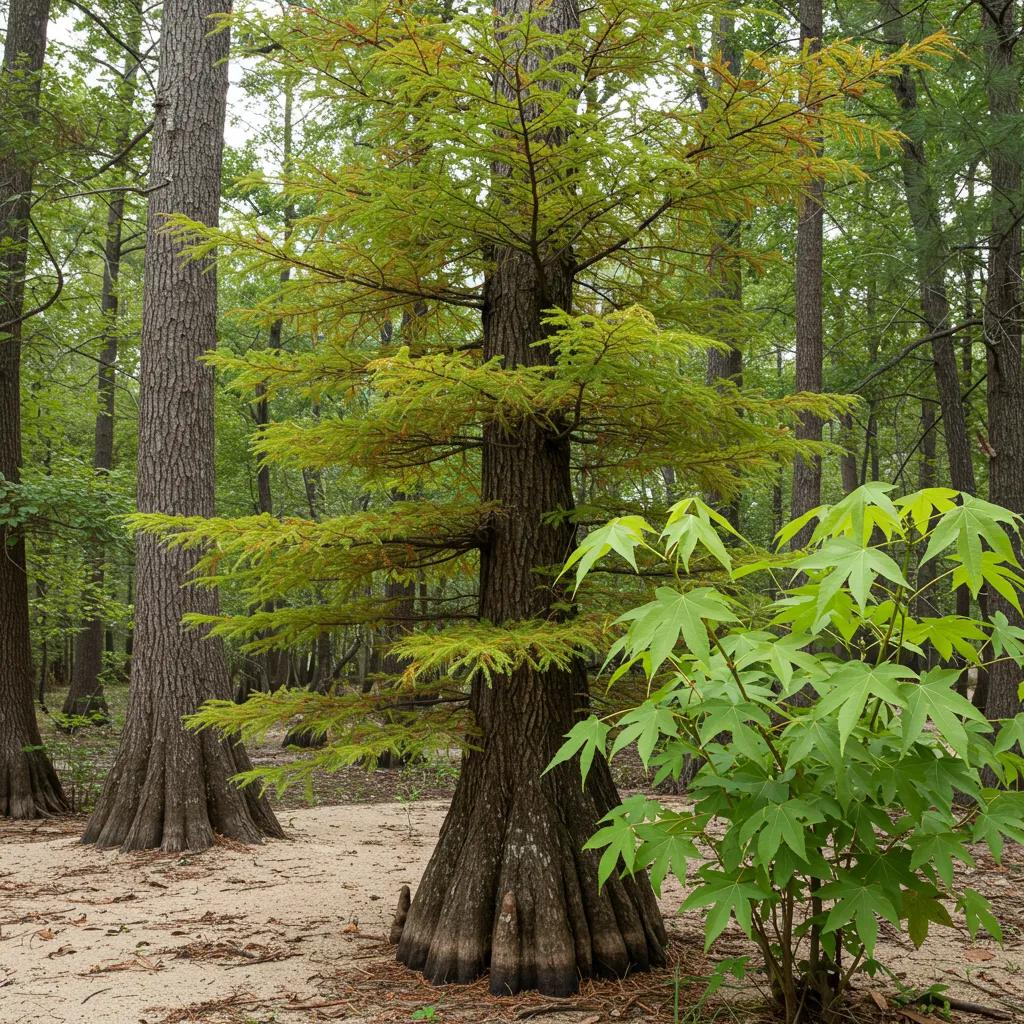
Forests in the Coastal Plain are frequently populated by loblolly pine, bald cypress, sweetgum, and live oak, all thriving in the region’s sandy or swampy soils. Bald cypress is notable for its flared “knees,” which help stabilize it in wet ground, while the rapid growth of loblolly pine makes it ideal for lowland reforestation efforts. Sweetgum adds a splash of vibrant color in the autumn, and live oak provides a dense, evergreen canopy along the coast. The adaptations of these species to high humidity and occasional flooding directly inform specific pruning and disease management strategies for the region.
Tree Species That Flourish in the Piedmont Region
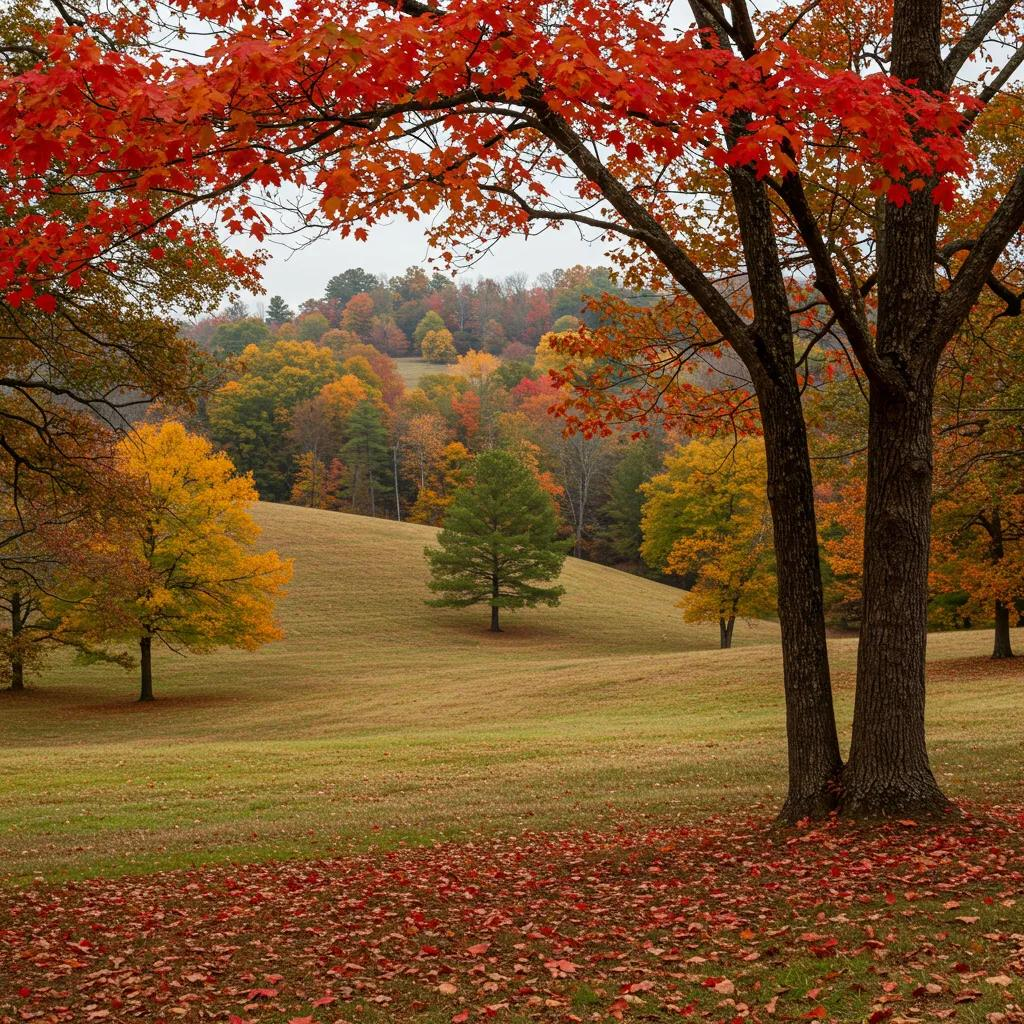
The Piedmont region is home to red maple, white oak, hickory, and yellow poplar, which grow well in clay-loam soils with moderate drainage. Red maple demonstrates remarkable adaptability to various sites and offers stunning fall color, while white oak’s strong wood and expansive roots make it suitable for urban planting. Hickories are valued for their edible nuts, a favorite among wildlife, and yellow poplar’s swift vertical growth provides substantial summer shade. Soil testing and diligent root zone protection are crucial care steps in this region to prevent soil compaction and nutrient deficiencies.
Unique Trees of Western North Carolina's Mountainous Areas
The mountainous landscapes of western North Carolina are characterized by Fraser fir, eastern hemlock, American beech, and black cherry, all adapted to the cooler, moister conditions found at higher elevations. Fraser fir often dominates the highest ridges, while eastern hemlock creates dense evergreen shade along stream banks. Beech forests are recognized by their smooth, gray bark and produce abundant mast crops that support bears and rodents, and the fragrant blossoms of black cherry attract numerous pollinating bees. Tree care in the mountains typically emphasizes erosion control and mitigating damage from winter storms.
How Regional Differences Impact Tree Identification and Care
Variations in regional soil pH, moisture levels, and temperature significantly influence leaf shape, bark texture, and growth habits, even among the same tree species. For instance, loblolly pine needles might appear longer in the Coastal Plain compared to those found in transitional Piedmont zones. Pruning schedules also shift with elevation; mountain oaks tend to heal faster when pruned in late summer, while Piedmont oaks seal wounds most effectively in winter. Tailoring care techniques to these subtle regional differences ensures optimal tree health and accurate species recognition across North Carolina’s diverse landscapes.
North Carolina's Top 10 Most Common Trees: Identification and Care Insights
Homeowners can easily reference the ten most prevalent trees in North Carolina and implement targeted maintenance strategies based on their specific identification and growth patterns.
- Identifying and Caring for Red Maple (Acer rubrum) in North CarolinaRed Maple is distinguished by its 3–5 lobed leaves with V-shaped sinuses and smooth gray bark that develops furrows as it matures. It thrives in moist, acidic soils and puts on a spectacular display of vivid red foliage each fall. Common issues include Verticillium wilt and root girdling; corrective pruning and regular root collar inspections can prevent decline. Strategic mulching and consistent watering support robust growth and enhance the intensity of its autumn color.
- Key Features and Management of Loblolly Pine (Pinus taeda)Loblolly Pine is characterized by bundles of three long needles and reddish-brown cones that typically measure 3–6 inches. It flourishes in sandy loam and wet lowland areas, often reaching impressive heights of 90 feet. Fusiform rust and southern pine beetle infestations necessitate regular health assessments and prompt removal of affected limbs. Thinning dense stands is beneficial for improving air circulation and reducing pest pressure.
- Identifying Common Oak Trees in North CarolinaWhite Oak, Red Oak, and Southern Live Oak are the most common oaks found in North Carolina landscapes. They are differentiated by their leaf margins—rounded for white oak, pointed for red oak—and the evergreen canopy of the live oak. Oaks benefit from annual structural pruning during winter and deep-root watering during periods of summer drought. Vigilant disease monitoring for oak wilt and powdery mildew is essential for maintaining strong canopies and robust wood development.
- Identifying and Maintaining Sweetgum (Liquidambar styraciflua)Sweetgum trees are easily recognized by their distinctive star-shaped leaves and the corky bark ridges found on mature trunks. They grow rapidly in moist, well-drained soils and produce spiky seed balls in the fall. Canker and leaf spot diseases can be effectively managed through sanitation pruning and ensuring adequate spacing for good airflow. Regular crown thinning helps prevent storm damage and maintains the tree’s aesthetic form.
- Characteristics of Yellow Poplar (Liriodendron tulipifera)Yellow Poplar is notable for its unique tulip-shaped flowers, smooth gray bark, and four-lobed leaves with truncated tips. It thrives in deep, moist soils and can grow to heights of 100 feet. Issues like aphid honeydew and scale insects can be addressed with targeted spraying and branch clearance. Seasonal pruning after leaf drop is important for preserving structural integrity and encouraging strong, straight central leader growth.
- Recognizing and Caring for Flowering Dogwood (Cornus florida)Flowering Dogwood is identified by its four-petaled bracts and distinctive horizontal branching pattern that creates an umbrella-shaped crown. It prefers partial shade and well-drained, acidic soils. Dogwood anthracnose and powdery mildew are managed through fungicide applications and the removal of fallen debris. Maintaining mulch rings and carefully protecting the root zone helps conserve moisture and reduce competition from surrounding vegetation.
- Identification Features of Eastern White Pine (Pinus strobus)Eastern White Pine is characterized by its five soft needles per bundle and smooth young bark that gradually darkens with age. It grows best in sandy soils with moderate moisture and can tolerate partial shade. White pine blister rust and pine weevil infestations can be mitigated through early detection and the removal of infected stems. Selective thinning can improve bole straightness and overall needle health.
- Identifying American Beech (Fagus grandifolia) and Its Growth RequirementsAmerican Beech trees are easily identified by their smooth, silver-gray bark and elliptical leaves with prominent parallel veins. They prefer rich, well-drained upland soils and develop extensive deep root systems. Threats like beech bark disease and scale insects require regular inspections and the removal of weakened branches. Protective measures, such as barriers, can prevent damage to the root flare from lawn equipment.
- Common Hickory Species in North Carolina and Their UsesKey hickory species in North Carolina include Carya tomentosa (Mockernut) and Carya ovata (Shagbark), both featuring pinnate leaves and distinctive shaggy bark on mature trees. They produce edible nuts and exceptionally hard, durable wood highly valued for tools and flooring. Hickories generally require minimal pruning, though periodic removal of deadwood is beneficial to prevent branch failure. Proper soil fertility management supports robust nut production and trunk strength.
- Spotting Eastern Redbud (Cercis canadensis) and Eastern Red Cedar (Juniperus virginiana)Eastern Redbud is recognized by its heart-shaped leaves and profuse rosy spring blossoms, thriving in rocky or alkaline soils. Eastern Red Cedar is an evergreen conifer with distinctive bluish berry-like cones and fibrous reddish bark. Redbud can be susceptible to verticillium wilt; mulching and deep watering help reduce stress. Cedar rust and bagworm infestations on red cedars can be managed with targeted pruning and diligent insect monitoring.
Essential Tips for Identifying North Carolina Trees
Accurate tree identification begins with observing key characteristics—leaves, bark, fruit, and seasonal changes—that distinguish one species from another and guide effective care decisions.
Leaf Characteristics for Identifying Common NC Trees
Leaf shape, margin type, and venation patterns provide immediate clues: think of the lobed leaves of oaks, the star-shaped foliage of sweetgum, or the needle bundles characteristic of pines. Leaf arrangement—whether opposite (like maples and dogwoods) or alternate (like oaks and hickories)—helps narrow down the possibilities. Autumn color changes and the persistence of evergreen needles offer further refinement for identification and assist in selecting the correct pruning and fertilization schedules.
How Bark Texture and Color Aid Tree Identification
Bark surfaces vary dramatically, from the smooth trunks of beech trees to the deeply furrowed ridges of oaks and the peeling scales of pines. Young red maple bark is smooth and gray, becoming scaly with age, while dogwood bark develops into blocky plates. Color variations, such as the reddish hue of poplar trunks or the green-gray of cedar bark, are particularly helpful for identification during winter when leaves are absent. Recognizing these bark features also informs safe pruning techniques and aids in early disease detection.
The Role of Flowers, Fruits, and Seeds in Tree Identification
Distinctive flower structures and fruit types—such as the winged samaras of maples, the acorns produced by oaks, or the cone clusters of pines—serve as definitive species markers. Dogwood bracts often mimic petals, while the spiky seed balls of sweetgum can persist well into winter. Observing the timing of blooms and fruit maturation can guide the scheduling of essential maintenance tasks like fertilization and pest management. This reproductive evidence complements leaf and bark observations for reliable identification.
Using Seasonal Changes to Recognize Deciduous vs. Evergreen Trees
Deciduous trees shed their leaves each autumn, revealing their branch architecture and bark features, while evergreens retain their needles or scales throughout the year. Winter offers a clear view of conifer forms—the pyramidal silhouettes of pines versus the columnar shapes of cedars—as well as the distinct branching patterns of deciduous trees like the smooth stems of beeches. Awareness of seasonal changes helps homeowners schedule pruning during dormant periods and apply winter care techniques, such as anti-desiccant sprays or burlap windbreaks for vulnerable evergreens.
Native vs. Non-Native Trees in North Carolina: Benefits and Risks
Opting for native trees leverages their natural adaptations, support for local wildlife, and inherent disease resistance. Conversely, non-native species can sometimes introduce ecological imbalances and exhibit invasive tendencies. Understanding these distinctions ensures that landscape choices promote resilience and biodiversity while minimizing the risk of unintended spread and pest introduction.
| Species Category | Key Benefit | Primary Risk |
|---|---|---|
| Native Trees | Provide habitat perfectly suited for local wildlife | Rarely exhibit invasive tendencies |
| Non-Native Trees | Offer unique ornamental appeal | Potential to outcompete native flora |
| Native Shade Trees | Exhibit superior soil compatibility | Limited variety available for highly developed sites |
| Non-Native Shade Trees | May offer faster growth rates | Can be more susceptible to local diseases and pests |
Native trees contribute to balanced ecosystems and typically require fewer chemical interventions, whereas non-native specimens might aggressively outcompete local plant life or harbor unfamiliar pests. Recognizing these trade-offs is crucial for making informed planting decisions and developing effective long-term maintenance plans.
Why Native Trees Are Vital for North Carolina’s Ecosystem Health
Native species have evolved in tandem with local wildlife and soil microorganisms, providing reliable food sources and shelter for insects, birds, and mammals. Their extensive root systems enhance water filtration and improve soil structure, effectively reducing erosion and nutrient runoff. Planting native shade trees, such as white oak and dogwood, actively promotes biological diversity and bolsters resilience against emerging diseases through enhanced genetic adaptation.
Threats Posed by Invasive Tree Species to Native Flora
Invasive species, like the tree of heaven or Bradford pear, can spread aggressively, displacing native saplings and altering soil chemistry. They may also introduce fungal pathogens or insect infestations to which native trees have no natural resistance. Managing these aggressive species often requires consistent monitoring, diligent removal of root suckers, and professional interventions to prevent widespread ecological disruption.
Choosing the Best Native Shade Trees for North Carolina Landscapes
When selecting native shade trees, consider factors like soil moisture, sun exposure, and available space—white oak is ideal for expansive lawns, sweetgum thrives in sites with drainage challenges, and redbud is a beautiful choice for smaller decorative plantings. Always factor in the mature size and root spread to prevent future conflicts with infrastructure. Employing proper planting techniques and early structural pruning will establish a strong foundation and minimize future maintenance requirements.
Seasonal and Growth Differences Between Deciduous and Evergreen Trees
Deciduous trees shed their foliage in the fall, redirecting vital nutrients to their roots and reducing water loss during winter. Evergreens, on the other hand, continue photosynthesis year-round. Deciduous trees experience a growth surge in the spring, benefiting from early nutrient availability, while evergreens grow more steadily and require continuous pest monitoring. These distinct seasonal rhythms significantly influence pruning schedules, irrigation needs, and fertilization timing for optimal tree health.
Common Diseases and Pests Affecting North Carolina’s Trees and Their Management
North Carolina’s climate and diverse tree population create conditions conducive to diseases like verticillium wilt and pests such as pine bark beetles, which can rapidly compromise tree health. Early detection and precisely tailored treatments are essential to prevent significant canopy loss and potential property hazards.
Common Diseases Impacting Red Maple and Loblolly Pine
Red Maple is frequently affected by verticillium wilt, leading to branch dieback and thinning of the canopy. Loblolly pine is particularly vulnerable to fusiform rust, which causes stem deformities. Pruning infected limbs and applying targeted fungicides can help limit the spread of these diseases, while sanitation practices—such as removing fallen debris—reduce the overall inoculum levels. Timely interventions are key to preserving tree structure and mitigating long-term decline.
How Pests Like Pine Beetles Threaten NC Tree Health
Southern pine beetles burrow beneath the bark, disrupting the flow of nutrients and leading to rapid crown yellowing and eventual tree mortality. Key indicators include the presence of pitch tubes and sawdust at the base of the trunk. Preventive thinning and the prompt removal of weakened trees can disrupt beetle life cycles, and pheromone traps are effective for monitoring population levels. Professional assessments are crucial for ensuring the safe removal of heavily infested trees.
When to Seek Professional Tree Health Assessment or Removal Services
Visible signs of canopy thinning, the appearance of fungal conks, large dead branches, or decay at the root flare are indicators of advanced stress that necessitate an arborist’s evaluation. Hazardous limbs overhanging structures or power lines pose significant safety risks that require immediate expert intervention. Consulting with a certified tree care service early on can prevent costly emergency removals and ensure informed strategies for tree preservation.
Best Practices for Pruning and Maintaining Tree Health in NC
Prune trees during their species-specific dormant windows—typically mid-winter for oaks and late spring for pines—to minimize disease entry points and sap bleed. Always use clean, sharp tools and make proper cuts just outside the branch collar to encourage efficient wound closure. Implement mulching rings with a depth of 2–3 inches, avoid soil compaction around the root zones, and apply slow-release fertilizers based on soil test results to promote balanced growth and enhance disease resistance.
How Henry’s Tree Service Can Assist with North Carolina Tree Identification and Care
Henry’s Tree Service provides expert tree care solutions, built upon a foundation of arboricultural science and in-depth knowledge of local species, ensuring safe, reliable, and efficient maintenance for all your tree-related needs.
Expertise Offered by Henry’s Tree Service for Tree Health and Maintenance
Our team of certified arborists specializes in diagnosing tree species, performing structural pruning, managing pests, and mitigating hazards, drawing from extensive experience with both deciduous and evergreen trees across diverse climates. We utilize advanced risk assessment techniques and develop moisture-balanced irrigation plans to support sustained canopy health and protect your property. This comprehensive knowledge extends to both exotic and native species, guaranteeing informed and effective care recommendations.
How Homeowners Can Benefit from Our Expertise, Even Outside NC
While our roots are in New England, our comprehensive arboricultural training covers detailed species profiles from North Carolina’s Coastal Plain to its mountainous regions. This broad expertise translates into nuanced disease identification, optimized pruning timing, and adaptive maintenance strategies applicable to landscapes far and wide. Consequently, property managers receive consistent, high-quality service informed by nationwide best practices, no matter their location.
When to Contact Henry’s Tree Service for Pruning, Removal, or Health Assessments
Schedule professional services when you notice signs of stunted growth, fungal fruiting bodies, cracked bark, or limbs extending precariously over structures. Seasonal pruning windows vary significantly by species, so booking appointments in early winter or late spring ensures optimal timing. Routine health assessments conducted every 2–3 years can detect subtle stress indicators before they escalate into serious hazards or irreversible decline.
How to Request a Free Estimate or Schedule a Tree Care Appointment
Simply reach out to us via our contact form or give us a call to describe your tree concerns and provide context about your property. Our team will arrange prompt inspections, provide transparent cost estimates, and outline clear service timelines tailored for both residential and commercial landscapes. Partner with Henry’s Tree Service to ensure the vitality, safety, and enduring value of every tree on your property.
Healthy, well-managed trees significantly enhance our environment, provide crucial shelter for wildlife, and elevate property appeal across North Carolina’s diverse regions. Understanding species-specific characteristics—from leaf shape to susceptibility to pests—empowers proactive care and helps you recognize when professional expertise is essential. Whether you’re dealing with thinning canopies, storm damage, or planning new plantings, applying these identification and maintenance insights will lead to more resilient landscapes. Contact Henry’s Tree Service today to secure expert guidance and dependable tree care tailored precisely to your home or commercial property.