
Simple Guide to Distinguishing NC Tree Species: How to Identify Common North Carolina Trees
North Carolina boasts over 250 native tree species, making precise identification crucial for property safety, landscape planning, and timely tree care. This guide will equip you to recognize the most prevalent NC trees by their leaves, bark, twigs, flowers, fruits, and overall form. We’ll delve into key characteristics of Yellow Poplar, Loblolly Pine, Red Maple, Sweetgum, River Birch, and American Beech. You’ll also learn about common diseases and hazards, and when it’s time to enlist a professional arborist. Throughout, Henry’s Tree Service’s expertise in tree health evaluations, pruning, removal, and disease management underscores how expert care keeps trees vibrant and your property secure.
What Are the Most Common Trees in North Carolina?
North Carolina’s forests and landscapes are dominated by a rich mix of native hardwoods and evergreens, valued for their ecological contributions and aesthetic appeal. Understanding these foundational species helps homeowners and property managers anticipate their specific care needs and potential issues.
Which Tree Species Are Native to North Carolina?
- Oak varieties (White Oak, Red Oak, Black Oak)
- Yellow Poplar (also known as Tulip Poplar)
- Loblolly Pine
- Red Maple
- Sweetgum
- River Birch
- American Beech
These species form the essential framework of NC’s forests and residential landscapes, providing vital shade, habitat for wildlife, and seasonal visual interest.
How to Recognize Deciduous vs. Evergreen Trees in NC?
Deciduous trees shed their leaves annually, while evergreens maintain their foliage throughout the year. Key differences include:
- Leaf Retention – Evergreens keep their needles or scales; deciduous trees stand bare in winter.
- Leaf Type – Broad, flat leaves typically belong to deciduous trees; needle-like or scale-like foliage signals an evergreen.
- Seasonal Coloration – Vibrant fall colors are a hallmark of deciduous species, whereas evergreens maintain their green hues year-round.
Grasping this fundamental distinction sets the stage for identifying trees by their leaves and bark.
What Is the State Tree of North Carolina and Its Features?
The official state tree, the Loblolly Pine (Pinus taeda), is distinguished by:
- A tall, straight trunk that frequently surpasses 100 feet in height
- Needles grouped in bundles of three, each measuring 6–9 inches long
- Thick, furrowed gray-brown bark that develops deep plates as the tree matures
- Conical seed cones typically 3–6 inches in length
This iconic evergreen symbolizes North Carolina’s rich forestry heritage and serves as a prominent feature in many landscapes.
How Do You Identify NC Trees by Their Leaves, Bark, and Twigs?
Accurate tree identification hinges on a systematic examination of foliage, trunk surface, and branch tips. By carefully observing leaf shape, bark texture, and winter twig characteristics, you can build a reliable identification profile.
What Leaf Shapes and Arrangements Help Identify NC Trees?
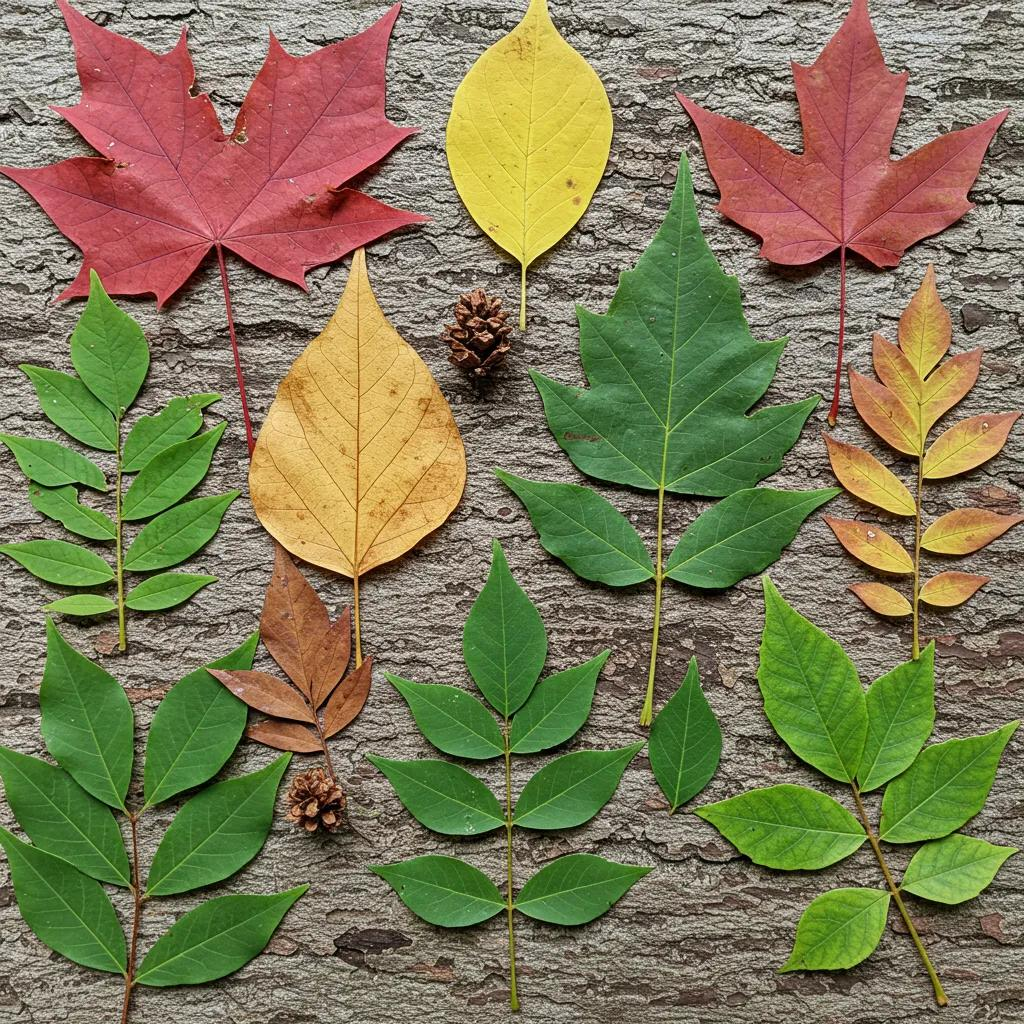
Leaves exhibit a wide range of shapes, margins, and arrangements. The following table highlights common leaf types:
| Leaf Type | Arrangement | Example Species |
|---|---|---|
| Simple, lobed | Alternate | Red Maple (distinctive three major lobes) |
| Compound, pinnate | Opposite | Black Walnut (features 15–23 leaflets) |
| Simple, star-shaped | Alternate | Sweetgum (easily recognized by its five-pointed star shape) |
| Needle cluster of three | Fascicled | Loblolly Pine |
| Simple, serrated | Alternate | River Birch |
Studying leaf morphology and arrangement clarifies species distinctions and naturally leads into analyzing bark characteristics.
How Can Bark Texture and Color Distinguish Tree Species?
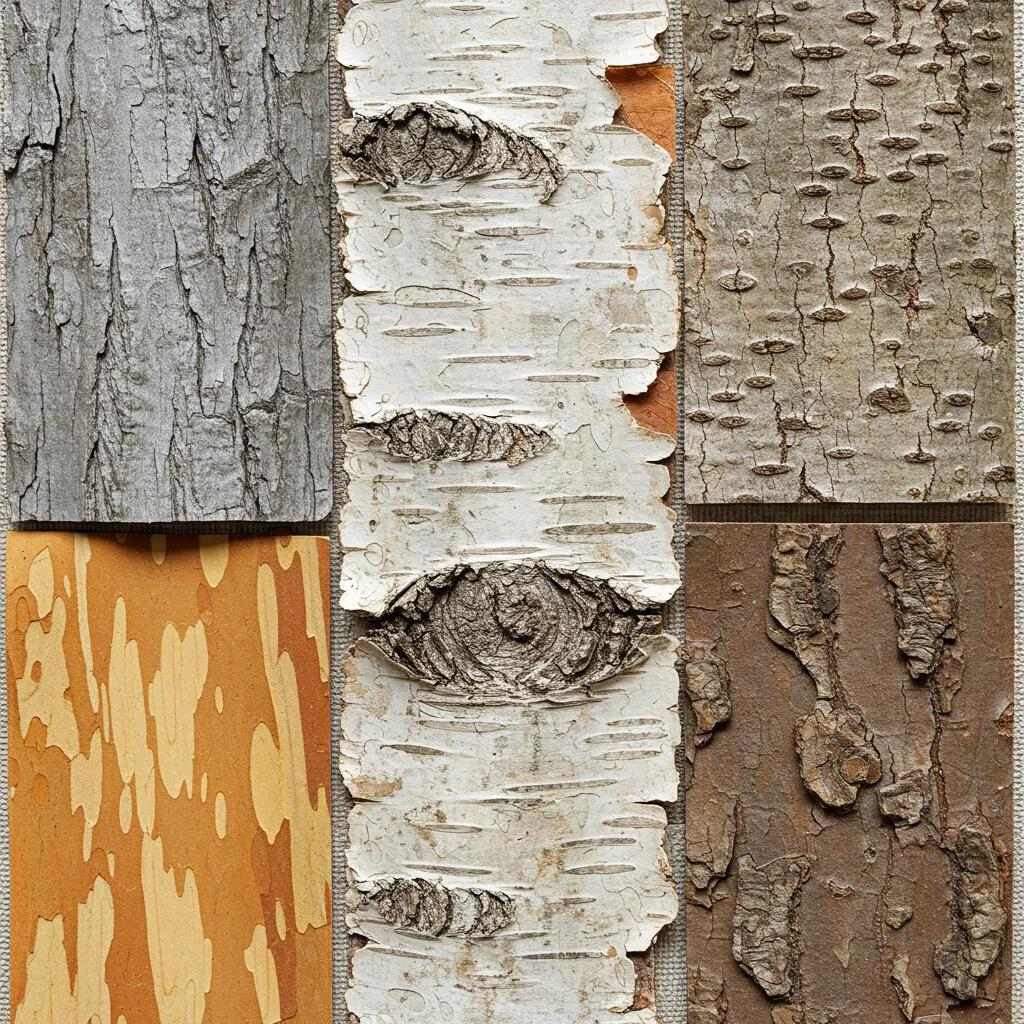
Bark offers valuable year-round clues through its texture, thickness, and color:
- Smooth, gray bark is characteristic of the American Beech
- Peeling, cinnamon-brown bark indicates the River Birch
- Deeply furrowed, dark plates are a hallmark of the Yellow Poplar
- Shallow, scaly plates suggest a Red Maple
- Thick, rough blocks define the bark of mature Loblolly Pine
These tactile features often remain visible even when leaves have fallen, aiding in winter identification.
What Winter Identification Clues Do Twigs and Buds Provide?
When leaves are absent, twigs and buds become essential identification markers:
- Bud arrangement (opposite or alternate) helps narrow down species groups
- Bud size and shape (pointed or rounded) further refine identification
- Twig color and lenticel patterns can indicate maturity and species
- The presence of false terminal buds helps distinguish ash trees from dogwoods
Observing these features completes the morphological picture when foliage is no longer present.
How Do Flowers and Fruits Aid in Tree Identification?
Seasonal blooms and seed structures often provide unmistakable identification cues:
- Tulip-shaped, greenish-yellow flowers identify the Yellow Poplar
- Spiky, woody gumballs are characteristic of the Sweetgum
- Winged samaras, often called “helicopters,” indicate maple species
- Pine cones help differentiate pine species by their size and scale patterns
- Nut husks and burs point towards hickory and walnut trees
Tracking reproductive parts enhances recognition accuracy during their respective blooming and fruiting periods.
Why Is Overall Tree Shape Important for Identification?
A tree’s silhouette and branching habit—whether rounded, pyramidal, or vase-shaped—reflect its inherent growth patterns and can help narrow down species possibilities. For instance:
- Narrow, columnar crowns are typical of Loblolly Pine or Cypress
- Broad, spreading crowns are characteristic of mature oaks
- A vase-shaped form is a defining feature of the American Beech
Profiling a tree by its overall outline integrates multiple characteristics into a cohesive identification.
How to Identify Key North Carolina Tree Species: Detailed Profiles
Below are detailed profiles of six common NC trees, highlighting their defining features, typical issues, and recommended care practices.
How to Identify Yellow Poplar (Liriodendron tulipifera) by Leaf and Bark?
- Leaves: Distinctive four lobes with a truncated tip, bright green, turning golden in autumn
- Bark: Smooth and gray on young trees, developing deep furrows and scaly ridges with age
- Flowers: Tulip-like, greenish-yellow with orange banding, appearing in spring
- Fruit: Cone-shaped aggregate of samaras
Common problems include verticillium wilt and storm damage due to shallow root systems. Pruning during dormancy helps prevent limb failure and improves air circulation.
What Are the Distinctive Characteristics of Loblolly Pine?
- Needles: Bundles of three, 6–9 inches long, and stiff
- Bark: Dark brown, thick plates with orange inner bark visible when cut
- Cones: Conical, 3–6 inches long, with slender scales
- Crown: Narrow and conical when young, becoming irregular with age
This pine benefits from strategic thinning to reduce the risk of storm damage and requires periodic health checks to detect issues like pitch canker.
How to Recognize Red Maple Trees in NC?
- Leaves: Three to five lobes with serrated edges, often displaying vibrant red new growth
- Bark: Smooth and light gray on young trees, developing shallow ridges as it matures
- Flowers: Red clusters appear in early spring before the leaves emerge
- Samaras: Opposite wings form the characteristic “helicopter” seeds
Corrective pruning helps maintain structural integrity and mitigate competition within the crown.
What Features Distinguish Sweetgum Trees and Their Fruits?
- Leaves: Five pointed lobes with a glossy surface, turning red to purple in autumn
- Fruit: Rigid, spherical gumballs, typically 1–2 inches in diameter
- Bark: Gray with shallow fissures, maturing into blocky plates
- Shape: Symmetrical, pyramidal crown
Regular removal of lower gumballs and crown thinning can help prevent fungal rot and improve safety in street-side locations.
How to Identify River Birch by Its Peeling Bark and Leaves?
- Bark: Papery, peeling sheets in attractive shades of salmon, cinnamon, and cream
- Leaves: Doubly serrated margins, ovate shape, measuring 4–6 inches long
- Catkins: Both male and female catkins appear in clusters in early spring
- Habitat: Thrives in moist soils, often found along stream banks and in low-lying areas
Mulching the root zone and selective pruning help maintain health and reduce the risk of bark decay.
What Are the Identification Signs of American Beech Trees?
- Bark: Unbroken, smooth, light gray surface that persists even in maturity
- Leaves: Elliptical with shallow teeth, 4–8 inches long, turning copper in fall
- Nuts: Small triangular beechnuts enclosed in spiny burs
- Structure: Dense canopy with distinctly horizontal branches
Care should be taken to avoid damaging the smooth trunk, and canopy inspections are recommended to prevent limb failures.
What Common Tree Diseases and Problems Affect NC Tree Species?
North Carolina’s trees are susceptible to various fungal diseases, invasive pests, and environmental hazards. Early detection of symptoms is key to initiating timely professional intervention.
How to Spot Verticillium Wilt and Other Diseases in NC Trees?
- Leaf yellowing and wilting, often affecting one side of the crown
- Branch dieback that progresses from the tips inward
- Epicormic shoots emerging from the trunk base as a stress response
Regular health assessments can reveal early signs of cankers and infections, allowing for targeted fungicide treatments.
What Are Signs of Pest Infestations Like Emerald Ash Borer?
- D-shaped exit holes visible in the bark
- Serpentine galleries found just beneath the bark surface
- Thinning canopy and the appearance of epicormic shoots
Integrated pest management strategies and ongoing tree health monitoring are essential for preventing spread and protecting surrounding trees.
When Should You Be Concerned About Storm Damage or Structural Issues?
- Visible cracks or splits in the trunk or major limbs
- Hanging dead branches or torn bark
- An excessive lean that goes beyond the tree’s natural growth angle
A professional structural risk assessment can determine if cabling, bracing, or removal is necessary.
When and Why Should You Call an Arborist for NC Tree Care?
Engaging a certified arborist ensures safety, promotes tree health, and protects your property when warning signs appear or specialized care is required.
What Are the Warning Signs That Your Tree Needs Professional Care?
- Dead or precariously hanging branches in the canopy
- Fungal conks or mushrooms growing at the base of the tree
- Trunk cavities, significant splits, or unstable root plates
- Sudden, unexplained leaf drop outside of normal seasonal patterns
Expert evaluation can prevent accidents and help preserve valuable mature trees.
How Can Professional Tree Pruning Improve Tree Health?
- Removes diseased and crossing limbs to improve airflow and light penetration
- Shapes the structure for balanced weight distribution and wind resistance
- Stimulates new, healthy growth and flowering
- Reduces the risk of branch failure during severe weather
Performing pruning at the optimal time in late winter maximizes wound closure and minimizes the entry points for pests.
When Is Tree Removal Necessary for Safety and Property Protection?
- Irreversible structural defects that pose a threat to people or property
- Advanced decay that compromises the trunk’s integrity
- A hazardous lean or significant root damage that presents an imminent danger
An arborist’s removal plan typically includes stump grinding and thorough site restoration.
How Does a Tree Health Assessment Help Prevent Future Problems?
A comprehensive assessment includes:
- Soil testing to identify nutrient imbalances
- Scouting for pests and diseases throughout the canopy
- Structural inspection of the trunk and root zone
- Development of a customized care plan with a maintenance schedule
Regular assessments can significantly reduce long-term costs by identifying and addressing issues in their early stages.
How Does Henry’s Tree Service Support NC Tree Identification and Care?
Henry’s Tree Service offers expert knowledge and dependable solutions to residential and commercial clients, extending its services beyond its Western Massachusetts and Connecticut base.
What Tree Care Services Does Henry’s Tree Service Offer for NC Trees?
- Expert tree identification and comprehensive health assessments
- Precision pruning and strategic crown thinning
- Safe and efficient removal of hazardous trees
- Targeted disease treatment and effective pest management
- Rapid response for emergency storm damage
Every service is performed using industry-standard safety protocols and by certified arborists.
How Can You Get a Free Estimate or Arborist Consultation?
You can schedule a no-obligation arborist visit by contacting the Henry’s Tree Service office directly or by completing the contact form on their website. A certified tree specialist will visit your property, discuss your needs, and provide a clear, transparent estimate.
Why Trust Henry’s Tree Service for Professional and Safe Tree Care?
With decades of combined experience, full insurance coverage, and active membership in leading arboriculture associations, Henry’s Tree Service demonstrates unwavering reliability and expertise. Their commitment to safety, clear customer communication, and environmentally sound practices ensures exceptional results.
How Can You Use This Guide to Identify and Care for Your NC Trees?
Empower yourself with the right tools, consistent monitoring habits, and supplementary resources to maintain healthy trees throughout the year.
What Tools and Visuals Help You Identify NC Tree Species Accurately?
- A hand lens for detailed examination of leaf venation and bud scales
- A bark identification card or field guide featuring high-quality photographs
- A pruning saw for safely removing small branches for closer inspection
- Comparison tables and infographics that outline key distinguishing features
These aids streamline on-site identification and facilitate seasonal comparisons.
How to Monitor Your Trees for Health and Growth Changes?
- Conduct quarterly crown surveys to check for discoloration or dieback
- Inspect bark and root collars for any signs of damage or fungal growth
- Note the timing of flowering and fruiting in relation to expected seasonal patterns
- Maintain a journal documenting pruning, fertilization, and soil amendment activities
Consistent monitoring helps detect subtle changes before they escalate into significant problems.
Where to Find Additional Resources and Local Tree Identification Help?
Consult local extension services, university arboretums, and professional arborist associations for workshops, online galleries, and expert advice. Local botanical centers often host identification clinics that complement this guide and foster community support.
Trees significantly enhance property value, ecological health, and aesthetic appeal when they are correctly identified and properly maintained. By applying the techniques outlined in this guide and partnering with Henry’s Tree Service for expert assessments, pruning, or removal, you can ensure your trees remain healthy and resilient. Start today by evaluating your landscape and reaching out for a free estimate to secure your trees’ future.