Understanding North Carolina's Native Trees: A Competitive Landscape
- Leading resources for identifying North Carolina’s native trees, such as A-Z Animals, Gardenia.net, NC State Extension, and the NC Wildlife Federation, typically feature comprehensive species lists, identification techniques, and ecological insights. These often include regional breakdowns for the Mountains, Piedmont, and Coastal Plain, presented as detailed listicles of 8–12 trees, visual guides, or simplified keying systems. Most articles surpass 1,500 words and are enhanced with high-quality imagery.
- Prominent search results often showcase featured snippets in the form of bulleted lists highlighting top species, comparison tables detailing leaf versus bark characteristics, and step-by-step instructions for dichotomous keys. Frequently asked questions in “People Also Ask” sections commonly revolve around identifying common North Carolina trees and general tree identification methods.
- A notable gap among these competitors is the infrequent inclusion of direct calls to action for professional tree care services or interactive identification tools. Their focus leans heavily towards general educational content, leaving an opportunity to emphasize actionable service solutions and expert guidance.
Deep Dive into Competitor Strategies & Our Unique Approach
Identifying Content Opportunities
- Interactive identification tools, like visual quizzes or dynamic dichotomous keys, are largely absent.
- There’s limited integration of professional care service recommendations following the identification process.
- Coverage of identification nuances related to seasonal changes and tree maturity is often superficial.
- Proprietary images and detailed comparison charts for distinguishing similar species are rarely featured.
Our Strategy for Standing Out
- We will highlight Henry’s Tree Service’s certified arboricultural expertise and our unwavering commitment to safety standards in identifying and caring for native trees.
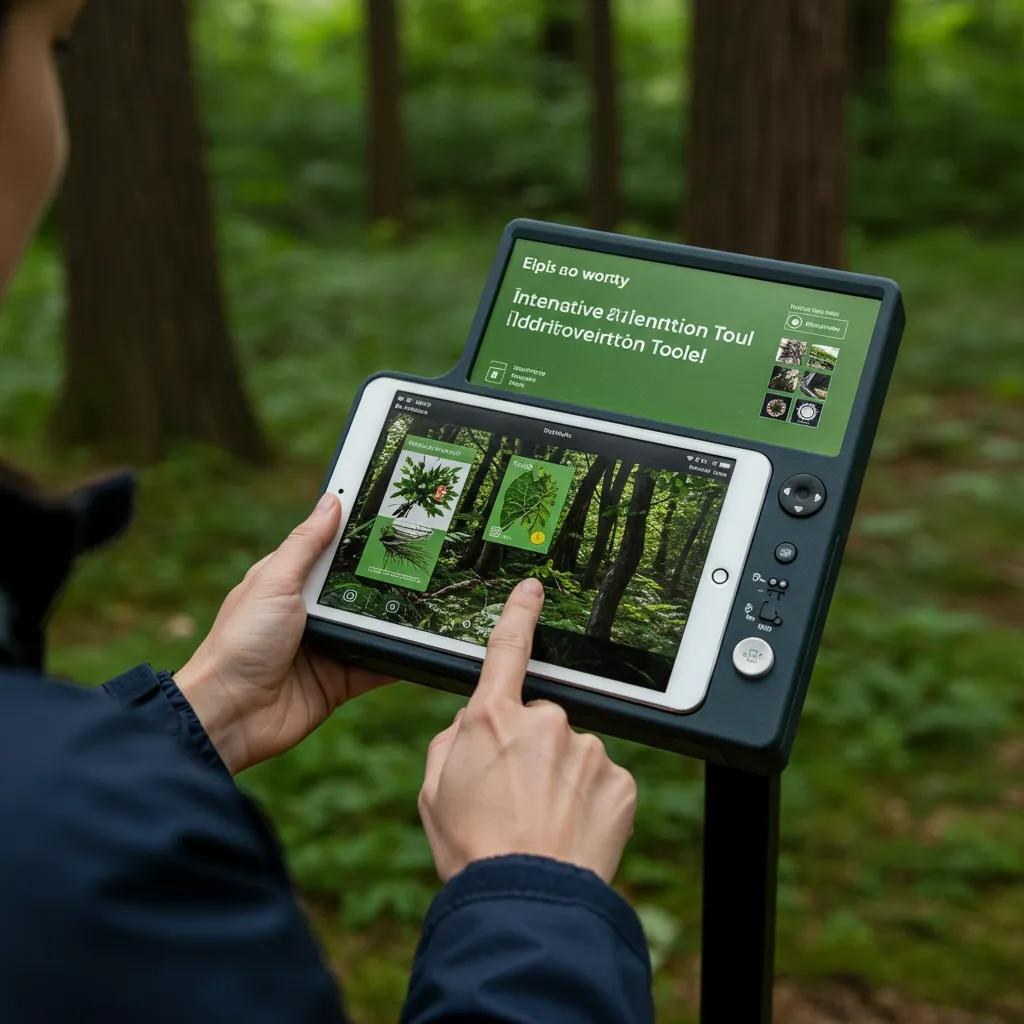
- We will introduce an innovative interactive dichotomous key, complete with clear, step-by-step guidance that seamlessly leads to tailored care recommendations.
- We will offer exclusive, high-resolution comparison charts, such as an attribute table distinguishing Sassafras from Dogwood leaf margins, and showcase our unique photography.
- Each species profile will include a “When to Call Henry’s Tree Service” section, positioning professional assessment as the logical next step for optimal tree health.
Establishing Authority Through Indirect Comparison
- Instead of directly naming competitors, we will refer to “some guides” that fall short in providing actionable care advice.
- We will use phrases like, “Moving beyond typical regional lists,” or “Our approach extends beyond basic identification to integrate comprehensive health assessments…”
- We will reference industry growth, such as the projected 14 percent CAGR in the tree-care market through 2029, to underscore the critical value of professional expertise in managing native trees.
Crafting Our Content's Semantic Structure
- Each paragraph will conclude by subtly introducing the next topic, for example: “Distinctive leaf shapes are key to species identification; understanding bark textures further refines this insight, revealing patterns across seasons.”
- Lists and tables will be structured using an attribute-value logic, featuring domain-specific headers. These will be preceded by introductory context paragraphs and followed by concise summaries that transition smoothly into the subsequent subject matter.
- The initial paragraph under each H2 heading will define the topic, explain its mechanism, and outline its benefits, before expanding horizontally to cover attributes and vertically to detail sub-points, ensuring both comprehensive coverage and in-depth understanding.
- Narrative transitions will follow a logical flow from general concepts to specific attributes, then to relationships, and finally to the next topic, maintaining a cohesive and semantically connected experience throughout.
Mobile Dichotomous Key App as a Museum Learning Tool
Using a mobile dichotomous key iPad application as a scaffolding tool in a museum setting, RS Davies, 2016