
North Carolina’s Trees: Your Visual Guide to Native Species and Their Care
From the sandy shores of the coast to the rolling hills of the Piedmont and the majestic peaks of the Appalachian Mountains, North Carolina is home to a stunning array of native trees that shape our landscapes and ecosystems. Knowing how to identify these trees empowers you to make smarter choices for your property, from planning your landscaping to protecting your trees from disease and supporting local wildlife. This guide, filled with images of common North Carolina trees, will show you how to tell apart key deciduous and evergreen species by their leaves, bark, flowers, and fruits. You’ll learn to use simple identification tools, discover which trees thrive in different parts of the state, spot common pests and diseases, and get practical advice for keeping your trees healthy. With the same expert knowledge that Henry’s Tree Service brings to tree care in North Carolina, Western Massachusetts, and Connecticut, you’ll gain confidence in assessing tree health and maintaining beautiful, strong trees on your property.
What Are the Most Common Native Trees in North Carolina?
Native deciduous and evergreen trees cover over 18.8 million acres of North Carolina’s forests, forming iconic oak-hickory and pine ecosystems. These trees are vital for soil health, provide essential food for wildlife, and create breathtaking autumn color displays. For instance, the Red Maple thrives in damp areas, while the Loblolly Pine forms extensive stands across the landscape. Understanding these widespread species is your first step toward accurate identification and tailored care.
Which Deciduous Trees Are Native to North Carolina?
Deciduous trees, known for their broad leaves that change color and fall each year, play a crucial role in nutrient cycling and adding seasonal beauty. Key native deciduous trees like Red Maple, Sweetgum, American Beech, and various Oaks offer valuable food sources for wildlife and enhance the visual appeal of any landscape.
- Red Maple (Acer rubrum) thrives in moist soils, often found near streams, and is celebrated for its brilliant red fall foliage.
- Sweetgum (Liquidambar styraciflua) is adaptable to compacted soils and is recognized by its distinctive star-shaped leaves and spiky, ball-like seed pods.
- American Beech (Fagus grandifolia) is characterized by its smooth, gray bark and provides dense shade, typically found in upland forests.
- White Oak (Quercus alba) and Scarlet Oak (Quercus coccinea) are distinguished by their deeply lobed leaves and are valued for their strong hardwood.
These species contribute significantly to forest structure and ecological resilience, paving the way for understanding our native evergreens.
Which Evergreen Trees Are Common in North Carolina?
Evergreen trees keep their foliage throughout the year, offering continuous screening and vital habitat during winter months. Common examples include Loblolly Pine, Eastern Red Cedar, Fraser Fir, and Southern Magnolia.
- Loblolly Pine (Pinus taeda) features long needles grouped in threes and grows rapidly on upland sites, making it a dominant softwood species.
- Eastern Red Cedar (Juniperus virginiana) has scale-like foliage and produces blue, berry-like cones, thriving even in challenging soil conditions.
- Fraser Fir (Abies fraseri) is found at higher elevations and is known for its flat, silvery needles and classic conical shape.
- Southern Magnolia (Magnolia grandiflora) boasts glossy evergreen leaves and produces large, fragrant white blossoms, particularly common in coastal areas.
Together with deciduous trees, these evergreens provide year-round food and ornamental value.
How Can You Identify North Carolina’s Key Tree Species by Their Leaves and Bark?
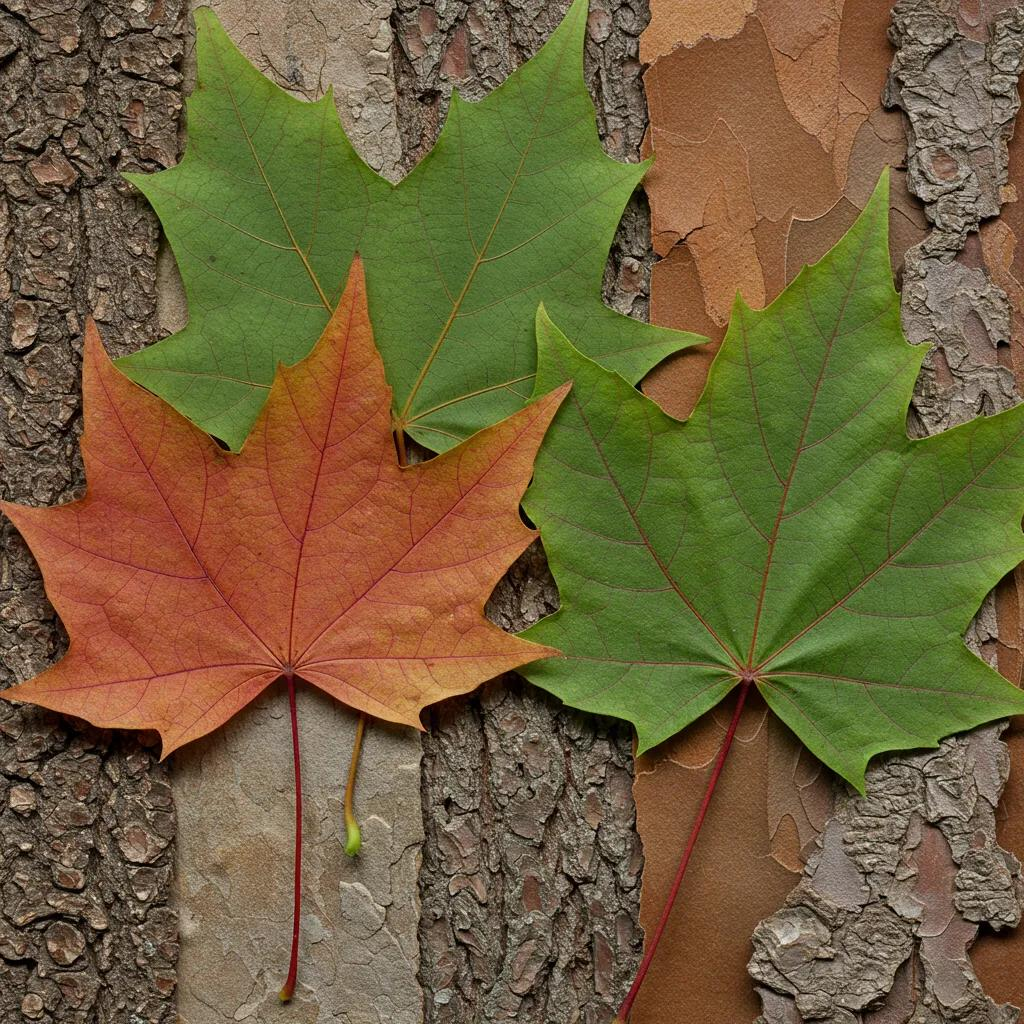
The shape and vein patterns of leaves, along with the texture of bark, are your primary tools for identifying trees. Broad, lobed leaves with V-shaped indentations often point to maples or oaks, while the arrangement of needles and the type of cones help distinguish pines and firs. Notice how the smooth, silvery bark of a young American Beech differs dramatically from the deeply furrowed bark of a mature Red Maple. Mastering these visual clues not only aids identification but also helps you spot early signs of disease and understand proper pruning techniques to keep your trees healthy.
How Do You Identify North Carolina Trees Using Visual Characteristics?
Accurate tree identification comes down to a careful look at leaves, bark, flowers, fruits, and the tree’s overall form. By systematically observing these key features, you can simplify the process of recognizing trees and making informed decisions about their care.
What Leaf Shapes and Arrangements Help Identify NC Trees?
Leaves can be simple or compound, with edges that are smooth, toothed, or lobed. Observing how leaves are arranged on the stem—whether they are alternate, opposite, or in whorls—can quickly narrow down the possibilities.
- Leaves that are opposite, simple, and have toothed margins with three to five lobes often belong to Red Maple or Sweetgum.
- Alternate, compound leaves suggest you might be looking at an ash or walnut tree.
- Needles grouped in bundles of two, three, or five are characteristic of pine species, while single, flat needles typically indicate firs or cedars.
Understanding these leaf patterns is essential for precise species identification and for developing effective care strategies.
How Does Bark Texture Vary Among North Carolina Tree Species?
Bark offers reliable identification clues year-round. Young Sweetgum and American Beech trees have smooth, gray bark that develops into furrows or corky ridges as they mature. Loblolly Pine bark typically forms irregular, scaly plates with deep fissures, while Eastern Red Cedar bark peels away in thin, fibrous strips. Recognizing these textures can help estimate a tree’s age and assess its structural integrity, which is crucial for safe pruning or removal decisions.
What Role Do Flowers and Fruits Play in Tree Identification?
The seasonal appearance of flowers and fruits provides definitive confirmation of a tree’s identity. Red Maple trees display clusters of small red flowers in late winter before their leaves emerge, while Yellow Poplars are known for their distinctive tulip-shaped blooms. The spiky gumballs of Sweetgum and the acorns of White Oak are easily recognizable markers that persist long after the leaves have fallen. Keeping track of these flowering and fruiting cycles can also help predict seed dispersal patterns and understand wildlife interactions.
How to Use a Dichotomous Key for North Carolina Tree Identification?
A dichotomous key is a valuable tool that guides you through a series of paired choices based on a tree’s characteristics, from leaf arrangement to fruit type. By answering simple questions, such as “Are the leaves arranged opposite or alternate on the stem?”, you can systematically work your way to identifying a specific species. Using keys designed for North Carolina trees makes the identification process even more straightforward in the field, boosting your confidence in managing your tree inventory and care plans.
Which Deciduous Trees Are Native to North Carolina and How to Recognize Them?
North Carolina’s native deciduous trees display a wide range of leaf shapes, bark textures, and habitat preferences, making a closer look at each type essential for proper identification.
How to Identify Red Maple (Acer rubrum) with Photos and Key Features
The Red Maple is a fast-growing hardwood easily identified by its three-lobed leaves with serrated edges and V-shaped sinuses. Its bark is smooth and gray on young trees, becoming shallowly furrowed with age. The tree’s distinctive red flowers appear in late winter, followed by paired, winged seeds (samaras) in spring. This combination of leaf shape, bark characteristics, and reproductive structures makes the Red Maple stand out in mixed forests.
What Are the Characteristics of Sweetgum (Liquidambar styraciflua)?
Sweetgum trees are recognized by their distinctive star-shaped leaves, which have five pointed lobes and serrated margins. As the tree matures, its bark develops deep furrows and corky ridges. The unique, spiky seed balls, often called “gumballs,” remain on the tree through winter, aiding identification even after the leaves have fallen. Sweetgum’s adaptability to urban environments and its unique fruit make it a valuable landscape and ecological species.
How to Recognize American Beech (Fagus grandifolia) in North Carolina?
American Beech trees have simple, alternate leaves with finely serrated margins and prominent parallel veins. Their smooth, silver-gray bark remains consistent even on old trees, often showing distinctive deer-scratched patterns in wild areas. The tree produces nuts enclosed in a spiny burr that drops in the fall. The combination of its leaf venation and unbroken bark surface is key to identifying this species in both mountain and Piedmont forests.
What Oak Species Are Common in North Carolina and How to Identify Them?
North Carolina is home to several important oak species, including White Oak, Scarlet Oak, and Southern Red Oak. White Oak leaves typically have rounded lobes and a pale underside, while Scarlet Oak leaves feature deep sinuses and pointed lobes. Southern Red Oak leaves often have bristle tips and a glossy upper surface. Examining the scale patterns on the acorn cups and the shape of the acorn caps can further help distinguish these valuable timber and restoration species.
Which Evergreen Trees Are Native to North Carolina and How to Identify Them Visually?
Evergreen trees, with their persistent needles or broad leaves, are crucial for year-round visual interest, screening, and habitat.
How to Identify Loblolly Pine (Pinus taeda) with Images and Features
Loblolly Pine is characterized by its needles, which grow in bundles of three and measure 6–9 inches long, often with a slight twist. Its cones are oval-shaped with prickly scales. Mature trees develop thick, plated bark separated by deep fissures. The rapid growth and easily identifiable needle bundles make the Loblolly Pine a dominant softwood species in the Piedmont and Coastal Plain regions.
What Are the Visual Traits of Eastern Red Cedar (Juniperus virginiana)?
Eastern Red Cedar trees display scale-like leaves arranged in opposite pairs, though juvenile foliage may be awl-shaped. Female trees produce blue, waxy cones that resemble berries. The reddish, aromatic heartwood and the distinctive fibrous bark that peels in narrow strips are unmistakable features. These traits make it well-suited for windbreaks and wildlife habitat plantings.
How to Recognize Fraser Fir (Abies fraseri) in North Carolina?
Fraser Fir trees have flattened needles that attach singly to the branches, featuring two white bands on the underside. Their cones stand upright on the twigs and break apart at maturity. Young stems have smooth bark dotted with resin blisters. Found primarily at high elevations, the needle arrangement and upright cone orientation clearly distinguish the Fraser Fir from true pines and spruces.
What Are the Key Features of Southern Magnolia (Magnolia grandiflora)?
Southern Magnolia trees are known for their large, glossy evergreen leaves, which have a distinctive brownish, woolly underside. In the summer, they produce large, fragrant, white flowers shaped like tulips. In the fall, their fruit pods open to reveal bright red seeds. The combination of persistent broad leaves and showy blooms makes it a standout ornamental tree in coastal and Piedmont gardens.
How Do North Carolina’s Regions Affect Tree Species Distribution and Identification?
The unique soil types, elevations, and climates across North Carolina’s Appalachian Mountains, Piedmont, and Coastal Plain create distinct environments that favor specific tree species.
Which Trees Are Native to the Appalachian Mountains Region?
High-elevation areas in the Appalachian Mountains are home to species like Fraser Fir, Eastern Hemlock, Yellow Buckeye, and Red Spruce. The cool temperatures and acidic soils in these regions support these conifers, as well as mixed hardwoods such as Birch and Mountain Ash. Identifying the characteristic needle bands of firs and the drooping leader stems of hemlocks helps confirm these montane species.
What Are the Common Tree Species in the Piedmont Region?
The Piedmont region, with its rolling terrain and moderate rainfall, supports a mix of hardwood and pine forests. Common species include Loblolly Pine plantations, various Oaks, Hickories, and Red Maple. Observing leaf lobing patterns and pine needle bundles are reliable ways to distinguish species within these mixed stands.
Which Trees Grow in the Coastal Plain Region of North Carolina?
The Coastal Plain forests are diverse, featuring Bald Cypress in swampy areas, Live Oak along the coast, and Sweetgum in alluvial soils. Distinctive cypress knees emerge from waterlogged ground, while the sprawling branches and evergreen foliage of Live Oak define the maritime forests. Recognizing these unique structural adaptations is key for successful coastal conservation and planting efforts.
What Are the Common Diseases and Pests Affecting North Carolina Trees?
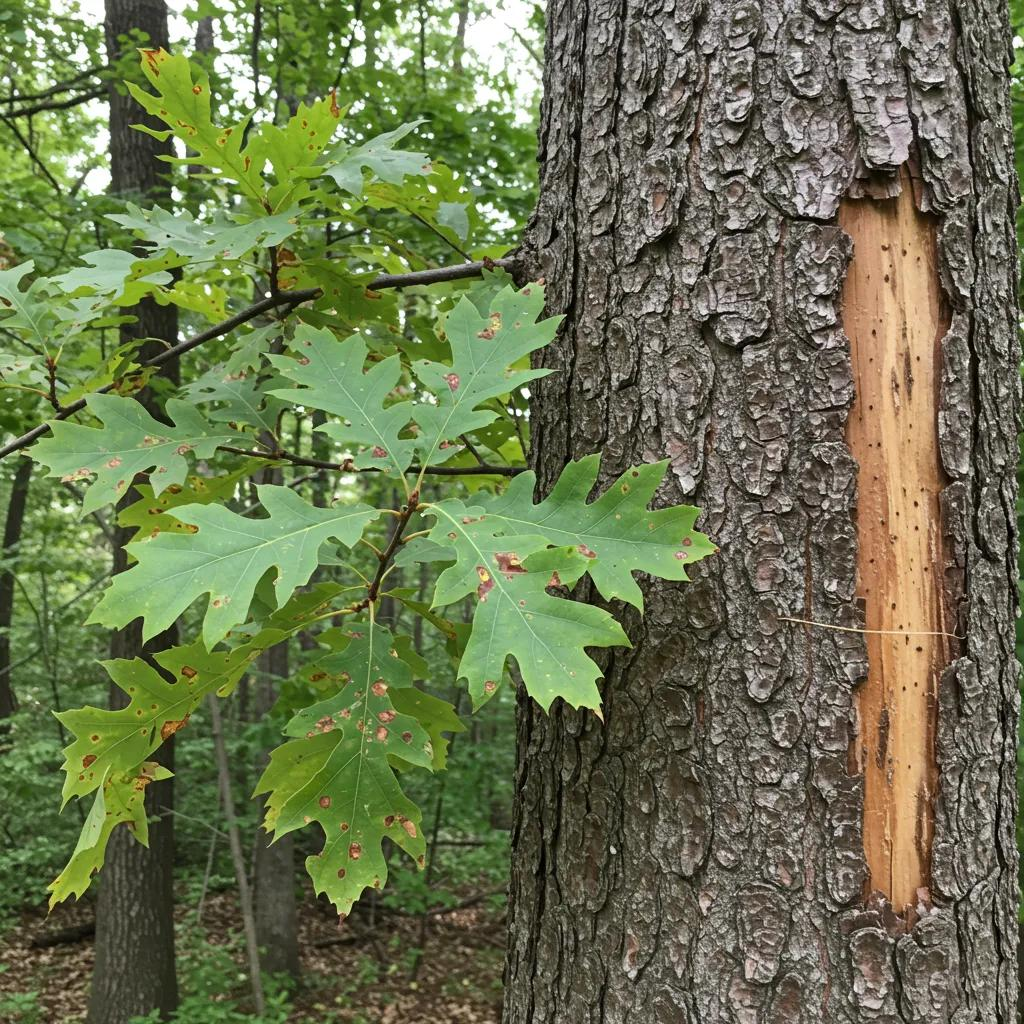
Diseases and insect pests, such as oak wilt and the emerald ash borer, pose significant threats to the health of North Carolina’s forests and landscape trees, making vigilant monitoring and proactive care essential.
How to Identify and Prevent Oak Wilt in North Carolina Trees?
Oak wilt is a serious disease that causes rapid wilting, bronzing of leaves, and canopy decline, particularly in Red and White Oaks. Signs include sap-flow mats under the bark and spore mats on infected trees. To prevent its spread, prune oak trees only during the dormant winter months and always disinfect your tools between cuts. Maintaining the tree’s overall health through proper mulching and watering can also boost its natural resistance.
What Is the Impact of Emerald Ash Borer and How to Manage It?
The Emerald Ash Borer larvae tunnel beneath the bark of Green and White Ash trees, disrupting nutrient flow and leading to thinning canopies. Infestations are typically identified by characteristic D-shaped exit holes and splitting bark. Effective management strategies include insecticide treatments, the use of biological controls, and the prompt removal of heavily infested trees to protect nearby ash specimens.
Which Other Pests and Diseases Commonly Affect NC Trees?
Other common threats to North Carolina trees include Armillaria root rot, dogwood anthracnose, and various pine bark beetles. Armillaria root rot often presents with honey-colored mushrooms at the base of the tree. Dogwood anthracnose typically causes leaf spots on Dogwood trees, while pine bark beetles leave sawdust-like frass in bark crevices. Early detection through regular tree inspections is crucial for successful treatment, which may involve fungicides, insecticides, or professional pruning.
What Are the Best Tree Care Tips for North Carolina Native Species?
Proper pruning, consistent watering, and regular health assessments are vital for maintaining the structural integrity, promoting healthy growth, and preventing disease outbreaks in native North Carolina tree species.
How to Properly Prune Deciduous Trees Native to North Carolina?
Prune deciduous trees during their dormant season to minimize stress and reduce the risk of pathogen entry. Focus on removing branches that are crossing, dead, or weakly attached. Always use clean, sharp pruning tools and be careful to preserve the branch collar and the tree’s natural shape. Correct pruning techniques encourage the development of strong main branches and significantly reduce the likelihood of storm damage.
What Are the Watering and Maintenance Needs of NC Evergreen Trees?
Evergreen trees, such as Fraser Fir and Eastern Red Cedar, require consistent deep watering, especially during their establishment phase and periods of drought. Applying mulch around the base of the tree, extending out to the drip line, helps conserve soil moisture and regulate soil temperature. Regularly inspect your evergreens for any signs of needle discoloration or fungal issues, adjusting your watering schedule and applying preventive fungicides as needed.
How Does Understanding Tree Identification Improve Tree Health Care?
Accurate tree identification is the foundation for effective tree care. Knowing the specific species allows you to tailor pruning schedules, implement targeted pest management strategies, and adjust care based on its preferred soil conditions. Understanding a tree’s native habitat and growth habits guides your decisions on fertilization, mulching, and irrigation, ultimately leading to healthier, more resilient trees and reducing unnecessary costs.
How Can Henry’s Tree Service Help with Tree Health Assessment and Care?
Henry’s Tree Service applies the same detailed botanical knowledge used in this North Carolina guide to provide expert tree health assessments, precise pruning, and reliable disease management services in Western Massachusetts and Connecticut. Our team of certified arborists utilizes advanced diagnostic tools and environmentally sound practices to ensure the safety, beauty, and ecological health of your trees. Contact us today for a personalized estimate and to schedule a service appointment that will protect your valuable landscape investment.
Effective tree identification and care begin with carefully observing leaves, bark, and regional characteristics to accurately distinguish native species. By combining visual guides, identification keys, and species-specific care advice, property owners can significantly enhance their landscape’s vitality and protect their trees from pests and diseases. Applying this botanical expertise in your own yard leads to smarter pruning, more effective watering, and earlier detection of potential problems. Trust Henry’s Tree Service to transform our expertise into dependable tree health solutions that support vibrant, resilient landscapes all year long.