
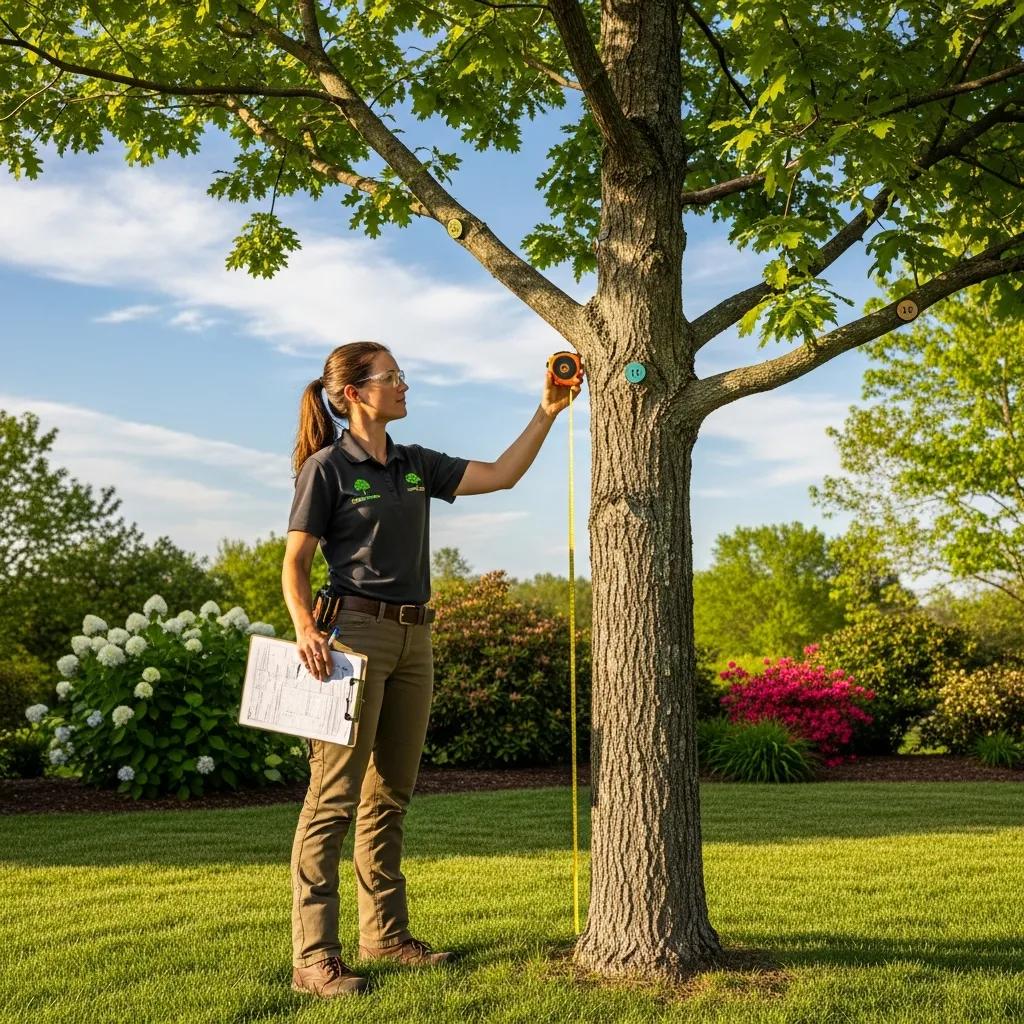
Enhance Curb Appeal and Property Value Through Expert Tree Care
Professional residential tree services provide homeowners with safety, improved property value, and long-term tree health through expert diagnosis, targeted treatments, and safe removal when necessary. This article explains how certified arborists assess risk, what practical measures protect homes from storm and structural hazards, and how regular maintenance preserves landscape value and curb appeal. Many homeowners face recurring issues—leaning trunks, root heave, diseased canopy—that threaten structures, utilities, and family safety; professional crews mitigate these problems with trained assessments and specialized equipment. Readers will learn which hazards arborists prioritize, how pruning and stump work affect marketability, what diagnostic steps support tree longevity, and which tools pros use to reduce liability. The guidance integrates actionable checklists, EAV comparison tables for equipment and aesthetic interventions, and clear examples of why DIY approaches often introduce hidden costs. Throughout, keywords like residential tree services, certified arborist, tree pruning, tree removal, stump grinding, and emergency tree service are used to make practical recommendations and support homeowner decisions.
How Does Professional Tree Care Enhance Safety for Your Home?
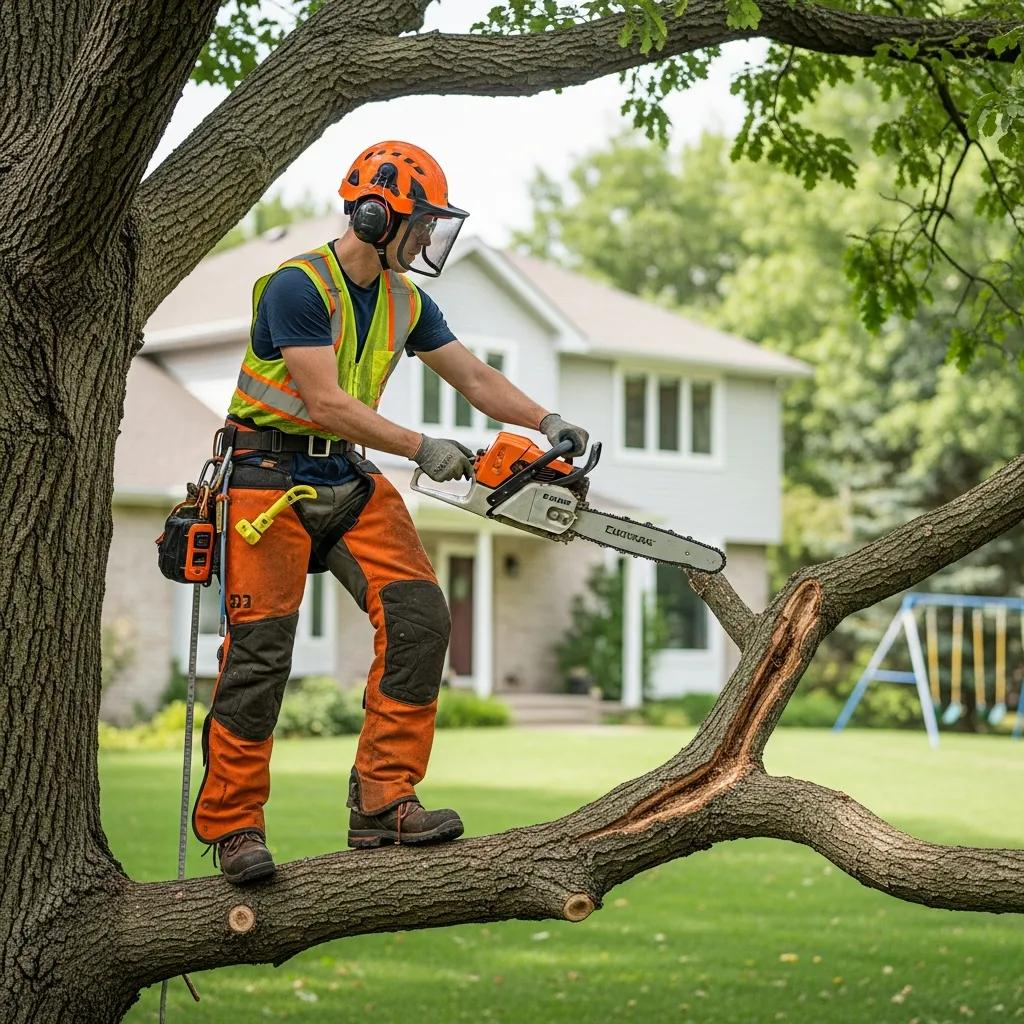
Professional tree care enhances home safety by identifying structural risks, removing unstable limbs, and planning interventions that prevent property damage and personal injury. Certified arborists perform systematic risk assessments that include trunk inspections, root zone evaluation, and canopy stability checks to determine the likelihood of failure. These assessments translate into prioritized action plans—pruning, cabling, or removal—to reduce immediate hazards and long-term liabilities for homeowners. The following list outlines common hazards professionals mitigate and why addressing them early protects people and property.
Certified arborists routinely inspect for these threats and translate findings into treatment plans that lower insurance claims and neighborhood risk. For example, identifying internal decay early can convert a costly emergency removal into a scheduled, controlled operation that minimizes collateral damage. Understanding which hazards matter most naturally leads to specific inspection signs and preventive tactics described next.
What Hazards Do Certified Arborists Identify and Mitigate?
Certified arborists identify decay, cracks, excessive lean, root damage, and canopy defects that often precede structural failure. They use visual assessment, sound testing, and knowledge of species-specific failure modes to detect hidden rot and compromised attachment points before branches fall. Early diagnosis allows for targeted pruning or reinforcement—such as selective crown reduction or installation of support systems—that preserves safe form while maintaining tree health. A short micro-case: spotting root girdling and recommending corrective root pruning prevented foundation uplift and reduced drainage issues for one suburban property.
These inspection practices form the basis for preventive plans that emphasize maintenance frequency and follow-up checks. Recognizing these hazard cues also informs whether stump grinding or full tree removal provides the safest outcome for a given situation.
How Do Experts Prevent Storm Damage and Emergency Tree Risks?
Experts prevent storm-related tree risks through scheduled structural pruning, crown thinning, and corrective bracing that increase wind resistance and reduce sail effect during storms. Preventive trimming focuses on removing weak attachments, reducing oversized limbs, and improving branch architecture to limit targets for wind and ice. After severe weather, certified crews perform rapid triage to identify immediate threats, stabilize compromised trees, and safely remove hazardous material with minimal disruption. Homeowners benefit from established emergency protocols that prioritize life-safety, preserve salvageable trees, and restore access routes quickly.
These proactive steps reduce the frequency and severity of emergency interventions and support recovery planning for affected landscapes. The next section explains how maintained trees also translate directly into higher property value and improved curb appeal.
In What Ways Does Expert Tree Care Increase Property Value and Curb Appeal?
Well-maintained trees and targeted landscape care enhance curb appeal and can improve perceived and actual property value by creating attractive sightlines, shade, and healthy plantings. Healthy street trees, balanced canopies, and tidy stumps signal good maintenance to buyers and appraisers, often translating into measurable value uplifts. Professional actions—pruning for form, selective removal of diseased specimens, and strategic planting—improve aesthetics and energy performance, which can be persuasive in buyer decisions. The table below compares common tree-care actions, their aesthetic or functional attribute, and the typical homeowner benefit in market terms.
Different tree-care actions deliver specific curb appeal and value outcomes.
| Action | Attribute | Value to Homeowner |
|---|---|---|
| Pruning for structure | Improved silhouette and light penetration | Enhances visual appeal and garden usability |
| Removal of hazardous trees | Eliminates safety liabilities and visual blight | Reduces buyer concerns and potential inspection objections |
| Replacement planting | Adds species diversity and shade | Boosts long-term landscape value and energy savings |
This comparison clarifies how selective interventions convert landscape quality into tangible homeowner benefits. The following subsection connects maintenance activities to market impacts with concise examples and data points.
How Does Healthy Tree Maintenance Boost Home Market Value?
Healthy tree maintenance boosts marketability by improving curb-first impressions, reducing perceived deferred maintenance, and offering functional benefits like shade that lower cooling costs. Studies and industry analyses often cite landscape quality as contributing a single-digit percentage increase in sale price, with well-kept trees and planned plantings among top value drivers. Routine actions—crown cleaning, removal of deadwood, and timely stump grinding—present as cost-effective investments when preparing a property for sale. Advising homeowners to document recent professional interventions helps corroborate maintenance during buyer inspections and strengthens asking-price rationale.
Clear maintenance records and visible outcomes reduce negotiation friction and demonstrate stewardship that many buyers prize. The next subsection explains the specific aesthetic gains delivered by professional pruning techniques.
What Are the Aesthetic Advantages of Professional Tree Pruning?
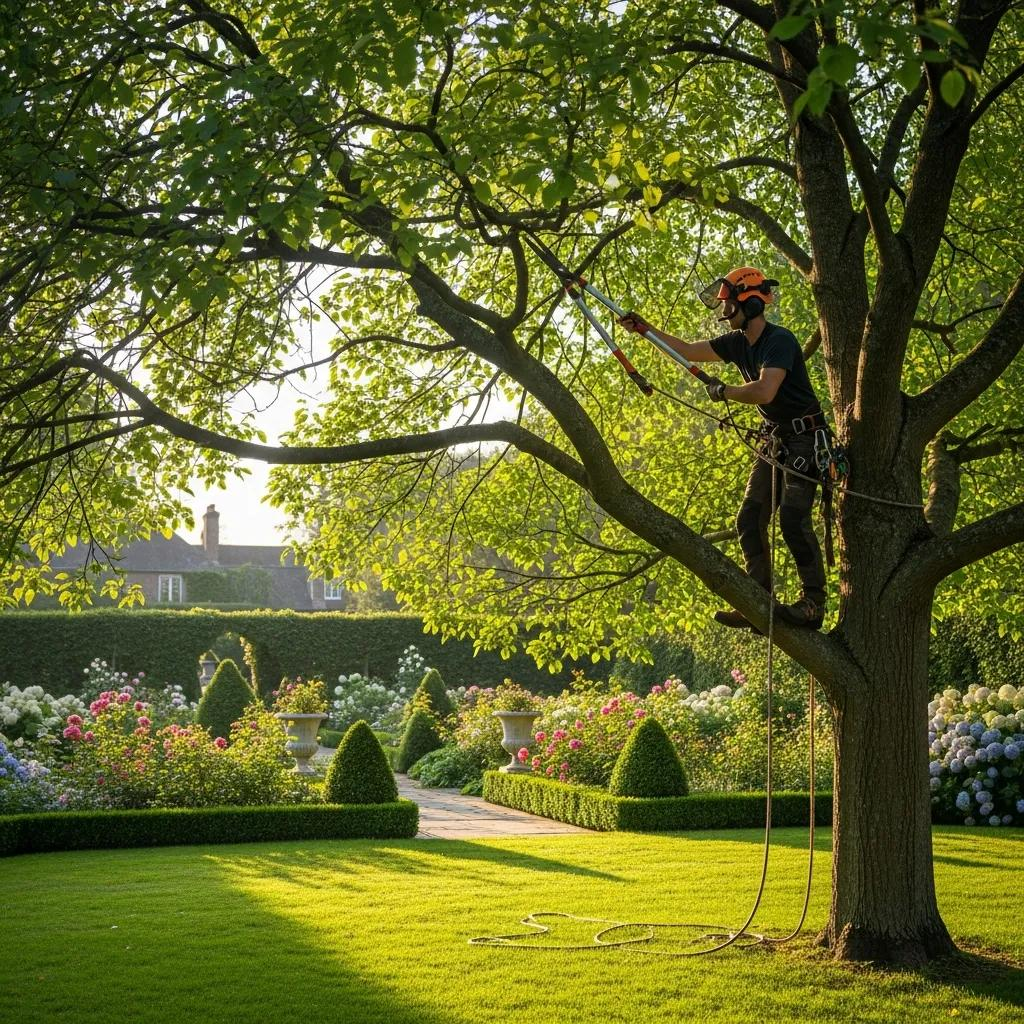
Professional tree pruning improves form, silhouette, and landscape balance while opening sightlines and increasing under-canopy light for gardens and lawns. Trained crews use species-appropriate cuts to maintain natural shape, avoid stub cuts, and reduce epicormic sprouting that amateur pruning often causes. The result is a cohesive landscape where trees complement architecture and plantings rather than obscure them. Visual improvements also lower perceived maintenance needs and make outdoor spaces more inviting to buyers and guests.
These aesthetic outcomes support a planned maintenance schedule that aligns pruning cycles with growth rates and seasonal considerations. The next major section examines long-term tree health and why certified arborists are essential for that work.
Why Is Hiring a Certified Arborist Essential for Long-Term Tree Health?
Hiring a certified arborist is essential because they combine diagnostic expertise, treatment planning, and standards-based pruning to sustain tree health over decades. Arborists diagnose pests and diseases, propose soil and root interventions, and design pruning schedules that limit decay and promote structural resilience. Their training enables them to recommend integrated plans—assessment, treatment, and follow-up monitoring—that extend tree longevity and landscape value. The list below summarizes core arborist services and the outcomes homeowners can expect from each.
Professional certification links service procedures to industry standards and helps homeowners make informed decisions. This diagnostic-first approach naturally reduces unnecessary removals and targets interventions that preserve canopy benefits.
How Do Professionals Prevent Tree Diseases and Pest Infestations?
Professionals prevent diseases and pests through routine inspections, early detection, and targeted cultural controls such as pruning, sanitation, and soil health improvement. They identify symptoms—discolored foliage, canker development, and abnormal dieback—and match treatments like localized pruning or targeted biologic controls to the diagnosis. Preventive programs include monitoring schedules and corrective fertilization or composting to strengthen host resistance. Early action limits spread across the landscape and reduces the scope and cost of remedial treatments.
These practices emphasize ecosystem health and reduce reliance on broad-spectrum interventions, preserving beneficial organisms and minimizing collateral impacts. The following subsection details pruning techniques that underpin these outcomes.
What Pruning Techniques Promote Tree Longevity and Structural Integrity?
Key pruning techniques that promote longevity include crown cleaning to remove deadwood, crown reduction to manage size without leaving large wounds, and structural pruning for young trees to establish strong branch architecture. Each technique has a clear purpose: cleaning improves safety, reduction manages target areas, and structural pruning prevents future weak crotches that lead to failure. Proper timing and cut selection reduce decay entry and encourage compartmentalization, improving long-term resilience. Implementing these techniques on a scheduled basis lowers failure risk and enhances the tree’s ability to withstand wind, ice, and pests.
Consistent, species-appropriate pruning forms the backbone of a long-term maintenance plan and complements soil and root care that arborists recommend.
What Specialized Equipment and Expertise Do Professional Tree Services Provide?
Professional tree services deploy specialized equipment—chainsaws, aerial lifts, cranes, rigging systems, and stump grinders—and trained crews to execute complex removals and pruning safely and efficiently. This equipment allows crews to control drop zones, protect structures, and remove large sections with precision that DIY approaches lack. Insurance-backed operations and certified arborists further reduce homeowner liability by combining technical skill with documented safety practices. The brief table below compares key equipment, typical use-cases, and the homeowner benefit.
Below is a concise comparison of equipment attributes and homeowner advantages.
| Equipment | Use-Case | Homeowner Benefit |
|---|---|---|
| Crane | Large or hazardous tree removal near structures | Precise lifts minimize collateral damage |
| Aerial lift | Elevated pruning and inspections | Faster access and safer cuts at height |
| Stump grinder | Stump removal and site restoration | Eliminates rot and regrowth, restoring usable space |
This EAV-style comparison highlights why specialized machinery matters for safety, efficiency, and landscape recovery. Next, a short list connects specific equipment to homeowner benefits in plain terms.
- Cranes: Enable controlled lowering of large sections to prevent damage.
- Aerial lifts: Provide stable platforms for precise pruning and inspections.
- Stump grinders: Remove tripping hazards and prepare sites for planting.
These tools, used by insured crews and certified arborists, reduce the risks and hidden costs associated with DIY attempts. The following subsection explores common DIY pitfalls in more depth.
Why Is DIY Tree Care Risky Compared to Professional Services?
DIY tree care raises injury, property damage, and long-term decline risks due to inexperience with proper cuts, rigging, and fall paths. Common mistakes include topping trees, making flush cuts, and underestimating weight distribution, which can accelerate decay and create unstable structures. Injuries from fall distance, falling branches, and improper ladder use are frequent and costly. Homeowners may also incur higher overall expense when poor cuts cause decline and necessitate professional corrective work later.
Understanding these risks clarifies why professionals invest in training, PPE, and insurance to protect both crews and property. The next subsection outlines how arborists combine tools and insurance to manage these hazards.
How Do Certified Arborists Use Advanced Tools and Insurance for Safety?
Certified arborists pair routine safety protocols—PPE, two-person rigging systems, and standardized cut sequences—with insurance coverage to manage liability for high-risk jobs. They document assessments, communicate plans, and implement barricades and traffic control when needed to protect people and structures. Insurance coverage transfers certain financial risks away from homeowners, while formal certifications demonstrate adherence to industry best practices. Together, equipment, training, and insurance reduce the likelihood and cost of accidents and property claims.
These protocols provide homeowners predictable outcomes and reduce the chance of emergency surprises. Below is a final actionable checklist summarizing preventative steps homeowners can request from pros.
- Request an assessment: Schedule a certified arborist inspection to establish current risk.
- Prioritize interventions: Use documented recommendations to rank pruning, cabling, or removal.
- Verify credentials and insurance: Confirm that crews are certified and insured before work begins.
These steps help translate professional recommendations into safe, cost-effective outcomes that preserve both trees and home value.
Henry’s Tree Service exemplifies local, professional implementation of these practices by offering insured crews, certified arborists, bilingual staff, and 24/7 emergency response as part of their residential tree services. As a family-owned provider serving Raleigh, Zebulon, and Wake County/Research Triangle area, they offer free estimates and commonly deliver Tree Removal and Stump Grinding services that reflect the safety and expertise described above.
Henry’s safety-first approach and service options provide practical avenues for homeowners who prefer local, insured professionals when addressing urgent or planned tree work. If you need an assessment, request an estimate or emergency response using the contact path you prefer; bilingual support and documented service options make coordination straightforward.