
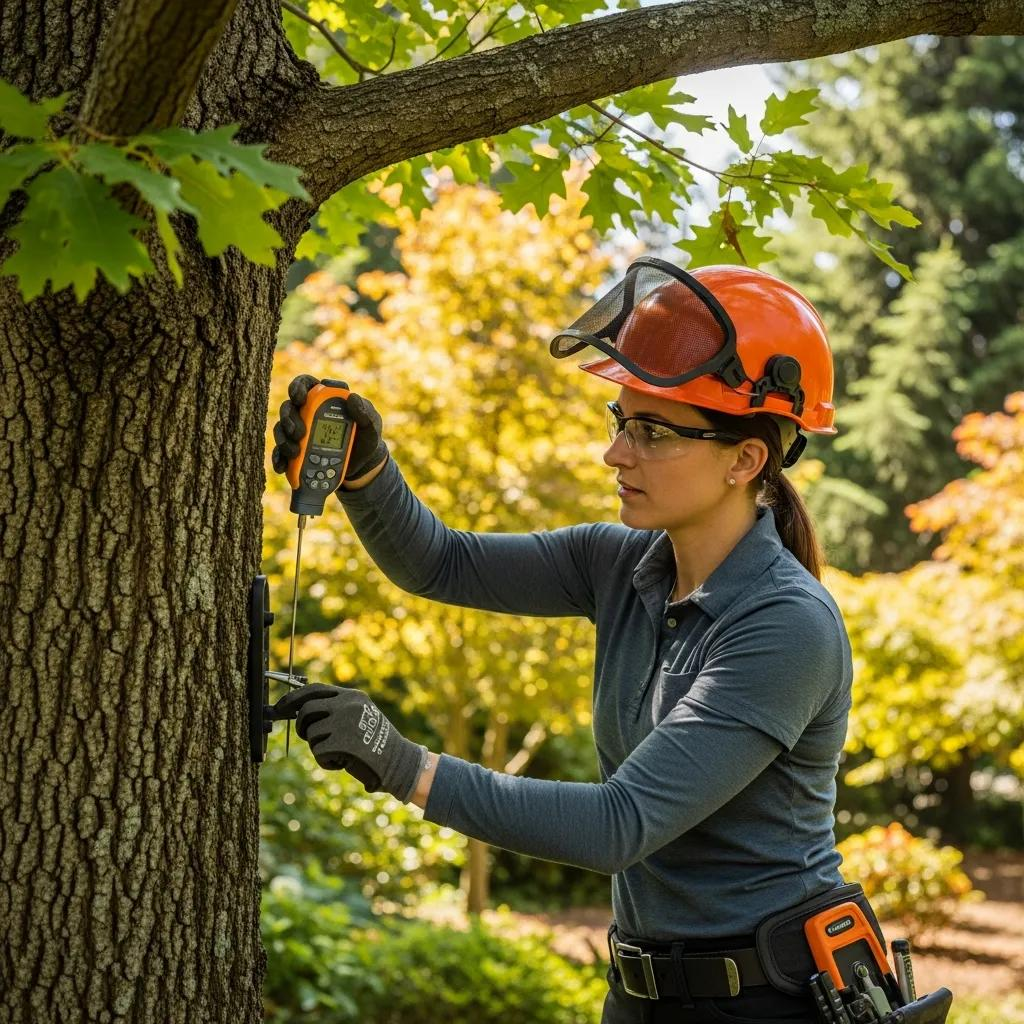
Certified Arborist Services - Expert Tree Health Assessment & Care for Optimal Tree Vitality and Safety
Certified arborist services are professional tree care offerings delivered by trained specialists who assess, diagnose, and treat tree health issues to preserve vitality and reduce hazards. This article explains how ISA-certified arborists perform tree health assessment, disease and pest diagnosis, risk evaluation, and targeted interventions—helping property owners maintain safe, valuable landscapes. Many property problems stem from unseen root decline, hidden structural defects, pest infestations, or nutrient imbalance; certified arborists combine visual inspection, diagnostic tools, and evidence-based treatments to address those causes and restore tree function. Readers will learn what certified arborist services include, how a tree health assessment works step-by-step, common diseases and pests to watch for, the benefits of early diagnosis and treatment, when to schedule an inspection, and how professional maintenance extends tree longevity and property value. After reviewing diagnostic workflows and treatment options, the article closes with a factual overview of Henry’s Tree Service’s certified-arborist approach and how to request an on-site assessment. Understanding these elements enables proactive decisions that protect trees, people, and property.
What Are Certified Arborist Services and Why Are They Essential?
Certified arborist services are structured arboriculture and plant health care activities performed by professionals who evaluate tree condition, mitigate risk, and implement care plans that preserve tree vitality and safety. The mechanism is diagnostic-first: assess structure and physiology, identify biotic or abiotic stressors, then apply targeted interventions—pruning, fertilization, pest control, cabling, or removal—to achieve measurable health and safety outcomes. The specific benefit is twofold: prolonging useful tree life while reducing the likelihood of hazardous failure that can injure people or damage property. These services sit within the broader categories of arboriculture services and plant health care, and they are essential because they translate scientific assessment into practical maintenance that sustains canopy value and ecosystem benefits. The next subsection explains who holds ISA certification and what that credential signifies in practice.
Who Is an ISA Certified Arborist and What Credentials Do They Hold?
An ISA Certified Arborist is a practitioner credentialed by the International Society of Arboriculture after demonstrating knowledge in tree biology, diagnosis, maintenance, and safety practices through testing and experience. Certification indicates competency in core arboricultural domains such as tree identification, soil and root systems, pruning principles, pest and disease recognition, and safe work practices; this credential helps clients distinguish trained professionals from less-qualified providers. ISA certification is maintained through continuing education, which ensures that certified arborists stay current with evolving plant-health-care standards and diagnostic techniques. When hiring a certified arborist, clients should expect systematic inspection reports, evidence-based recommendations, and adherence to recognized safety and ethical guidelines. Understanding certification helps property owners evaluate who is qualified to perform complex tree-health and risk-assessment tasks.
How Does a Tree Health Assessment Diagnose and Protect Your Trees?
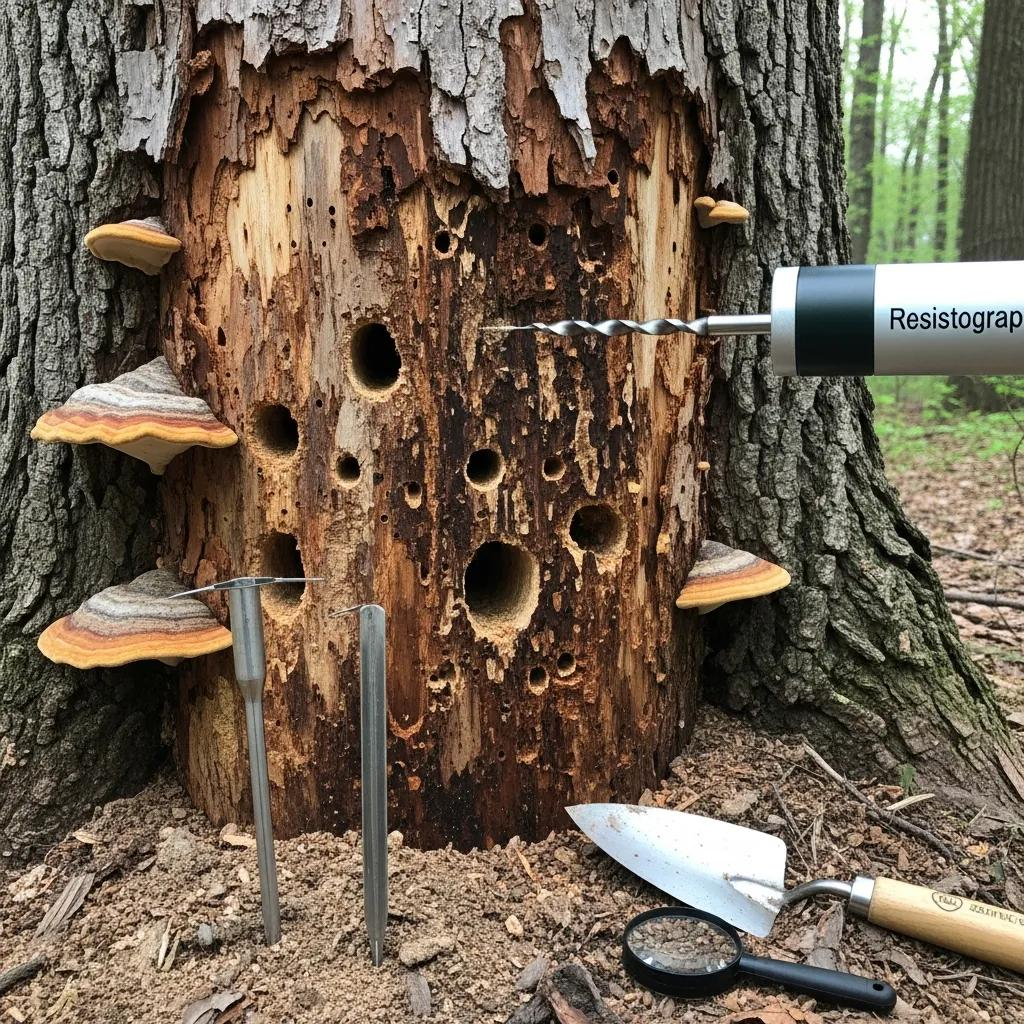
A tree health assessment is a systematic diagnostic workflow that identifies structural defects, physiological stress, pests, and environmental limitations to produce an actionable plan for preservation or mitigation. Assessments proceed from general to specific: start with visual inspection of canopy, trunk, and roots; gather site and soil information; use diagnostic tools to quantify internal decay or moisture status; and conclude with prioritized recommendations. The mechanism links observation and measurement—visual cues trigger targeted tests (soil analysis, resistograph scans, moisture readings) that confirm diagnoses so that treatments like pruning, fertilization, or targeted pest control resolve root causes rather than symptoms. The immediate benefit is a concise report and treatment plan that protects tree health and reduces future costs by addressing issues early. The following list outlines the common assessment steps used by professional arborists.
- Initial Visual Survey: Inspect canopy, trunk, and root crown for defects, dieback, fungal fruiting bodies, and pest symptoms.
- Site and Soil Evaluation: Collect soil texture, compaction, and nutrient clues to determine root-zone constraints.
- Targeted Diagnostic Testing: Use tools like resistographs, moisture meters, and lab soil tests to quantify internal decay or nutrient deficits.
This stepwise approach clarifies diagnosis and leads to appropriate next steps such as treatment selection or hazard mitigation, which the next section details by tool and application.
Different diagnostic components are summarized in the table below to make assessment deliverables easy to scan.
| Assessment Component | Focus | Typical Outcome |
|---|---|---|
| Visual Inspection | Structural defects, canopy condition, pest/disease signs | Initial defect identification and triage |
| Soil & Root Evaluation | Nutrient status, compaction, root collar health | Fertility or aeration treatment recommendations |
| Instrumental Testing | Internal decay, moisture content, wood density | Confirmation of internal defects and monitoring baselines |
This table shows how combined methods produce a reliable diagnosis and support defensible treatment plans that protect tree longevity and safety.
What Processes and Tools Are Used in Professional Tree Health Assessments?
Professional assessments combine hands-on inspection with diagnostic instruments to reveal problems that are not obvious at first glance. Common tools include the resistograph for measuring internal wood density and decay, soil probes and lab tests for nutrient and pH profiling, moisture meters to detect drought stress, and binoculars or drones for high-canopy inspection; each tool provides specific data that complements visual findings. For example, a resistograph detects internal cavities that a visual check might miss, while soil tests reveal nutrient imbalances that fertilization can correct; using multiple methods reduces diagnostic uncertainty and informs effective interventions. Instrument choice depends on initial symptoms and site constraints, and the arborist integrates results into a prioritized treatment plan. Understanding these tools helps property owners appreciate why assessments take time and why recommended actions are targeted rather than generic.
Research confirms the reliability of advanced tools like the Resistograph in accurately detecting internal wood decay, providing a higher level of consistency compared to other methods.
Resistograph & Portable Drill for Tree Decay Detection
Decay and soundwood assessments made with the Resistograph®and the portable drill were compared with laboratory measurements of wood density. Sixteen Tasmanian blue gum (Eucalyptus globulus) and 5 Scotch elm (Ulmus glabra) were evaluated in the field, cut, sectioned along Resistograph and drill test paths, and measured for density. Resistograph measurements of soundwood depth agreed closely with density measurements in 85.5% of all cases for blue gum and 100% of all cases for elm. Portable drill measurements agreed closely with density measurements in 73% of cases for blue gum and 81% for elm. Drill evaluations varied considerably among operators. For both species, the Resistograph provided a higher level of consistency and reliability than the portable drill. For either method, familiarity with wood resistance patterns of the test species is critical for an accurate interpretation of decay presence or absence.
Detection of wood decay in blue gum and elm: an evaluation of the Resistograph® and the portable drill, 1999
Which Common Tree Diseases and Pests Are Identified During Assessments?
Tree health assessments commonly find a mix of fungal diseases, vascular pathogens, and insect pests that degrade structure or physiology, with some agents—like oak wilt or emerald ash borer—posing high risk to whole populations. Identification relies on symptom recognition (leaf wilt, flagging, dieback, epicormic shoots), fruiting-body detection, and targeted sampling for laboratory confirmation where needed; early identification allows for localized containment, treatment, or removal to prevent spread. For example, oak wilt often shows rapid leaf discoloration and vascular symptoms, while emerald ash borer infestation may present as D-shaped exit holes and progressive canopy thinning; different responses—sanitation, insecticide injection, or removal—follow diagnosis. Immediate next steps after identification typically include containment measures, treatment planning, and monitoring schedules to evaluate intervention efficacy.
What Are the Key Benefits of Tree Disease Diagnosis and Treatment?
Early tree disease diagnosis and treatment preserve canopy function, lower long-term costs, and reduce safety risks by addressing problems before they escalate into irreversible decline or hazardous failures. The core mechanism is targeted intervention: diagnosing the causal agent allows arborists to apply specific treatments—pruning of infected tissue, targeted fungicide or insecticide applications where appropriate, root-zone amendments, or structural reinforcement—that restore physiological balance and slow or stop progression. Benefits include preserved ecosystem services (shade, cooling, habitat), reduced liability from falling limbs, and decreased likelihood of emergency removals that are more expensive. To clarify outcomes, the table below compares early diagnosis with delayed intervention in practical terms.
| Intervention Timing | Attribute | Value |
|---|---|---|
| Early Diagnosis | Benefit | Preserves canopy, reduces spread, lowers repair costs |
| Timely Treatment | Outcome | Restored vigor, reduced structural risk, improved longevity |
| Delayed Intervention | Consequence | Increased mortality risk, higher removal expenses, greater hazard potential |
This comparison highlights that proactive diagnosis and timely treatment typically protect both tree health and owners’ budgets, and the next subsections examine disease-specific and pest-control methods that implement those benefits.
For property owners seeking professional help after understanding these benefits, Henry’s Tree Service provides certified-arborist disease diagnosis and treatment planning and can prepare prioritized care recommendations tailored to individual landscapes. Their approach emphasizes diagnostic testing and evidence-based interventions to preserve trees when feasible and to manage hazard when removal is necessary. If you want to request an evaluation, you can contact Henry’s Tree Service through their website request form to arrange a certified arborist consultation that begins with a comprehensive tree health assessment and a written plan.
How Do Certified Arborists Detect and Manage Tree Diseases Like Oak Wilt?
Detection of high-priority diseases such as oak wilt centers on symptom pattern recognition and confirmatory diagnostics; arborists look for rapid leaf discoloration, progressive canopy decline, and characteristic fungal structures, followed by targeted sampling for lab confirmation when necessary. Management options depend on species and disease stage and may include sanitation pruning, fungicide injection under professional supervision, root trenching to interrupt grafted root transmission in some cases, and monitoring protocols to gauge treatment response. The reason these practices work is they interrupt disease spread vectors or bolster host defenses while removing infected tissues that perpetuate pathogens; careful timing and method selection are crucial for success. After treatment, certified arborists schedule follow-ups and monitoring to catch recurrence early and adapt the care plan accordingly.
What Pest Identification and Control Methods Are Employed by Arborists?
Arborists employ an integrated pest management (IPM) approach that begins with accurate pest identification through traps, visual signs, and life-cycle knowledge, then proceeds with control measures chosen for efficacy and environmental safety. Control methods range from cultural controls (removing stressed hosts, improving vigor), biological options (predator attraction or release), to targeted chemical treatments such as trunk or root injections when appropriate and legal; choice depends on pest biology, infestation level, and site constraints. IPM emphasizes monitoring, threshold-based action, and minimal non-target effects to balance tree health with environmental stewardship. Coordinating identification, treatment, and monitoring reduces pest impact and supports sustainable tree care over time.
The evolution of Integrated Pest Management (IPM) in arboriculture highlights a shift towards biologically rational strategies, moving beyond simple pesticidal sprays to more holistic plant health care.
Integrated Pest Management for Arborists & Plant Health
Integrated pest management (IPM) has evolved from theory to practice in the arboricultural industry. Enough technical information and experience exist to enable individual arborists to plan and implement biologically rational pest control strategies rather than using pesticidal cover sprays to reduce aesthetic impact of and damage from pests. IPM’s most effective usage is in the context of plant health care. Perhaps a better framework for understanding the role of pest control in arboriculture is to define IPM as integratedPLANTmanagement. After all, our goal as arborists is ecologically sound resource management. This paper introduces and discusses basic concepts of IPM and suggests establishment of action thresholds for key arthropod pests.
Integrated pest management in arboriculture: from theory to practice, 1989
Expert Tree Health Assessments & Targeted Care by Certified Arborists
You should schedule an arborist consultation when you observe persistent decline indicators, after major storms, before construction, or when trees are near structures and utilities; timing matters because early evaluation yields more treatment options. The assessment mechanism for scheduling is triage-based: immediate inspections for urgent risk signs, routine checkups for maintenance planning, and pre-construction assessments to protect root zones and prevent unintentional damage. The benefit of timely consultation is a prioritized plan that prevents costly emergency removals, reduces liability, and preserves landscape value; regular professional evaluation is the most reliable way to detect hidden defects before they cause harm. The following checklist summarizes high-priority signs that warrant prompt arborist attention.
- Leaf discoloration or sudden canopy thinning: May indicate vascular disease or root failure and requires swift assessment.
- Progressive branch dieback or fungal fruiting bodies on trunk: Suggests internal decay and elevated structural risk.
- Leaning trees, root heaving, or recent root damage from construction: Increases likelihood of failure and needs targeted evaluation.
Scheduling an inspection as soon as you notice these signs allows the arborist to prioritize interventions and minimize escalation, which the next subsection explains in terms of risk assessment methodology.
For homeowners ready to arrange an on-site tree health assessment, Henry’s Tree Service offers certified-arborist consultations that begin with a comprehensive visual and instrument-assisted evaluation and result in a written report and recommended next steps; you can request this service through Henry’s Tree Service’s website request form to initiate scheduling with a certified arborist. Prompt scheduling ensures urgent issues are addressed and maintenance needs are planned, keeping trees safer and investment value intact.
What Are the Signs Your Trees Need Expert Evaluation?
Visible warning signs that indicate a need for expert evaluation include persistent leaf discoloration, progressive dieback, fungal conks on trunks, new or widening trunk cavities, root exposure or heaving, and sudden leaning; each sign has specific implications for tree stability and health. When multiple signs co-occur or symptoms worsen quickly, the likelihood of structural or systemic problems increases and warrants immediate inspection to prevent failure. Homeowners should avoid DIY removal or treatment for high-risk signs and instead secure a certified arborist inspection to diagnose root causes and recommend safe, effective solutions. Quick homeowner actions before the arborist arrives include keeping clear access for inspection and documenting symptom progression with photos, which facilitates more accurate diagnosis.
How Is Tree Risk Assessment Conducted to Prevent Hazards?
Tree risk assessment follows a structured evaluation of target occupancy, defect identification, likelihood of failure, and consequence severity to produce a risk rating and recommended mitigations. Assessors examine defect type and location, tree species and health, seasonal load factors, site use patterns, and proximity to targets to determine acceptable risk thresholds and prioritize work such as pruning for load reduction, cabling and bracing for structural support, or full removal for unacceptable risk. This systematic approach allows arborists to allocate resources effectively and implement the least-intrusive, most reliable mitigation for a given risk profile. Understanding risk assessment outcomes helps owners decide between preservation actions and removal when safety cannot be reasonably managed.
Professional arborists play a crucial role in conducting comprehensive tree risk assessments, guiding property owners through decisions about acceptable risk levels and necessary modifications to ensure safety.
Professional Tree Risk Assessment by Arborists
All trees pose some level of risk to nearby people, structures, and utilities. As trees age or become weakened by pests, disease, and/or other stresses, a tree owner or manager may need to decide what risk level he or she is willing to accept and what modifications may be needed. Experienced arborists can aid in this decision process by conducting a professional risk assessment that specifies the likelihood of whole or partial tree failure, the consequences of such a failure, and the potential targets affected. A variety of risk assessment methods have been developed to guide professionals through the tree inspection process.
Tree risk assessment methods: A comparison of three common evaluation forms: ENH1226/EP487, 11/2013, AK Koeser, 2013
How Do Professional Tree Care Services Enhance Tree Longevity and Property Value?
Professional tree care services—pruning, fertilization informed by soil tests, cabling and bracing, and targeted pest/disease management—enhance tree longevity by correcting structural defects, restoring nutrient balance, and reducing stressors that accelerate decline. The mechanism is preventative and restorative care: pruning improves structural integrity and light penetration, fertilization addresses root-zone nutrient deficits uncovered by testing, and cabling provides mechanical support to compromised limbs; these interventions combine to lengthen a tree’s useful lifespan and maintain its aesthetic benefits. The measurable benefits include extended canopy life, reduced hazard incidence, and improved curb appeal that supports property value; to illustrate these relationships, the table below links services to outcomes.
| Service | Characteristic | Impact |
|---|---|---|
| Pruning | Removes deadwood and corrects structure | Reduces failure risk and promotes healthy growth |
| Fertilization | Soil-test-guided nutrient correction | Improves vigor and disease resistance |
| Cabling & Bracing | Mechanical support for weak structure | Extends serviceable life and defers removal |
This mapping clarifies how targeted services translate into tangible value for trees and properties, and the next subsections detail best practices for pruning/fertilization and criteria for safe removal when preservation is not possible.
What Tree Pruning and Fertilization Practices Promote Healthy Growth?
Effective pruning follows objectives of structure correction, safety clearance, and health improvement, using selective cuts that preserve branch architecture while removing hazardous or competing limbs; proper timing and cut technique reduce wound size and infection risk. Fertilization begins with soil and foliar testing to identify specific nutrient deficiencies and soil pH issues, followed by targeted applications—slow-release granules or root-injected fertilizers—that restore balanced nutrition without overapplication. The combined reason these practices work is they address both structural mechanics and physiological needs, promoting balanced growth and resilience to pests and environmental stress. Regular, diagnostics-driven maintenance promotes long-term vigor and reduces the need for emergency interventions.
When Is Tree Removal Necessary and How Is It Safely Performed?
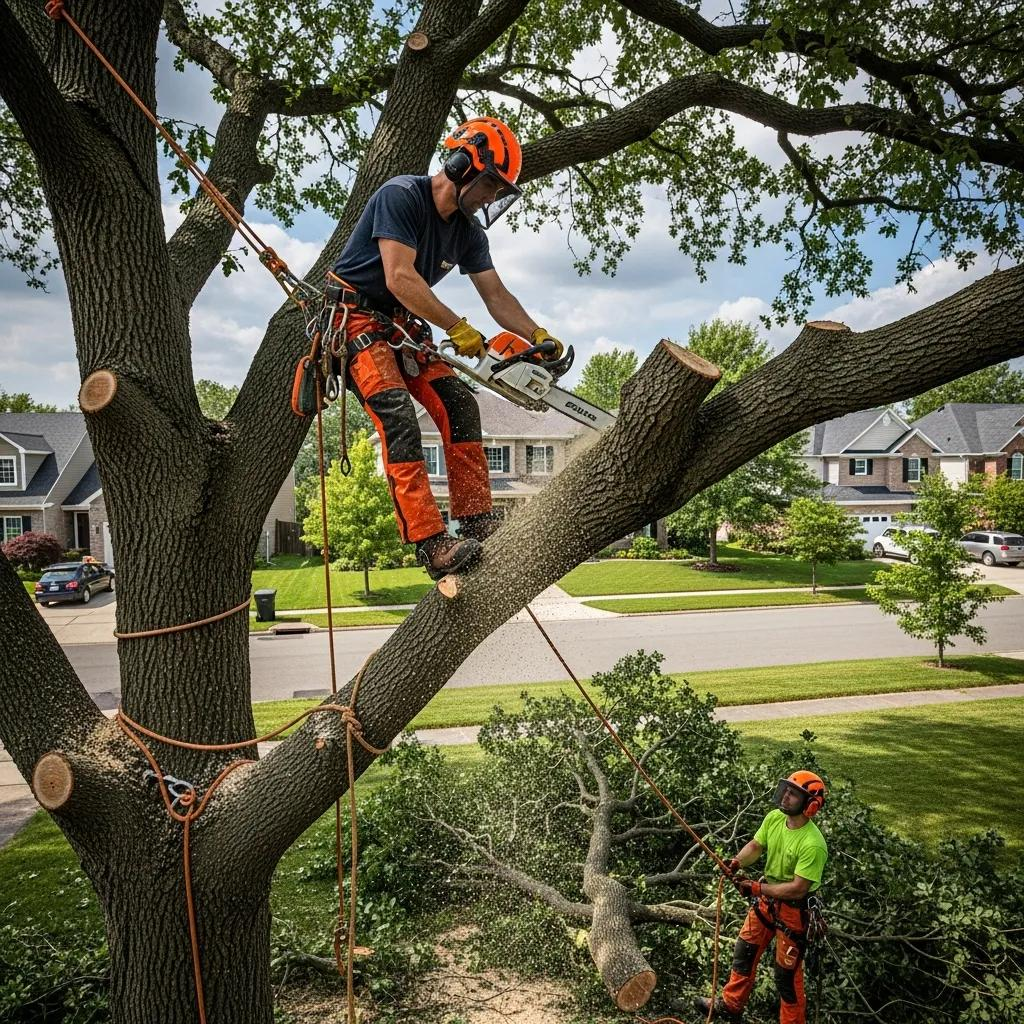
Removal becomes necessary when trees present irreversible decline, imminent structural failure that cannot be mitigated, or when they pose unacceptable risk to people or critical infrastructure; assessment determines necessity by comparing mitigation feasibility against hazard severity. Safe removal protocols include a stepwise plan for sectional dismantling, rigging to control falling limbs, debris management to protect property, and stump-treatment or grinding as a post-removal option; trained crews follow industry safety standards and site-specific precautions to minimize collateral damage. Post-removal recommendations commonly include considering replacement species suited to site conditions and revising landscape plans to preserve canopy cover and property value. Properly executed removals mitigate liability while setting the stage for healthier future plantings.
Why Choose Henry's ISA Certified Arborists for Your Tree Health Needs?
Henry’s Tree Service provides ISA-certified arborist services inferred to include comprehensive tree health assessment, disease diagnosis, risk assessment, pruning, fertilization, cabling, and safe removal—delivered with an emphasis on scientific diagnostics and customized care plans. The company’s stated approach (inferred from service descriptions) prioritizes evidence-based evaluation—visual inspection combined with instrumental testing—and produces written recommendations that align treatment to diagnosis rather than applying one-size-fits-all remedies. For property owners seeking a certified professional to assess tree health and safety, Henry’s Tree Service offers consultations conducted by ISA-certified arborists who translate diagnostic results into prioritized action plans. If you need an expert evaluation, Henry’s Tree Service can be requested via their website request form to schedule an on-site certified-arborist assessment and receive a tailored care plan.
What Sets Our Scientific and Customized Tree Care Approach Apart?
The distinguishing element of Henry’s Tree Service’s inferred approach is diagnostic-first planning: assessments generate data points—visual observations, soil analysis, resistograph or moisture readings—that drive customized interventions aimed at preserving canopy and minimizing risk. This strategy uses evidence to select targeted treatments such as precise pruning prescriptions, soil amendment regimens, or monitoring-based pest control, rather than relying on generic maintenance packages; the result is efficient resource use and more predictable outcomes. Safety-first practices—prioritizing mitigations when hazards are present—combine with monitoring schedules to adapt care as trees respond, ensuring decisions are responsive to changing conditions. This scientific, tailored model aligns with best practices and supports long-term tree health and property protection.
How Do Our Case Studies Demonstrate Successful Tree Health Interventions?
Case study themes associated with Henry’s Tree Service (inferred from service scope) include disease treatment interventions that preserved high-value shade trees and hazardous removals executed to protect structures while minimizing landscape impact. Typical case outcomes emphasize restored vigor after diagnostic-driven treatment, reduced hazard through structural correction, and clear documentation of decision rationale that supports property-owner confidence. These succinct examples illustrate the practical benefits of combining certified-arborist expertise with evidence-based methods, and clients interested in detailed instances can request case information or references when arranging an assessment. Demonstrated outcomes reinforce that systematic diagnosis and carefully selected treatments deliver measurable improvements in tree health and landscape safety.