
Tree Removal Cost Guide: What to Expect — and How to Save
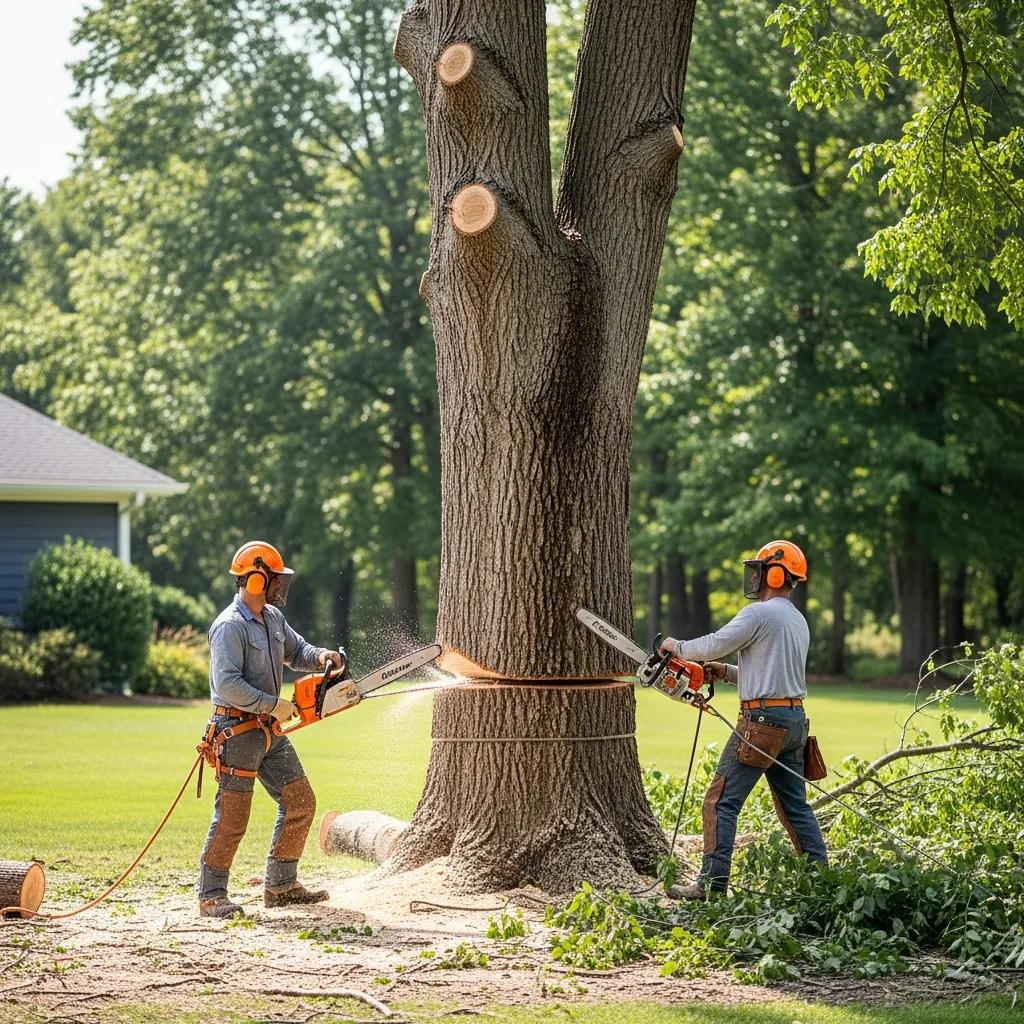
Tree removal prices can vary a lot based on size, species, location and urgency. Expect roughly $200–$2,000 per tree, with a national average near $750 in 2025. This guide breaks down how those numbers form, what causes price swings, and smart ways to lower your bill without risking safety. You’ll find 2025 cost bands, how size and species change labor and equipment needs, which add-ons commonly raise invoices, when emergency work carries a premium, and practical steps to save through timing and scope decisions. Our goal is to give homeowners and property managers clear benchmarks—so searches for “tree removal near me cost” return realistic expectations—and to arm you with the right questions to get consistent, written estimates. Read on to compare scenarios, review common extras like stump grinding and haul-away, and learn how to evaluate quotes from local pros like Henry’s Tree Service when you schedule an on-site estimate.
What Are the Average Tree Removal Costs in 2025?
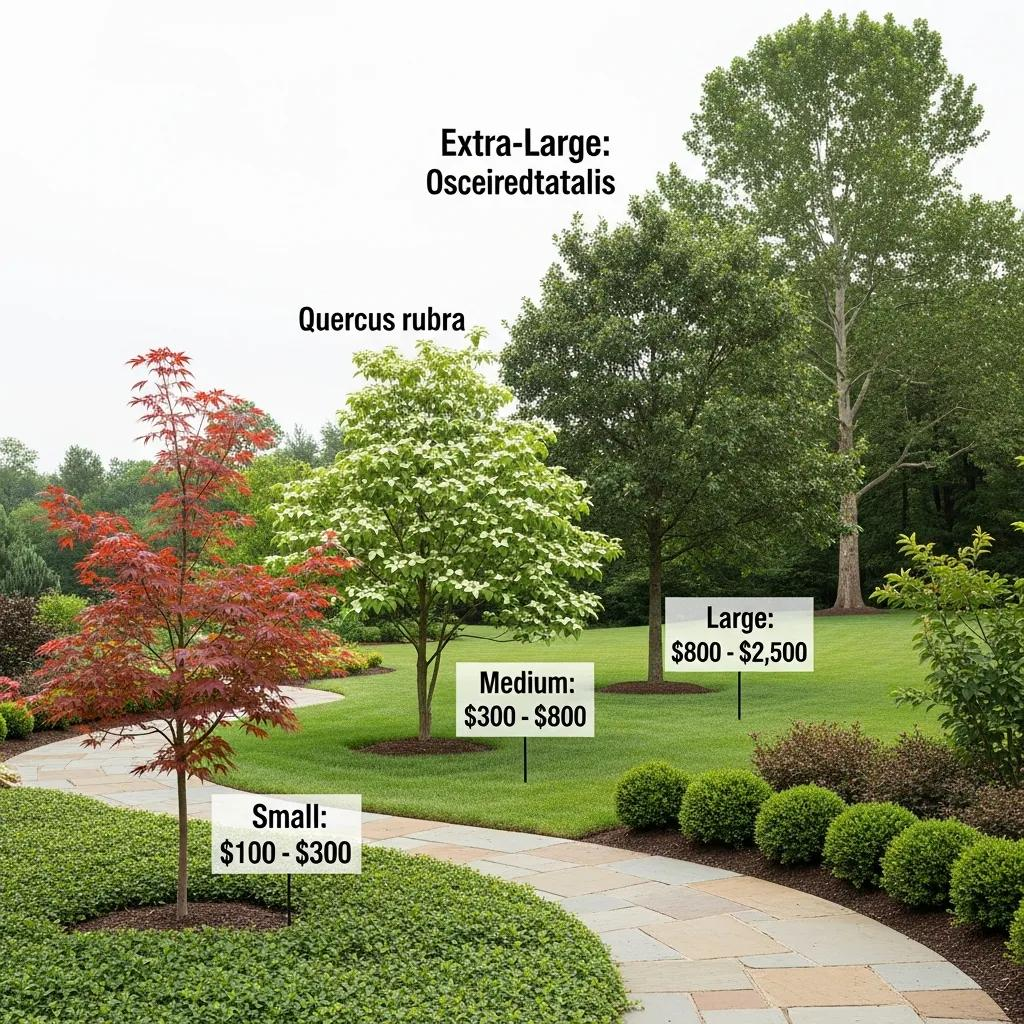
National averages for 2025 depend on region and job complexity, but a simple benchmark helps you budget. Prices reflect crew time, labor, equipment, disposal and any permits. Below we sort those elements into size-based ranges so you can quickly check quotes. Small trees mean less rigging and fewer crew hours; extra-large specimens often need cranes or sectional dismantling, which multiplies cost. Use the table as a quick reality check when you get estimates.
| Tree Size / Category | Typical Price Range | Example Scenario / Notes |
|---|---|---|
| Small (under 30 ft) | $150 – $500 | Single-stem yard tree with easy access and minimal canopy work |
| Medium (30–60 ft) | $400 – $1,200 | Needs multiple crew members, more rigging and chipper use |
| Large (60–80 ft) | $900 – $2,500 | Complex rigging, possible crane use and longer crew hours |
| Extra-large (80+ ft / historic) | $2,000+ | May require crane-assisted removal, permits and extended cleanup |
Keep these ranges handy to spot outlier quotes and decide if you need an on-site inspection for a firm price.
How Does Tree Size Affect Removal Cost?
Size directly drives labor, time and equipment needs. Taller trees usually require sectional cuts, extra rigging and sometimes traffic control or a crane—each adds hourly labor and specialized equipment charges. Diameter affects stump size and grinding time too, so both removal and post-removal services cost more for bigger specimens. That’s why two trees of the same species can have different quotes based only on height, girth or canopy complexity. Size also helps you decide whether to prune now or remove later.
Which Tree Species Influence Removal Prices?
Species matters because wood density, limb structure and roots change how crews cut and lower sections. Dense hardwoods like oak need heavier rigging and slower dismantling than softer species; palms and some conifers bring their own challenges with fronds or uneven loads. Species can also affect disposal—some wood is good for firewood, while other types create bulky waste that raises haul-away fees. Knowing the species helps you discuss risk, timing and disposal options when you compare quotes.
What Key Factors Influence Tree Removal Cost?
Several consistent drivers determine the final price. Understanding them turns a surprise bill into a predictable budget. Key factors include tree condition, location and accessibility, equipment needs, permit requirements and overall job complexity—especially anything near structures or utilities. Each factor adds its own cost: risk premiums for unsafe trees, crane fees for awkward placements, or municipal permit charges for protected specimens. Reviewing these before you schedule helps you choose the safest, most cost-efficient approach and frames the right questions for contractors.
- Top cost drivers: size, species, accessibility, health of the tree and required equipment.
- Risk and complexity—proximity to power lines or houses—can increase crew size and time.
- Permits and municipal rules may add fixed fees or scheduling delays that affect the total cost.
These drivers influence every decision from stump grinding to emergency surcharges; next we explain how tree condition changes pricing.
How Does Tree Condition Impact Pricing?
Condition—healthy, diseased, dead or storm-damaged—changes both risk and technique, so it changes cost. Dead or badly diseased trees are unpredictable: limbs can shatter and trunks may split, requiring extra rigging, more hands on deck and extra time to dismantle safely. Fallen trees need different logistics: a trunk blocking a yard or road may need heavy equipment and extra cleanup, while a standing hazardous tree often needs staged sectional removal. Early assessment of condition tells crews whether to add safety surcharges, request extra insurance documentation, or recommend temporary supports—items that show up on the final invoice.
How Do Location and Accessibility Affect Removal Costs?
Where a tree sits and how you can reach it change the removal method and crew resources, which directly affects price. Tight backyards, narrow driveways and trees close to buildings or fences usually need sectional dismantling, rope work or even a crane—each adds time and equipment cost. Open lots with clear access let crews use larger gear and finish faster, lowering per-tree charges. Identifying access issues early reveals simple prep homeowners can do to lower costs and explains why some quotes require an on-site visit for accuracy.
What Are the Additional Costs Beyond Tree Removal?
The base removal fee rarely covers everything needed to restore a property. Common add-ons include stump grinding, wood chipping, debris haul-away, permits and log splitting. These services follow their own pricing models—per-inch for stump grinding, per-hour or per-truck for hauling—so knowing those models prevents surprises. The table below summarizes typical add-ons, price ranges and when they’re likely required so you can choose cost-saving options like keeping cut wood or accepting chips for mulch.
| Additional Service | Typical Price Range | When Required / Cost Drivers |
|---|---|---|
| Stump grinding | $75 – $400 per stump | Diameter, depth and access increase the price |
| Wood chipping | $100 – $500 per job | Volume of material and chipper access affect cost |
| Debris haul-away | $75 – $350 per truckload | Distance to dump site and local fees impact price |
| Permit / inspection fees | $0 – $500+ | Municipal rules or protected-tree status drive costs |
Use this comparison to see how add-ons stack onto the base fee and to spot practical savings like leaving timber on-site or arranging separate disposal.
What Is the Cost of Stump Removal and Grinding?
Stump work depends on diameter and on whether you want grinding or full removal. Grinding below grade is usually cheaper than full stump and root extraction, which needs excavation and heavier equipment. Contractors often price grinding by stump diameter; deeper grinding and tight access add time and cost. Full removal—needed for construction or when roots are a hazard—can run two to three times the grinding cost because it includes backfilling and hauling. Choose based on future yard plans and budget: most homeowners pick grinding for planting or lawn repair and reserve full removal for major site work.
How Much Does Wood Chipping and Debris Haul-Away Cost?
Chipping is billed either as part of an hourly crew rate or as a flat fee based on volume; haul-away is often charged per truckload or cubic yard. Keeping chips or firewood can cut costs a lot because it removes disposal and transport fees. Asking a contractor whether you can keep the wood or arrange separate disposal will clarify final pricing. Local disposal rules and transfer-station rates also affect the number, so get those details up front to compare quotes fairly.
How Much Does Emergency Tree Removal Cost and Is It Covered by Insurance?
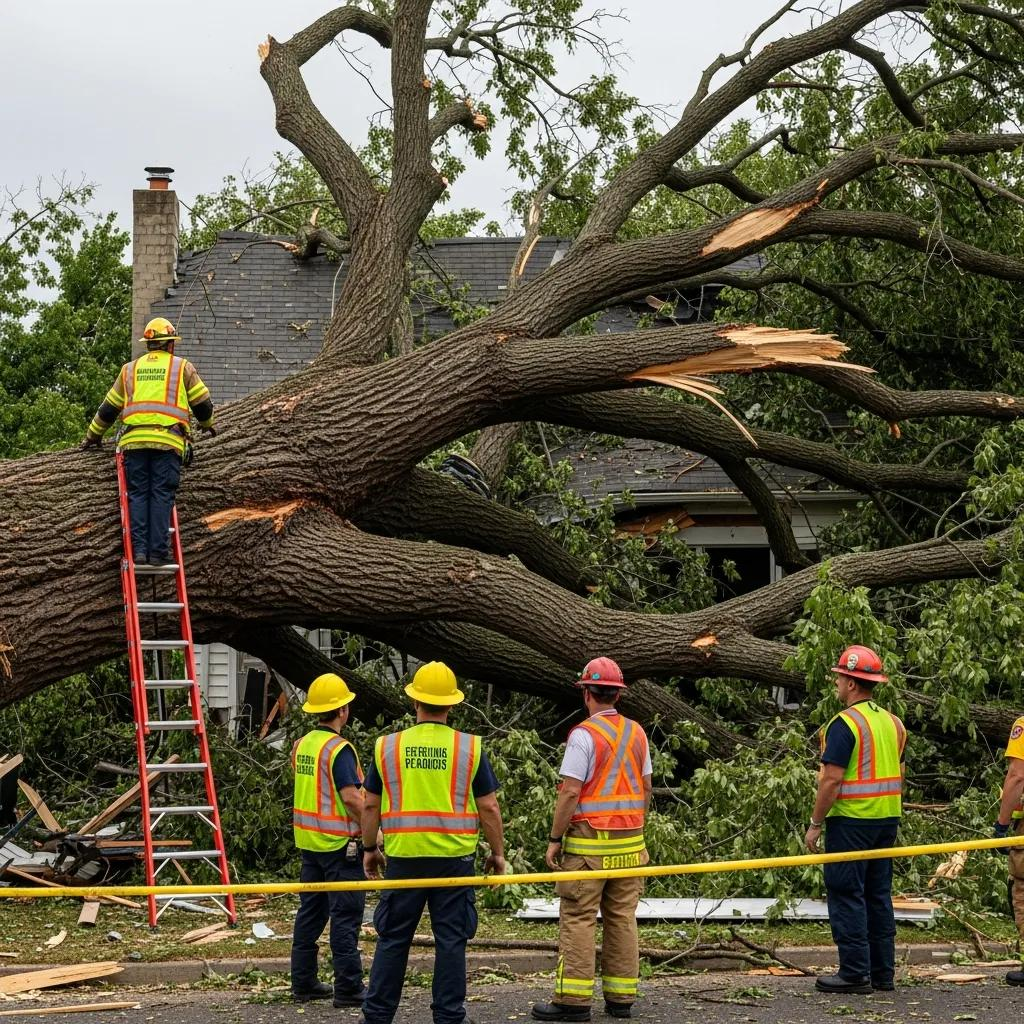
Emergency removal usually carries a sizable surcharge because crews must respond fast, often outside normal hours, and work in hazardous conditions. Expect emergency pricing to be 25%–100% higher than scheduled removal in many cases. Insurance coverage depends on your policy and the damage scenario: insurers commonly pay when a tree damages a covered structure or blocks primary access, but they often won’t cover routine removal of healthy trees. The table below helps you understand common emergency scenarios and the chance your homeowners insurance will contribute, so you can prepare the right documentation for claims.
| Emergency Scenario | Insurance Coverage Likelihood | Estimated Notes / Actions |
|---|---|---|
| Tree fell on house | High | Coverage often includes removal and debris; document damage and keep receipts |
| Tree blocking driveway/road | Medium | Insurer may cover if access affects safety; check your policy details |
| Tree threatens but not yet damaged structure | Low | Preventative removal is rarely covered unless policy specifically allows it |
| Fallen tree on detached shed or fence | Variable | Coverage depends on policy definitions of structure and limits |
This breakdown shows when filing a claim is reasonable and which records—photos, timestamps and invoices—help support your case.
Why Are Emergency Tree Removal Costs Higher?
Emergency work costs more because crews must mobilize quickly, often pay overtime, and operate in riskier conditions that demand extra safety measures. After-hours call-outs can carry fees or surge pricing to prioritize hazardous jobs over scheduled work. Storm response also often needs heavier equipment and more personnel, which raises hourly labor and equipment charges. Knowing these drivers helps you plan for emergencies and decide whether a short-term mitigation step will hold until a regular crew can perform a safer, less costly removal.
When Does Homeowners Insurance Cover Tree Removal?
Insurance usually covers removal when a tree has damaged a covered structure or blocked a primary access route and the event is a covered peril under your policy. Policies commonly exclude removal of healthy trees taken as a precaution, so preventative work is usually out-of-pocket. To improve the chance of a claim paying, document the scene immediately with photos, note the date and cause (storm, wind, disease), and keep invoices and contractor estimates. If unsure, contact your insurer quickly to confirm coverage criteria and required documentation.
How Can You Save Money on Tree Removal?
There are safe, practical ways to lower costs: schedule work during off-peak seasons, bundle multiple trees into one job, improve site access before the crew arrives, and accept chips or on-site cut wood instead of full haul-away. Small prep tasks—clearing a driveway, marking utilities, or pruning low brush—can shave crew hours and reduce the final bill. Always compare written quotes and confirm scope and exclusions to avoid unexpected add-ons. The next section covers timing, bundling and realistic DIY limits so you can choose savings that don’t sacrifice safety.
- Lower-cost scheduling: off-season bookings, weekday appointments and bundled jobs.
- Disposal choices: keeping chips or firewood removes haul-away fees and cuts total cost.
- Homeowner prep: clear access and mark sensitive areas to speed the crew’s work.
Pair these tactics with careful vetting and clear written scopes to get the best results without surprises.
What Are the Best Times and Methods to Reduce Costs?
Timing and job design matter. Late fall and winter are often slower for tree crews, giving lower rates and faster scheduling; weekdays typically cost less than weekends. Bundling several trees into one contract spreads mobilization costs across more work. Homeowner prep—moving cars, marking utility lines and cutting brush—cuts crew time. Combine these strategies to secure real savings without increasing risk or compromising cleanup.
Should You Consider DIY Tree Removal?
DIY removal is only suitable for very small trees when the homeowner has the right tools, experience and no nearby hazards. Anything beyond a sapling can lead to serious injury or property damage, so hire professionals for medium-to-large trees, those near structures, or any work involving ropes, chainsaws and climbing. A safer DIY role is to handle non-technical prep—move vehicles, clear access and trim small brush—then let pros do the risky rigging and lifts. Safety first avoids costly accidents and potential insurance problems for unlicensed work.
How Do You Get an Accurate Tree Removal Estimate?
A reliable estimate starts with an on-site inspection that checks size, species, condition, access, disposal needs and permits; remote quotes are useful for ballpark planning but seldom final. A good estimate includes a written scope, itemized pricing for base removal and add-ons, and clear terms for disposal, payment and timing. Getting multiple quotes helps you compare scopes, not just bottom-line numbers, and asking the right questions verifies insurance, licensing and method. The vendor note below explains how to include a local provider while keeping focus on independent comparison.
For a firm on-site estimate, ask the crew to measure diameter and height, inspect canopy and roots, and check access constraints so they can give an itemized written bid. Prepare the site by clearing vehicles and marking hazards before the visit so the estimator can inspect thoroughly. If you want a reference, Henry’s Tree Service provides on-site estimates and can itemize base removal and common add-ons—useful for apples-to-apples comparisons when collecting multiple bids. Compare written estimates for labor, equipment and disposal line items before you choose a contractor.
What Questions Should You Ask Tree Service Providers?
Use a short checklist to compare safety, scope and value—not just price. Ask about insurance and licensing to confirm liability coverage, request references or photos of similar jobs to judge experience, and clarify whether the estimate includes stump grinding, chip removal or permit handling. Confirm the removal method—sectional dismantling, crane use or full lowering—and ask about timeline and cleanup standards to avoid end-of-job surprises. These questions protect you from low bids that skip essential work and from contractors without proper coverage.
Why Is Getting Multiple Quotes Important?
Multiple written quotes reveal how different providers scope the job—the most important factor when comparing price and value. Three or more bids expose outliers that might underbid by leaving out work or overbid by including services you don’t need. Use an apples-to-apples checklist—itemized labor, equipment, disposal, permits and guarantees—to compare offers and negotiate a fair price or bundled discount. Getting multiple quotes helps you choose a provider that balances safety, scope and cost rather than simply the cheapest option.
- Request at least three written estimates that include a detailed scope and itemized pricing.
- Compare line items for labor, equipment, stump work and disposal to ensure fair comparisons.
- Check insurance and references to confirm capacity and past performance before signing.
These steps make selecting a provider clear and reduce the chance of surprises during the job.
For help scheduling an on-site estimate or to request an itemized quote that separates base removal and add-on services, consider contacting Henry’s Tree Service; ask specifically for a written scope listing removal, stump grinding, chipping and haul-away options so you can compare offers. This mention is meant to help with your estimate process and doesn’t replace the need for multiple independent quotes.
- Prepare the site before the visit so estimators can assess access and hazards.
- Keep key questions ready to confirm insurance, method and cleanup.
- Require a written estimate with timelines and payment terms to avoid surprises.
This structured approach helps you get accurate, comparable estimates and make an informed choice.
Conclusion
Knowing what drives tree removal costs helps homeowners budget and choose the right approach. By weighing tree size, species and add-on services, you can anticipate expenses and avoid unexpected charges. Take the next step by requesting multiple written quotes so you get the best value for your needs. Check our resources for more tips on tree care and ways to save.