
Exploring the Enduring Legacies of the World's Oldest Trees
For ages, people have looked to trees as living chronicles, with some standing for millennia, embodying resilience, profound wisdom, and enduring cultural legacies. Discovering the world’s most ancient trees offers valuable insights into how we can better protect our own local arboreal treasures and highlights the crucial role of expert care for both homes and businesses. This piece delves into ancient individual trees, sprawling clonal colonies, revered sacred symbols, and thoughtfully managed landscapes, ultimately connecting these global lessons to the importance of preserving heritage trees. Throughout, we’ll show how Henry’s Tree Service brings these principles to life through specialized heritage tree preservation services across Western Massachusetts and Connecticut.
Meet the Planet's Oldest Individual Trees and Discover Their Homes
The most ancient non-clonal trees are truly one-of-a-kind, distinguished by their age, species, and the environments they inhabit. Determining their age involves scientific methods like dendrochronology or radiocarbon analysis to meticulously count growth rings and confirm their remarkable longevity. These venerable individuals showcase how a tree’s unique genetics and its surroundings work together to create living legacies that stand the test of time.
Pinpointing the exact age of ancient trees relies on sophisticated scientific techniques that have advanced significantly over time.
Dendrochronology and Radiocarbon Dating: Unlocking Ancient Tree Timelines
Both dendrochronology and radiocarbon (14C) dating have their roots back in the early to mid-1900s. Although they were independently developed, they began to intertwine in the 1950s when the founder of dendrochronology, A. E. Douglass, provided dated wood samples for Willard Libby to test his emerging14C methods. Since this early connection, absolutely dated tree-rings have been key to calibration of the Holocene portion of the14C timescale. In turn,14C dating of non-calendar-dated tree-rings has served to place those samples more precisely in time, advance development of long tree-ring chronologies, and bring higher resolution to earlier portions of the14C calibration curve. Together these methods continue to shape and improve chronological frameworks across the globe, answering questions in archaeology, history, paleoclimatology, geochronology, and ocean, atmosphere, and solar sciences.
Dendrochronology and radiocarbon dating, CL Pearson, 2022
Who is Methuselah and What Makes the Bristlecone Pine So Enduring?
Methuselah, a Great Basin bristlecone pine (Pinus longaeva) residing in California’s White Mountains, has lived for over 4,850 years. This species thrives in challenging high-altitude environments, where harsh conditions naturally limit competition and slow growth. Its wood is exceptionally dense and rich in resin, making it highly resistant to pests and decay, which allows it to endure through centuries of changing climates.
What's Special About Sarv-e Abarqu, Iran's Ancient Cypress?
Sarv-e Abarqu, a Mediterranean cypress (Cupressus sempervirens) found in Abarkooh, Iran, is estimated to be 4,000 years old. It stands proudly in a desert oasis, serving as a powerful symbol of national identity and unwavering endurance. Local lore attributes its remarkable age to its sacred status and the protective rituals that historically prevented it from being logged, solidifying its role as a cherished cultural icon.
How Old is the Alerce Milenario and What's the Story Behind Its Discovery?
The Alerce Milenario, a Fitzroya cupressoides located in Chile’s Los Alerces National Park, is over 3,646 years old. Its age was determined through core samples and cross-dating techniques, and its discovery brought much-needed attention to the importance of Patagonian forests. Researchers were able to study its growth rings to reconstruct ancient climate patterns, revealing the tree’s significant scientific and ecological value.
What Other Remarkable Trees Exist, Like the Chestnut of One Hundred Horses?
Several extraordinary trees are approaching or have surpassed three millennia, each with its own unique history and setting. Here’s a quick look at some of these individual giants.
| Tree | Location | Estimated Age |
|---|---|---|
| Llangernyw Yew | Conwy, Wales | 4,000+ years |
| Old Tjikko (Norway Spruce) | Fulufjället, Sweden | 9,560 years |
| Chestnut of One Hundred Horses | Sicily, Italy | 2,000+ years |
| Jaya Sri Maha Bodhi (Sacred Fig) | Anuradhapura, Sri Lanka | 2,300+ years |
These ancient trees demonstrate how varied climates and diverse cultures can foster incredible longevity. Now, let’s explore clonal colonies to understand another fascinating path to ancient survival.
How Do Clonal Colonies Like Pando and Jurupa Oak Redefine Our Understanding of Tree Longevity?
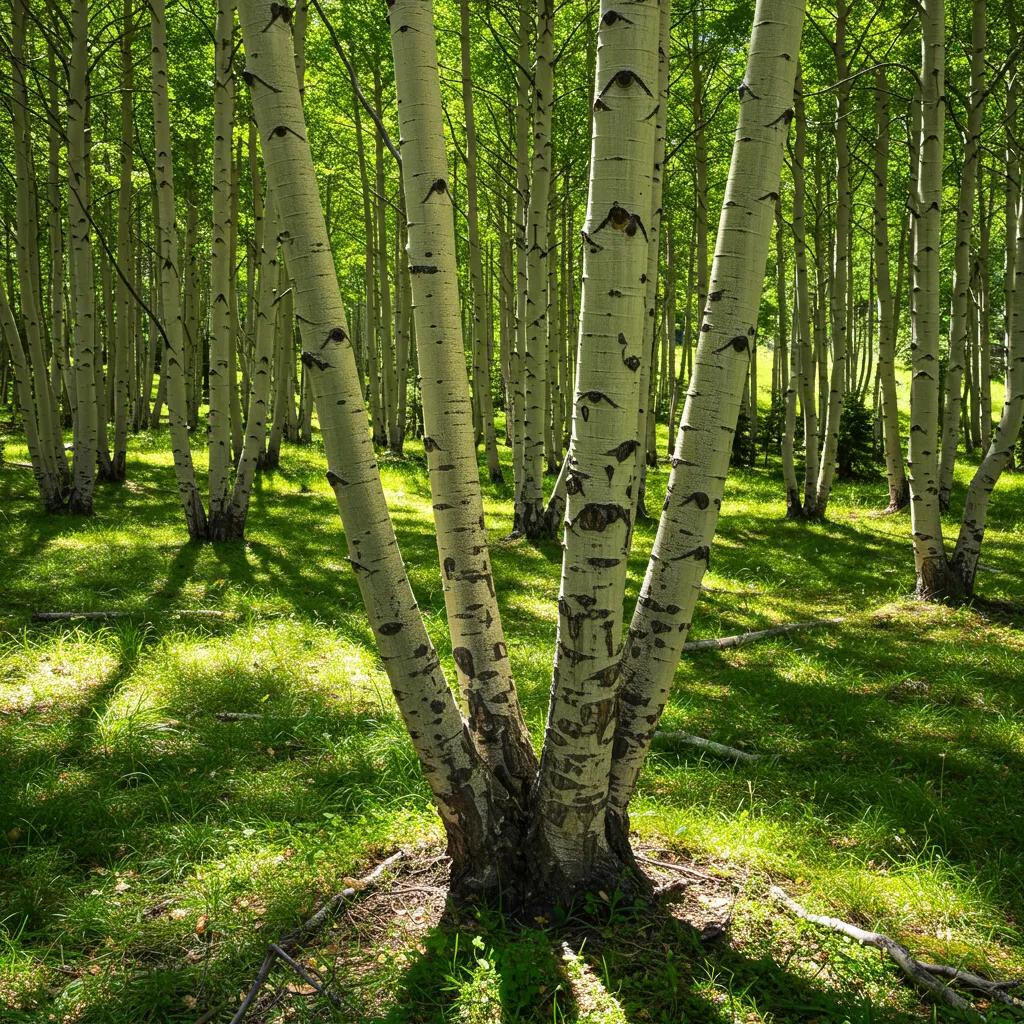
Clonal colonies are groups of genetically identical stems connected by a single root system, allowing them to live far longer than any individual trunk. This biological marvel ensures collective resilience, as new trunks emerge to replace older ones, offering profound insights into the power of regenerative persistence.
What is Pando and Why is it Considered the Heaviest and Oldest Organism?
Pando, a quaking aspen (Populus tremuloides) colony in Utah, covers 106 acres and is estimated to weigh around 6,000 tons. Genetic testing and growth ring estimations suggest its age is approximately 80,000 years. Its interconnected root system supports continuous regeneration after disturbances, showcasing plant longevity on a grand scale.
How Has the Jurupa Oak Survived for Centuries in California?
The Jurupa Oak grove in Riverside County is composed of coast live oaks (Quercus agrifolia) that reproduce through root suckers. These oaks are remarkably adapted to drought and fire, resprouting vigorously even after their above-ground stems are damaged. This regenerative ability fosters incredible resilience, demonstrating how clonal reproduction underpins centuries of persistence in Mediterranean climates.
The Jurupa Oak grove stands as a remarkable example of a clonal organism that has endured for an extraordinary length of time.
Pleistocene Palmer’s Oak Clone: A 13,000-Year-Old Relic
The distribution of Palmer’s oak (Quercus palmeriEngelm.) includes numerous isolated populations that are presumably relicts of a formerly larger range that has contracted due to spreading aridity following the end of the Pleistocene.Principal FindingsWe investigated a recently discovered disjunct population of Palmer’s oak in the Jurupa Mountains of Riverside County, California. Patterns of allozyme polymorphism, morphological homogeneity, widespread fruit abortion, and evidence of fire resprouting all strongly support the hypothesis that the population is a single clone. The size of the clone and estimates of annual growth from multiple populations lead us to conclude that the clone is in excess of 13,000 years old.ConclusionsThe ancient age of the clone implies it originated during the Pleistocene and is a relict of a vanished vegetation community. Range contraction after climate change best explains the modern disjunct distribution ofQ. palmeriand perhaps other pl
A Pleistocene clone of Palmer’s oak persisting in southern California, MR May, 2009
- Pando’s uniform genetics allow for rapid recovery and consistent responses to stress.
- Jurupa Oak’s ability to sprout from its roots regenerates trunks after fires or droughts.
- Clonal colonies demonstrate remarkable longevity by sharing resources through their root systems.
By studying both individual ancient trees and vast clonal networks, we gain a comprehensive understanding of arboreal survival before exploring their profound spiritual and cultural significance.
What is the Cultural and Spiritual Significance of Sacred Trees Worldwide?
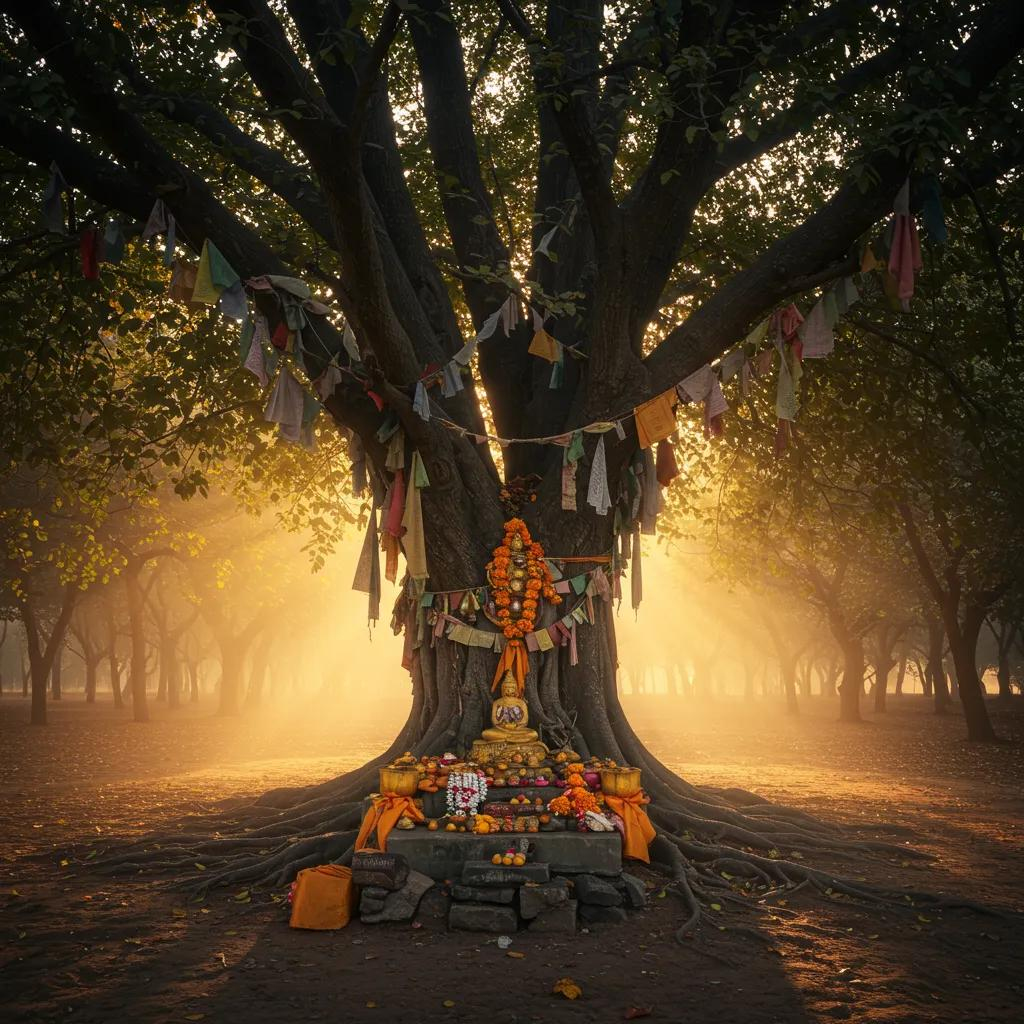
Sacred trees serve as anchors for mythologies and religious traditions, embodying cosmic connections, profound wisdom, and the very cycles of life. Across different continents, certain trees become living sanctuaries, symbolizing humanity’s deepest aspirations and values.
Why is the Bodhi Tree Central to Buddhism and Enlightenment?
The Bodhi Tree (Ficus religiosa) in Bodh Gaya, India, is revered as the site where Siddhartha Gautama achieved enlightenment around 2,500 years ago. Its lineage of sacred fig trees inspires pilgrimages, meditation, and sacred rituals. Devotees view this tree as a direct link to Buddha’s awakening and the universal pursuit of wisdom.
What Does Yggdrasil Represent in Norse Mythology?
Yggdrasil is the legendary ash tree at the heart of Norse cosmology, its branches and roots connecting nine distinct worlds. As a world tree, it symbolizes the intricate interconnectedness of all life, resilience in the face of chaos, and the eternal cycle of death and rebirth. Viking sagas often reference Yggdrasil to explain natural phenomena and convey moral principles.
How Does the Olive Tree of Vouves Symbolize Peace and Longevity in Greek Culture?
Located in Crete, the Olive Tree of Vouves (Olea europaea) is over 3,000 years old and still bears fruit. Olive branches have long been symbols of peace, victory, and prosperity in ancient Greek art and continue to be used in modern ceremonies. Its consistent fruit production reinforces the olive tree’s association with sustainable agriculture and enduring cultural continuity.
What is the Importance of Sacred Groves and Mythical Trees in Global Folklore?
Sacred groves, found in Celtic, Hindu, and African traditions, are consecrated forest areas that preserve biodiversity and community heritage. Mythical trees, such as the Slavic World Tree or the Yoruba Iroko, often play protective and judicial roles. These living sanctuaries beautifully illustrate how trees become guardians of folklore and champions of environmental stewardship.
These deep spiritual connections naturally lead us to explore living cultural landscapes where tea forests beautifully reflect tree heritage and sustainable practices.
How Does the Jingmai Mountain Cultural Landscape Showcase Tree-Related Heritage and Sustainable Practices?
The Jingmai Mountain tea forests in Yunnan, China, represent a thousand years of harmonious cultivation by the Blang and Dai peoples. This remarkable landscape was recognized by UNESCO in 2023 for its unique integration of ancient tea forests, ethnic heritage, and ecological balance.
Who Are the Blang and Dai Peoples and What is Their Role in Ancient Tea Cultivation?
The Blang and Dai ethnic minorities developed sophisticated understorey tea systems within laurel forests, nurturing Camellia sinensis with minimal environmental impact. Their ancestral worship rituals connected to tea further strengthened their cultural ties to tree stewardship and the preservation of biodiversity across generations.
Why is Jingmai Mountain Recognized as a UNESCO World Heritage Site?
UNESCO designated the Jingmai Mountain Cultural Landscape of Old Tea Forests for its outstanding example of sustainable agroforestry, which effectively maintains forest cover, soil health, and cherished cultural traditions. This prestigious recognition highlights the global value of blending tree heritage with the livelihoods of local communities.
How Does Jingmai Mountain Illustrate Sustainable Land-Use and Tree Stewardship?
The practice of understorey tea cultivation promotes shade-grown methods, which significantly reduce soil erosion and provide vital habitats for wildlife. Communal forest governance, managed by local clans, ensures fair resource allocation and the transmission of knowledge between generations. This model offers valuable insights for modern arboricultural practices by demonstrating the powerful synergy between cultural values and ecological resilience.
From ancient groves to vibrant living landscapes, the symbolism of trees resonates across cultures and inspires dedicated conservation efforts at the local level.
What Symbolism Do Ancient Trees Hold Regarding Wisdom, Resilience, and Heritage?
Ancient trees carry profound, layered meanings that shape how humans perceive time, identity, and strength. Revered for their incredible endurance, they serve as anchors for collective memory and inspire a deep sense of stewardship.
How Do Ancient Trees Represent Wisdom and Humanity's Connection to Nature?
The slow, deliberate growth of old trees and the patterns within their rings hold invaluable records of environmental history and offer profound lessons on adaptation. Their steadfast presence encourages contemplation of our relationship with nature, fostering deep respect for life’s cycles. By studying these ring sequences, researchers can uncover insights into past climates and reinforce our ecological awareness.
Why Are Trees Seen as Living Links to Ancestry and Local Heritage?
Heritage trees often stand as silent witnesses to significant historical events or serve as gathering places for community celebrations, acting as natural monuments. Generations have convened beneath their venerable canopies for important ceremonies, forging a connection between lineage and living heritage. This enduring symbolism guides crucial efforts to protect local landmarks and sustain our communal identity.
These symbolic connections beautifully set the stage for applying timeless lessons to the vital task of preserving today’s trees within our own communities.
Why is Preserving Ancient and Heritage Trees Crucial for Local Communities?
Protecting heritage trees is essential for maintaining vital ecosystem services, preserving cultural identity, and enhancing property value. Understanding the factors that have allowed global giants to flourish provides a roadmap for developing proactive care strategies for local specimens facing the pressures of urban development and environmental change.
How Does Tree Longevity Inform Modern Tree Care Practices?
The remarkable longevity of ancient trees teaches us that gradual growth, careful site selection, and effective stress mitigation are key to long life spans. Modern arboricultural consulting applies these very principles through techniques like soil aeration, precise pruning, and vigilant disease monitoring. By emulating the natural patterns of regeneration, professionals can significantly improve the structural integrity and resilience of trees in urban settings.
What Are the Benefits of Heritage Tree Preservation for Ecosystems and Property Value?
Heritage trees significantly boost biodiversity by providing essential habitats for fungi, insects, and various wildlife, all while sequestering carbon over centuries. Their mature canopies help moderate local microclimates, leading to reduced heating and cooling costs. Properties featuring protected landmark trees often experience enhanced aesthetic appeal and increased market value, reflecting a community’s commitment to its natural heritage.
How Can Henry’s Tree Service Help Protect and Maintain Local Heritage Trees?
Henry’s Tree Service excels in heritage tree preservation, offering comprehensive arboricultural consulting, expert structural pruning, and thorough health assessments. Our certified arborists leverage extensive knowledge of tree biology and historical significance to create customized care plans. Serving homeowners and property managers throughout Western Massachusetts and Connecticut, we are dedicated to helping sustain these living landmarks for generations to come.
By integrating the profound lessons learned from the world’s oldest trees, Henry’s Tree Service champions tree longevity through expert care and active community involvement.
What Are the Most Common Questions About the Oldest Trees and Their Cultural Importance?
This section addresses key inquiries regarding ancient trees, their significance, and how we determine their age and locations.
What is the Oldest Tree in the World and How is Its Age Determined?
The oldest known individual tree is Methuselah, a Great Basin bristlecone pine that is over 4,850 years old. Scientists determine its age by counting the annual growth rings found in core samples (dendrochronology) and cross-referencing them with other specimens to ensure accuracy.
What Are Some Examples of Sacred Trees in Mythology and Religion?
Notable sacred trees include the Bodhi Tree in Buddhism, Yggdrasil in Norse mythology, the Olive Tree of Vouves in Greek tradition, and the sacred groves of the Druids, as well as temple trees in Hindu traditions. Each serves as a powerful symbol of spiritual significance and community reverence.
How Long Can Trees Live and What Factors Affect Their Longevity?
The lifespan of individual trees can range from decades for fast-growing species to millennia for trees like bristlecone pines and yews. Clonal colonies, on the other hand, can persist for tens of thousands of years. Longevity is influenced by a tree’s genetics, environmental stressors, climate stability, and protection from disturbances.
Where Are the Oldest Trees Located Globally?
Ancient trees are found in remote or protected environments such as California’s White Mountains, Iran’s Abarkooh plateau, Chile’s Patagonian forests, Wales’ churchyards, and the temple grounds of Sri Lanka. Harsh conditions and cultural safeguards often contribute to their survival.
What is the Bodhi Tree and Why is It Sacred?
The Bodhi Tree is a sacred fig (Ficus religiosa) under which Siddhartha Gautama achieved enlightenment in Bodh Gaya. In Buddhist tradition, it symbolizes spiritual awakening, compassion, and the profound interconnectedness of all life.
What Makes Jingmai Mountain Important in Tea Culture and Tree Heritage?
Jingmai Mountain is significant for its ancient tea forests, cultivated using understorey methods by the Blang and Dai peoples for over a thousand years. Recognized as a UNESCO World Heritage site, it stands as a prime example of sustainable tree-based agriculture and the conservation of cultural landscapes.
By exploring these topics, we reinforce the idea that ancient trees profoundly shape our understanding of nature’s resilience and offer invaluable guidance for contemporary tree care. By combining global perspectives with local expertise, we can effectively preserve our living heritage for future generations.
Ancient trees stand as powerful testaments to resilience, wisdom, and culture, weaving together human stories across time and space. Their remarkable survival offers critical lessons in slow growth, environmental adaptation, and the importance of communal stewardship. By applying these timeless principles, professional tree care ensures that our local heritage specimens continue to thrive. Embracing the legacy of the world’s oldest trees inspires a lasting commitment to preserving our arboreal history and natural heritage.