
North Carolina's Native Trees: Your Ultimate Guide to Identification, Care, and Landscaping
Choosing the right native tree can dramatically enhance your yard’s ecological health, visual appeal, and resilience, all while requiring less water and upkeep than non-native options. This guide offers expert insights into identifying North Carolina’s native tree species, explains their vital role in biodiversity and landscaping, and provides best practices for planting and care. You’ll learn to recognize key features of deciduous, evergreen, and smaller ornamental natives, discover top picks for shade, flowering, and drought-tolerant landscapes, and explore regional differences across the Mountains, Piedmont, and Coastal Plain. Finally, practical steps for planting, maintenance, pest management, and professional care will empower homeowners and property managers to create thriving, sustainable landscapes with confidence.
What Are North Carolina's Native Trees and Why Do They Matter?
Native trees in North Carolina are species that have naturally evolved within the state’s soils and climate over thousands of years, forming essential ecological networks and defining the landscape’s character. Their deep root systems help stabilize soil, their canopies provide crucial support for native wildlife, and they typically require fewer resources like irrigation or fertilizers compared to non-native trees. Incorporating these trees into yards and commercial properties boosts biodiversity, lowers long-term costs, and builds resilience against extreme weather, aligning perfectly with sustainable landscaping principles.
What Exactly Defines a Native Tree in North Carolina?
A native tree in North Carolina is one that naturally occurs within the state’s boundaries without human intervention, having adapted over millennia to local conditions. Key criteria include:
- Natural presence in North Carolina ecosystems before European settlement
- Co-evolution with regional wildlife, insects, and soil microorganisms
- Genetic adaptation to NC hardiness zones and typical precipitation patterns
- Historical documentation within state botanical surveys
These defining characteristics ensure that true native trees contribute maximally to ecological stability and habitat functionality.
What Are the Ecological and Landscaping Advantages of Native Trees?
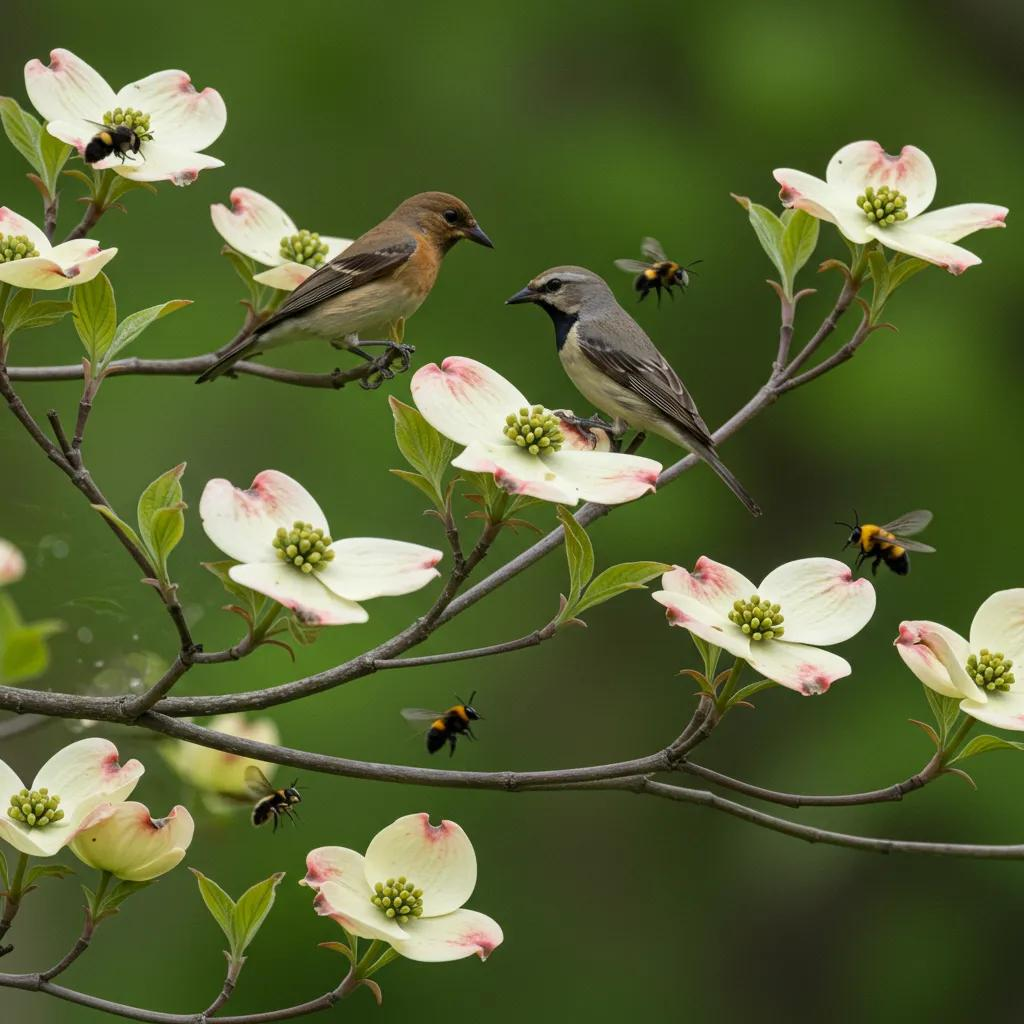
Native trees play a crucial role in ecological balance and enhance landscape performance through various means. They:
- Offer vital food and shelter for birds, pollinators, and beneficial insects
- Improve soil health by fostering mycorrhizal networks and reducing erosion
- Require minimal supplemental watering once they are established
- Provide captivating seasonal interest with spring blooms, summer shade, and fall color
Utilizing indigenous species also enhances property value by creating landscapes that harmonize with the region’s natural character and sustainability objectives.
How Do Native Trees Support Wildlife and Soil Health in North Carolina?
By providing specialized food sources and nesting opportunities, native trees form the foundation of local food webs. Their extensive root systems improve soil structure and water absorption, thereby reducing runoff. Key relationships between native trees, wildlife, and soil health include:
- Eastern Redbud provides essential nectar for early-season pollinators
- White Oak acorns are a vital food source for deer, squirrels, and numerous bird species
- Loblolly Pine needles and bark offer habitat for native lichens and insects
- The robust root systems of trees like Tulip Poplar enhance soil aeration
These intricate interactions strengthen ecosystem resilience and enrich garden biodiversity, guiding intentional species selection.
What Are the Most Common Native Trees You'll Find in North Carolina?
North Carolina’s forests are home to a rich variety of deciduous and evergreen species well-suited to its diverse landscapes. Knowing the most common native trees will help you choose species that thrive locally and support ecological goals. Below is a comparison of standout species by category.
What Are the Key Deciduous Native Trees in North Carolina?
Deciduous natives are known for shedding their leaves seasonally and displaying vibrant fall colors.
| Species | Scientific Name | Key Identification Features |
|---|---|---|
| Eastern Redbud | Cercis canadensis | Distinctive heart-shaped leaves, profuse pink spring blooms |
| Flowering Dogwood | Cornus florida | Opposite leaf arrangement, iconic white bracts in spring |
| White Oak | Quercus alba | Deeply lobed leaves, characteristic light gray, scaly bark |
| Sugar Maple | Acer saccharum | Paired winged seeds (samaras), brilliant orange fall foliage |
These trees offer a beautiful blend of visual appeal and ecological benefits, making them excellent choices for ornamental or canopy roles.
What Are Prominent Evergreen Native Trees in North Carolina?
Evergreen natives provide year-round greenery and continuous habitat for wildlife. Common selections include:
- Loblolly Pine: A tall species with soft needles typically found in clusters of three
- Eastern Hemlock: Features delicate, feathery needles and thrives as an understory species in shady conditions
- American Holly: Known for its glossy, spiny leaves and bright red berries that attract birds
These species maintain landscape structure during winter and support wildlife throughout the year.
Which Small Native Trees Are Suitable for North Carolina Gardens?
Compact native trees are perfect for smaller spaces and patios, offering seasonal beauty without overwhelming the area. Recommended small trees include:
- Serviceberry: Offers early white flowers and edible berries that wildlife enjoy
- Fringe Tree: Features fragrant, white fringe-like blooms and often has a multi-stemmed habit
Their manageable size and attractive ornamental qualities make them ideal for creating focal points in gardens.
How Can You Identify These Native Trees by Their Leaves, Bark, and Flowers?
Accurate identification relies on observing a combination of characteristics:
| Characteristic | Leaf Traits | Bark Traits | Flower Traits |
|---|---|---|---|
| Shape | Variations include lobed, heart-shaped, and ovate forms | Textures range from smooth and exfoliating to deeply furrowed | Can be solitary, in clusters, or feature prominent bracts |
| Arrangement | Can be arranged alternately or oppositely on the stem | Color can vary, with fissures, ridges, or peeling patterns | Bloom timing, color palette, and structure are key indicators |
| Surface | Distinguish between hairy and smooth leaf surfaces | Observe if the bark peels, is fissured, or remains smooth | Note fragrance, presence of nectar guides, and overall form |
What Are the Best Native Trees for North Carolina Yards and Landscaping?
Selecting the ideal native tree depends on your specific landscaping goals—whether you aim for broad shade, ornamental blooms, drought resilience, or suitability for urban environments. Each category below highlights top-performing species.
Which Native Shade Trees Thrive in North Carolina?
Native canopy trees that provide ample shade include:
- Tulip Poplar (Liriodendron tulipifera) for rapid canopy development
- White Oak (Quercus alba) prized for its longevity and beautiful fall color
- American Sycamore (Platanus occidentalis) known for its distinctive exfoliating bark
These selections are excellent for cooling effects, stormwater management, and creating valuable habitat.
What Are the Best Native Flowering Trees for NC Gardens?
Ornamental native trees that add seasonal beauty include:
- Eastern Redbud, which displays lovely pink spring blossoms
- Dogwood, famous for its iconic white or pink bracts appearing in early spring
Incorporating these trees enhances curb appeal and supports vital pollinator activity.
Which Native Trees Are Drought-Tolerant and Low Maintenance?
Species naturally adapted to dry soils perform exceptionally well with minimal irrigation:
- Eastern Redbud thrives on well-drained slopes
- Post Oak (Quercus stellata) is well-suited to sandy, rocky sites
- Black Gum (Nyssa sylvatica) can tolerate fluctuating moisture levels
These choices significantly reduce water consumption and ongoing maintenance efforts.
What Small Native Trees Are Ideal for Urban and Limited Spaces?
Urban-tolerant native trees can handle the challenges of restricted root zones:
- Serviceberry adapts well to containers or tight garden beds
- Dog Hobble (Leucothoe fontanesiana) typically stays under 6 feet tall
- Dwarf Hackberry (Celtis tenuifolia) is a good fit for narrow street-side plantings
Their compact forms and resilience make them excellent choices for urban landscaping projects.
How Do You Identify Native Trees in North Carolina?
Accurate identification is fundamental for successful planting and proper care. Recognizing key morphological clues ensures you select species that match your site conditions and aesthetic preferences.
What Are the Key Leaf Shapes and Arrangements to Recognize?
Leaf morphology offers immediate identification clues:
- Simple versus compound leaves can help distinguish major plant families
- Opposite versus alternate arrangement on the stem helps differentiate maples from oaks
- Lobed versus entire margins separate oaks and hickories from dogwoods
Understanding these patterns significantly speeds up tree recognition in any season.
How Does Bark Texture Help in Tree Identification?
Bark patterns provide distinctive species identifiers:
- Smooth, exfoliating surfaces are characteristic of sycamores
- Deep ridges and furrows are typical of mature oaks
- Scaly, flaky textures are often seen on birches and pines
Observing bark is especially useful during winter when leaves are absent.
What Flower and Fruit Features Distinguish Native Trees?
Seasonal reproductive traits offer clear identification markers:
- Clusters of samaras (winged seeds) on maples appear in spring and summer
- Berry-like drupes on hollies persist through the winter months
- Showy bracts on dogwood trees bloom in early spring
Documenting bloom timing and fruit characteristics refines identification accuracy.
Are There Tools or Resources to Assist with Tree Identification?
Utilizing both digital and print resources can accelerate your learning process:
- Field guides published by state university extensions
- Mobile identification apps that use image recognition
- Workshops at local arboretums and events hosted by botanical societies
Combining on-site observation with expert resources ensures precise species determination.
How Should You Plant and Care for Native Trees in North Carolina?
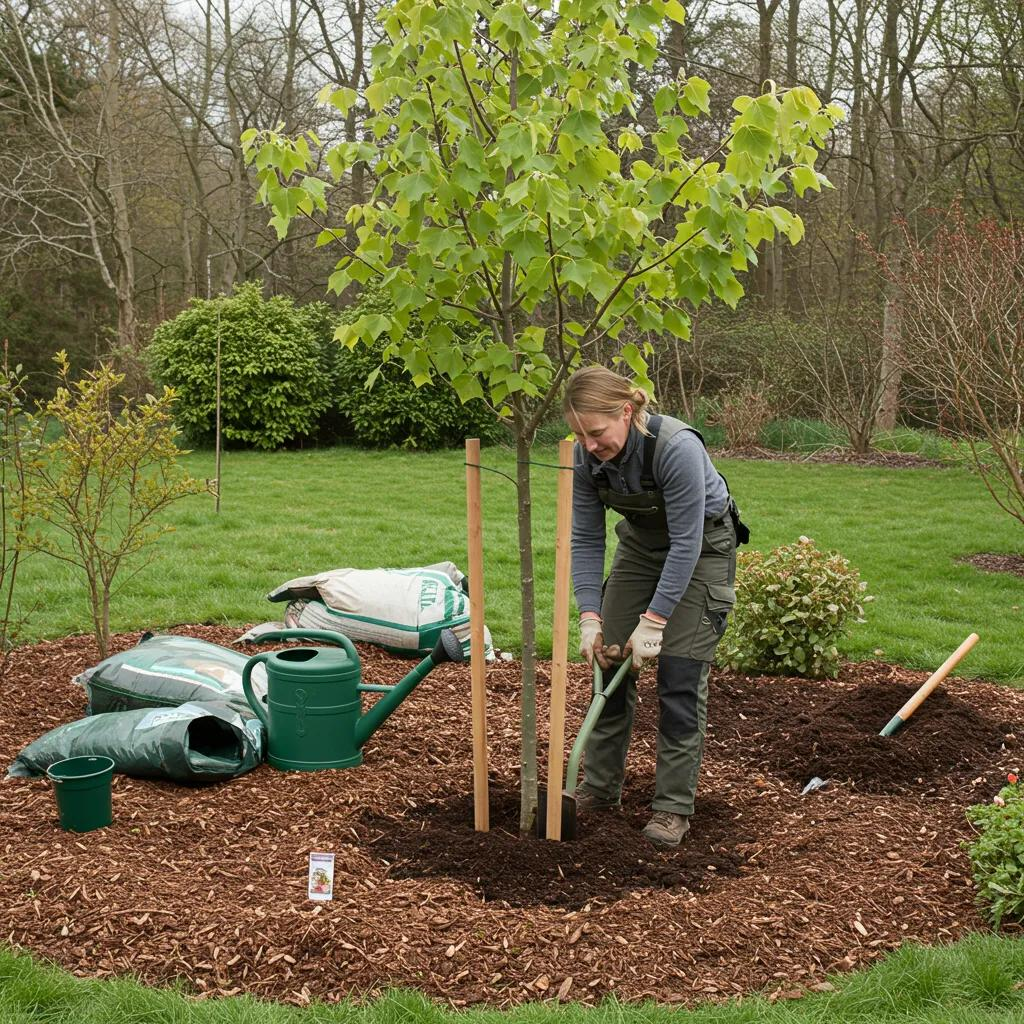
Proper planting and consistent care are essential for maximizing establishment success and ensuring long-term tree health. Paying attention to site preparation, root zone conditioning, and seasonal maintenance will foster vigorous growth.
What Are Proper Planting Techniques for NC Native Trees?
Follow these essential steps when planting:
- Choose a location that matches the tree’s specific light and soil requirements.
- Dig a hole that is twice the width of the root ball but no deeper than its height.
- Gently loosen the soil around the hole to encourage root penetration.
- Position the tree so that the root flare (where the trunk widens at the base) is level with the surrounding ground.
- Backfill with the original native soil, avoiding amendments that can hinder root-to-soil contact.
- Water thoroughly and create a mulch ring, keeping the mulch a few inches away from the trunk.
These practices help roots establish quickly and minimize transplant shock.
How Do You Maintain Tree Health and Promote Growth?
Ongoing care practices include:
- Providing regular deep watering during the first two growing seasons
- Applying a 2–4 inch layer of mulch to conserve moisture and regulate soil temperature
- Pruning dead or crossing branches in late winter
- Monitoring the tree’s growth rate and adjusting any staking as needed
Consistent maintenance strengthens the trunk, develops a well-formed canopy, and ensures long-term vitality.
What Are Common Pests and Diseases Affecting Native Trees?
Many native species are susceptible to threats from insects and fungal pathogens.
| Pest or Disease | Affected Species | Prevention and Management |
|---|---|---|
| Hemlock Woolly Adelgid | Eastern Hemlock | Regularly inspect branches; apply horticultural oils if infestation is detected |
| Anthracnose | Dogwood, Sycamore | Promote good air circulation; remove and dispose of infected leaves |
| Oak Wilt | White Oak, Post Oak | Avoid pruning during the active season; always use sterilized tools |
| Pine Bark Beetles | Loblolly Pine | Maintain tree vigor; promptly remove and destroy infested wood |
When Should You Seek Professional Tree Care Services?
Signs that indicate a need for expert intervention include:
- Visible structural instability or the presence of large dead limbs
- Evidence of root damage or soil heaving around the base
- Persistent pest infestations that don’t respond to home treatments
- Symptoms of disease progression, such as thinning canopy or discoloration
Engaging a certified arborist ensures safe pruning, customized treatments, and long-term tree health planning that aligns with your landscape objectives.
How Do Native Trees Vary Across North Carolina’s Regions?
North Carolina’s three distinct ecological regions—the Mountains, Piedmont, and Coastal Plain—host unique tree communities adapted to varying elevations, soil types, and moisture levels. Understanding these regional differences is key to selecting the right species for your specific site.
What Native Trees Are Found in Western North Carolina (Mountains)?
Mountain landscapes are best suited for species that tolerate cooler temperatures and higher rainfall:
- Fraser Fir, typically found at the highest elevations
- Red Spruce, thriving in moist mountain coves
- Mountain Maple, often found in shaded understory pockets
These trees flourish in rocky soils and provide essential habitat for high-elevation wildlife.
Which Native Trees Thrive in Central North Carolina (Piedmont)?
The rolling hills and clay-rich soils of the Piedmont region support a variety of trees, including:
- Tulip Poplar, often found in well-drained ravines
- White Oak, common on upland slopes
- Eastern Redbud, frequently seen along stream banks
Species selection in this region involves balancing growth rate with adaptability to local soil conditions.
North Carolina Piedmont Tree Germination and Establishment Study
ABSTRACT: Moore, James E.The University of North Carolina at Greensboro ProQuest Dissertations & Theses, 2006. 1437126.
Effects of soil type and soil moisture on the germination and establishment of exotic and native trees of the North Carolina Piedmont, JE Moore, 2006
Research on tree germination and establishment in the Piedmont underscores the critical role of soil type and moisture for the success of native species. This knowledge is invaluable for effective landscaping and conservation initiatives in the region.
What Are Common Native Trees in Eastern North Carolina (Coastal Plain)?
The flat terrain and often sandy, wet soils of the Coastal Plain are home to species such as:
- Bald Cypress, thriving in swampy lowlands and wet areas
- Longleaf Pine, typically found on well-drained sandy knolls
- Red Maple, well-adapted to seasonal wetlands
These trees are adept at handling both saturated conditions and periods of drought common near the coast.
What Are Frequently Asked Questions About Native Trees in North Carolina?
This section addresses common inquiries from homeowners and land managers regarding the integration of native trees into their landscapes.
What Is the State Tree of North Carolina?
The official state tree of North Carolina is the Flowering Dogwood (Cornus florida), recognized for its beautiful spring blossoms and significant ecological contributions. It serves as a symbol of the state’s natural heritage and is often featured in local cultural imagery.
What Are the Fastest Growing Native Trees in North Carolina?
For rapid canopy establishment, consider these fast-growing native trees:
- Tulip Poplar (can grow 2–3 feet per year)
- Willow Oak (Quercus phellos, grows 1.5–2 feet per year)
- River Birch (Betula nigra, grows about 2 feet per year)
Which Native Trees Are Best for Clay or Wet Soils in North Carolina?
Species particularly well-suited to heavier or consistently moist soils include:
- Bald Cypress, which tolerates flooded soils and pond edges
- Red Maple, thriving in both clay and damp environments
- Sweetgum (Liquidambar styraciflua), capable of handling seasonal flooding
How Do Native Trees Compare to Non-Native Species in North Carolina?
Generally, native trees outperform non-native species by requiring fewer resources and providing superior support for local wildlife.
| Comparison Aspect | Native Trees | Non-Native Species |
|---|---|---|
| Water Needs | Lower once established | Often higher, requiring consistent irrigation |
| Wildlife Support | Provide essential food and shelter for native fauna | Offer limited ecological benefits to local wildlife |
| Maintenance Requirements | Minimal pruning and pest control needed | Increased inputs often necessary to manage stress |
| Long-Term Resilience | Naturally adapted to local climate and disease pressures | Can be more vulnerable to site-specific issues |
Creating a thriving, sustainable property with North Carolina’s native trees involves careful species selection, accurate identification, and proper planting and maintenance techniques. Whether you’re establishing a new landscape or enhancing an existing one, following these guidelines will result in vibrant, resilient green spaces that support wildlife and minimize resource use. For expert tree care services—from initial planting to ongoing health assessments—consider consulting certified arborists who utilize proven practices to ensure your trees flourish.